

Design That Lives Well: Making Aesthetic Choices That Last
Choose lasting interior finishes by testing a coordinated sample set against your room, routine and care expectations. Compare colour in the actual light, inspect edges and handles, review product cleaning guidance and ask how repairs would be handled. Approve the identified material and detail together so an attractive sample becomes a clear installation decision.
A finish-selection workflow rather than a whole-home style guide
A comfortable layout and a durable material specification are important foundations. Here the task is narrower: deciding whether a visible finish works for your home before approving it. Start with one surface you are considering, its intended location and the people who use it. A cabinet front near cooking has different cleaning demands from a decorative bedroom panel. Write the purpose first so the choice can be judged against a real use rather than a photograph alone.
1. Build a small coordinated sample set
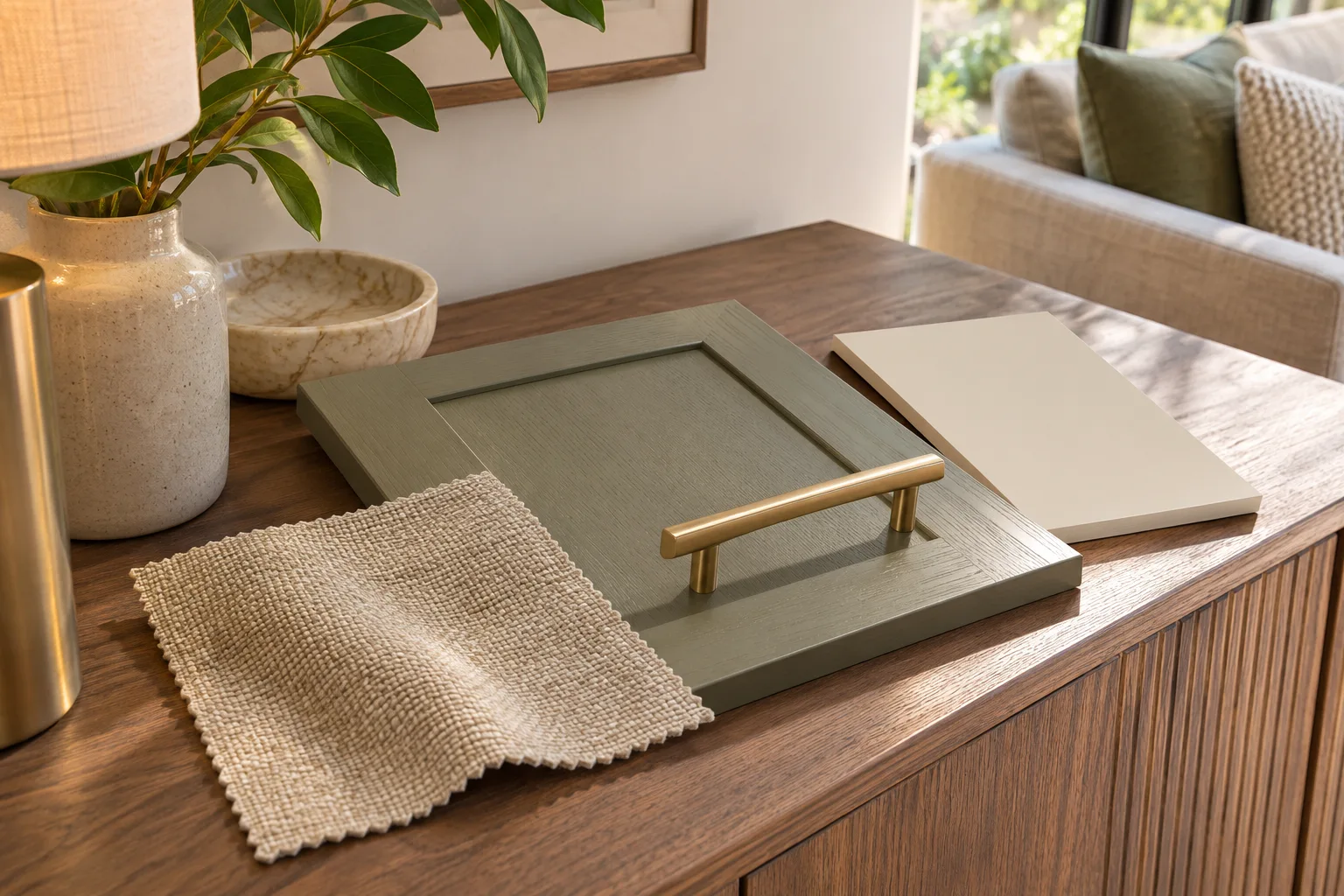
Bring the proposed finish together with the neighbouring floor, paint, fabric and hardware references. Keep the exact manufacturer, product range, code and finish beside each item. Distinguish the visible surface from the board or construction behind it. Several products may share a similar appearance while having different application and care requirements. If the supplier cannot identify the sample, resolve that before approving production. A clear product record makes both installation and later maintenance easier to discuss.
2. View the combination where it will be used
Look at the samples in the room at the times you normally use it and under the intended artificial lighting where possible. Check glare from the actual sitting or standing position rather than only holding a swatch against a window. Assess colour relationships, pattern scale and how much of the finish will appear across the room. A large area can look busier than a small sample. Use a suitable larger reference or agreed mock-up for a visually important decision.
3. Inspect the parts you touch every day
Review the handle, exposed corner, cabinet edge and junction with adjoining materials. Ask how those details will be made and shown in the relevant drawing or mock-up. A broad sample face does not show whether an edge will catch clothing, collect dirt or be easy to repair. Try a product demonstration or approved sample assembly where available. Do not conduct improvised destructive tests on showroom samples or installed work; use product information and agreed demonstrations to evaluate suitability.
4. Read the cleaning method before choosing the surface
Ask for the product’s actual cleaning and care guidance. Check whether the prescribed routine is realistic for your household and the intended location. Do not assume every matte finish hides marks or every textured finish is low maintenance. Texture, colour, lighting and exposure interact. If a cleaner is proposed, confirm compatibility from the product guidance and follow any testing instructions. A finish that needs care you will not maintain is a poor match even if it looks excellent on approval day.
5. Ask a repair question while replacement is still easy
Describe a likely problem for that location: a scratched front, chipped edge, stained surface or failed handle. Ask whether a small component can be replaced, what matching information is needed and whether spare material is available. Discuss the practical implications of natural variation, ageing and later product discontinuation. Do not rely on a promise of an invisible repair. Keep the answer with the selection record so the maintenance implications are part of the original decision.
6. Balance the visual statement across the room
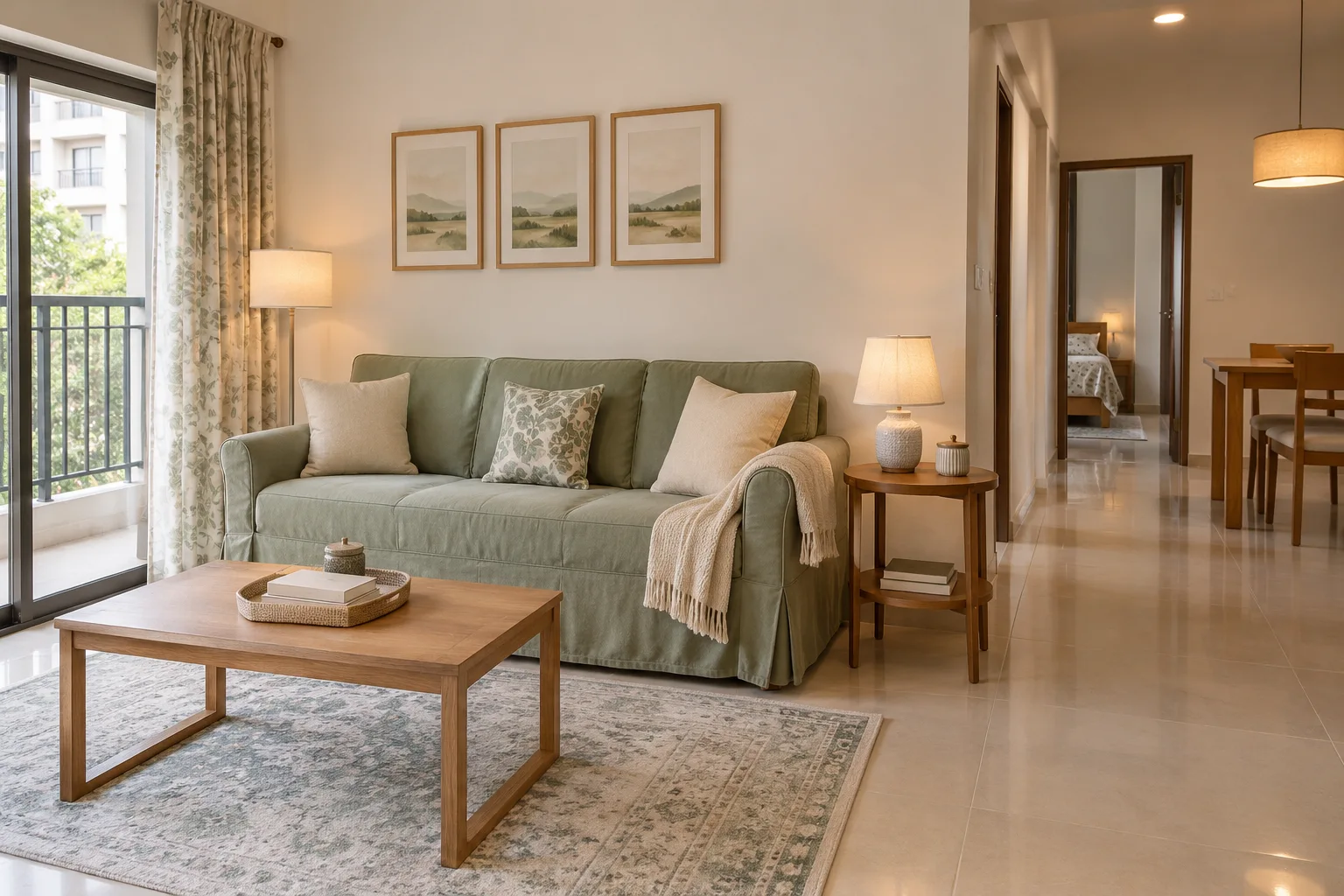
Choose which element carries the strongest pattern, colour or texture, then judge neighbouring finishes against it. There is no rule that all surfaces must be neutral, but multiple competing features can be difficult to assess in isolation. Use a room view or visualization to compare combinations, then return to physical samples for finish identification and detail. A visualisation is useful for exploring relationships; it does not confirm the installed product, material performance or exact colour.
7. Record approval and preserve the reference
Write the room and item, product identification, appearance, edge detail, reference drawing and any agreed variation. Link the selection to the quote so upgrades and substitutions are visible. Mark outstanding questions as pending rather than approving with unclear conditions. Retain an agreed sample or identifying photographs where practical. At handover, compare the installed work with the agreed record and keep the product information in your maintenance folder. This connects the attractive design decision to everyday use after installation.
Quick planning record
| Selection check | Evidence to retain |
|---|---|
| Appearance | Actual product and coordinated room samples |
| Daily handling | Edge, handle and junction reference |
| Care | Product cleaning instructions and routine fit |
| Repair | Replacement process and product identification |
| Approval | Quote, drawing, sample reference and decision date |
Frequently asked questions
How do I know whether a finish is easy to maintain?
Read the actual product care instructions and assess them against the location and your routine. Appearance alone does not establish cleaning effort or suitability.
Can I approve a finish from a rendered image?
Use renders to compare overall combinations, then verify the actual product, sample, lighting response and detail before approval. A rendered colour is not a material specification.
Are textured finishes always better at hiding marks?
No. The result depends on the particular product, texture, colour, lighting and type of marks. Check a representative sample and the product guidance.
What should I keep after choosing the finish?
Keep the product code, range, finish, installed location, approved reference and care instructions, linked to the relevant quote and warranty record.
Related practical guides
- A Home That Lasts: Balancing Style, Strength and Everyday Living
- Material Sample Approval Checklist Before Interior Production
- Your Interior Maintenance Folder: Warranties, Specifications and Service Contacts
Plan the next step with WallsToWonder
Use Design My Room to compare an overall colour direction, then approve the identified physical samples and details with your provider.
Turn this idea into a plan for your home
Visualise your space, understand the likely budget, or find a professional who can bring the idea to life.