
Waterproofing Guide
Waterproofing Guide for Home Renovation
WallsToWonder
December 2, 2025
3 min read
11 views
Waterproofing is one of the most important steps in any home renovation project. Proper waterproofing protects your home from leaks, dampness, wall cracks, fungal growth, and long-term structural damage. Whether you are renovating a bathroom, kitchen, balcony, terrace, or an older home, this guide covers the essential waterproofing methods, best materials, signs of water damage, and expert tips to ensure your home stays safe, durable, and moisture-free in 2025.
1. Why Waterproofing Is Essential in Renovation
Waterproofing protects your home from long-term damage caused by moisture, leaks, and seepage. Ignoring waterproofing during renovation can lead to expensive repairs later.
Major Problems Caused by Poor Waterproofing
- Wall dampness and peeling paint
- Ceiling leakage
- Fungal growth and mold
- Structural weakening
- Bad odour and unhealthy indoor air
2. Signs Your Home Needs Waterproofing
- Yellow or brown patches on walls
- Paint bubbling or flaking
- Cracks near windows or corners
- Wet bathroom walls from the other side
- Damp smell in wardrobes
- Leakage from the ceiling during rain
If you see any of these signs, waterproofing is mandatory before renovation.
3. Waterproofing Areas to Cover During Renovation
Bathroom
- Floor and wall joints
- Shower area
- Toilet base
- Under tiles (tile-on-tile waterproofing)
Kitchen
- Sink area
- Backsplash and countertop joints
- Wet floor zones
Balcony
- Floor slope correction
- Drain outlet sealing
- Tile joints
Terrace / Roof
- Surface cracks
- Water ponding areas
- Expansion joints
Basement (If Applicable)
- Under-slab waterproofing
- Side-wall waterproof coating
4. Top Waterproofing Methods Used in 2025
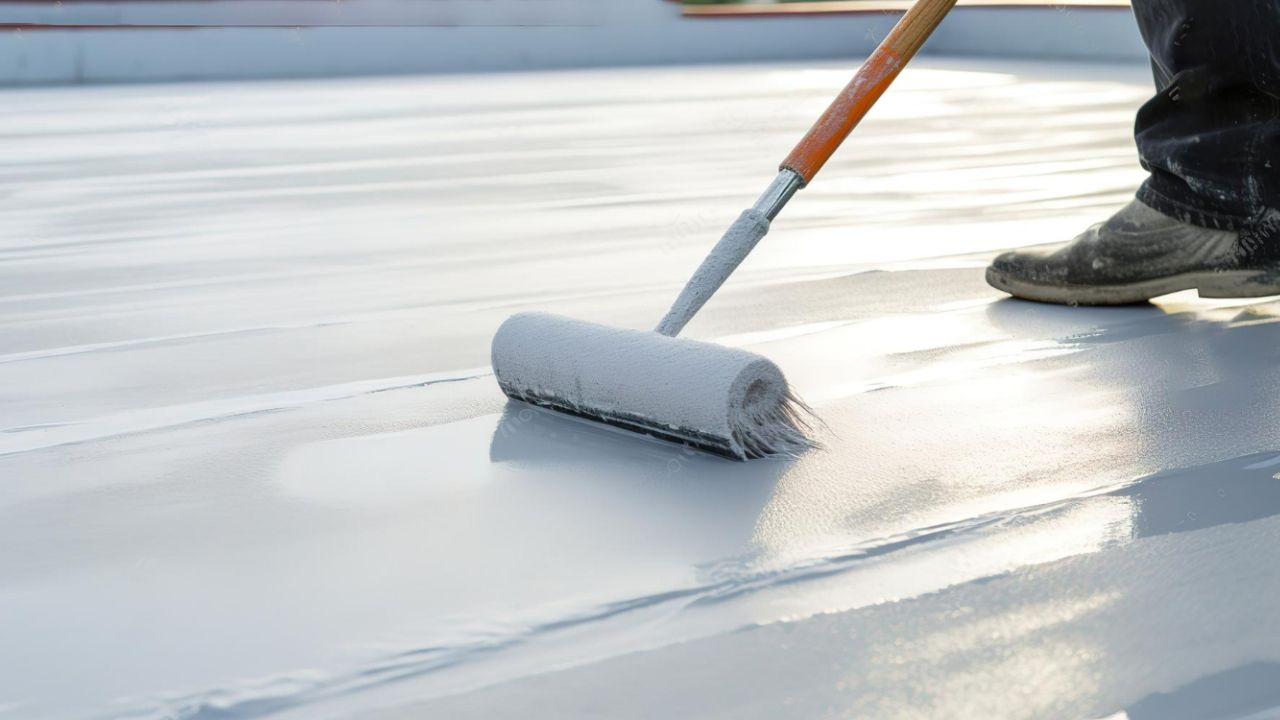
1. Liquid Membrane Waterproofing
- Flexible coating applied with roller or brush
- Best for bathrooms, terraces, balconies
2. Cementitious Waterproofing
- Commonly used in bathrooms & wet areas
- Easy to apply, durable and economical
3. Polyurethane (PU) Coating
- Highly flexible and long-lasting
- Ideal for complex surfaces and roofs
4. Bitumen Membrane
- Used for large terraces and basement waterproofing
- Heat-applied sheets for strong protection
5. Tile-on-Tile Waterproofing
- Used during renovations without removing old tiles
- Suitable for bathrooms and balconies
5. Best Waterproofing Materials for Indian Homes
- Dr. Fixit 301, 302, 601
- Asian Paints SmartCare Damp Proof
- Fosroc Brushbond
- MYK Laticrete Hydro Ban
- STP Bituminous Membranes
Always ensure the contractor uses branded waterproofing materials with warranty.
6. Bathroom Waterproofing During Renovation
Bathroom waterproofing is critical because it is the wettest area of the home.
Steps for Proper Bathroom Waterproofing
- Remove old loose tiles or apply tile-on-tile primer
- Seal all wall-floor joints with waterproof tape
- Apply 2–3 coats of liquid membrane
- Ensure slope towards the drain
- Test by water ponding for 24 hours
Never skip water testing—it prevents future leakage problems.
7. Terrace Waterproofing Solutions
Terrace leakage is one of the most common issues in Indian homes.
Recommended Methods
- PU coating for maximum flexibility
- Acrylic liquid membrane
- Bitumen membrane sheet
- Cementitious slurry for minor cracks
Surface cracks must be filled before coating to ensure long-term protection.
8. Tips to Avoid Waterproofing Failures
- Ensure surface is clean and dry before application
- Do not dilute waterproofing chemicals
- Apply minimum 2–3 coats as recommended
- Allow proper curing time
- Never skip joint sealing
- Always test waterproofing before tiling
Tags
#waterproofing guide#home renovation waterproofing#bathroom waterproofing#terrace waterproofing#leakage solutions