
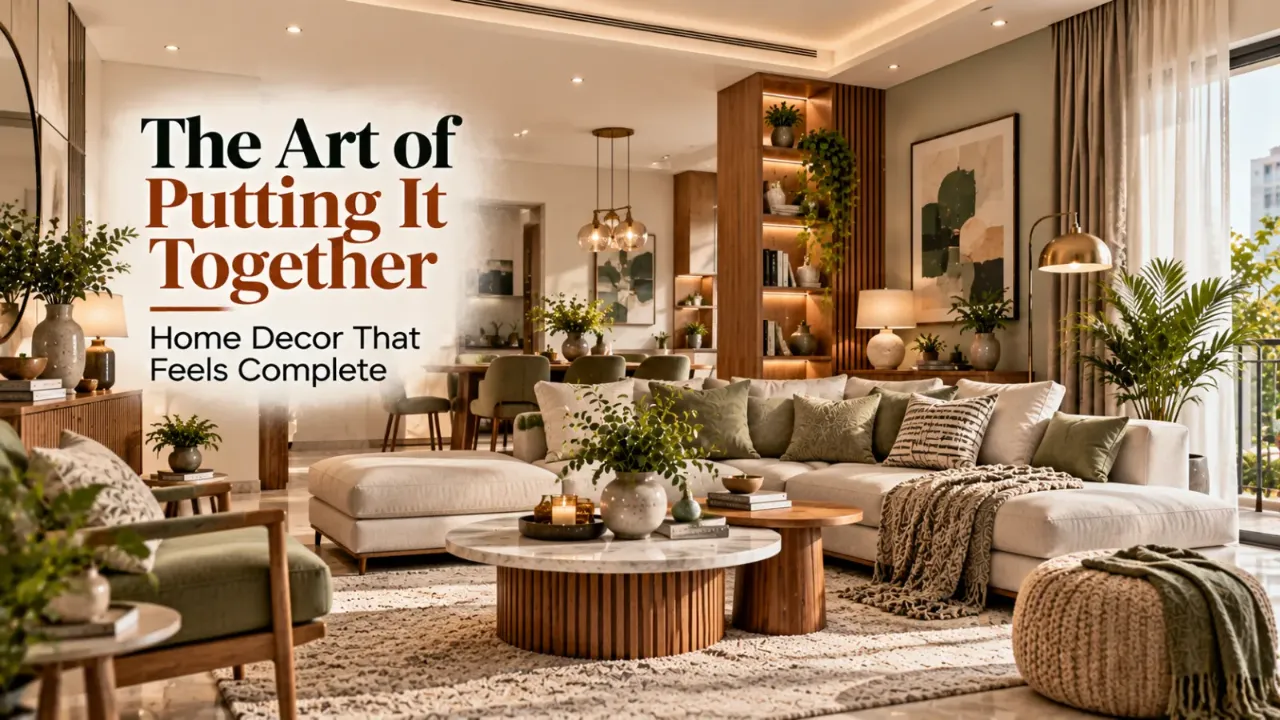
The Art of Putting It Together: Home Decor That Feels Complete
A well-decorated home is not simply a collection of beautiful furniture, attractive accessories and carefully chosen colours. It is a space where every element feels connected. The colours complement one another, the furniture suits the room, lighting creates the right atmosphere, and accessories add personality without making the space feel crowded. The secret to successful home decoration ideas is knowing what to combine, what to highlight and what to leave out.
Whether you are decorating a new apartment or refreshing a familiar room, you do not need to replace everything to achieve a cohesive result. A few thoughtful decisions about colour, proportion, texture, lighting and placement can make the entire space feel more considered.
1. Begin With a Clear Colour Story
Colour is one of the easiest ways to create a connection between different elements in a room. When the walls, furniture, curtains and accessories work within a coordinated palette, the space feels intentional rather than assembled piece by piece.
Start with a base colour for larger surfaces, such as walls, flooring or major furniture. Then introduce one or two supporting shades and use smaller accents to add contrast. For example, ivory walls, natural oak furniture, muted sage textiles and charcoal details can create a contemporary interior that feels balanced without appearing monotonous.
Not every item needs to match exactly. Different shades of the same colour can add depth, while a contrasting accent can make the arrangement more interesting. The aim is to create a relationship between colours rather than repeat one shade everywhere.
- Base colours: Use versatile shades across larger surfaces to establish the overall mood.
- Supporting colours: Repeat two or three complementary tones through upholstery, curtains or rugs.
- Accent colours: Add smaller, deliberate touches through artwork, cushions, lamps or decorative objects.
Practical tip: Before buying accessories, collect fabric samples, paint references and furniture finishes together. View them in the room's natural and artificial lighting to check whether the colours work as a group.
2. Choose Furniture That Fits the Space
Beautiful furniture can still make a room feel uncomfortable if its scale is wrong. An oversized sofa may dominate a compact living room, while furniture that is too small can leave a large room feeling disconnected. Consider the room's dimensions, circulation paths and everyday activities before selecting individual pieces.
Begin with the largest furniture item, such as a sofa, bed or dining table. Use it to establish the layout, then select supporting pieces that suit its scale and style. Keep enough space for people to move around comfortably, open drawers and doors, and access frequently used areas.
Furniture does not have to come from the same collection. A contemporary sofa can work with a traditional wooden coffee table when their proportions, finishes or colours provide a visual connection. Repeating a material or finish in a few places can help different pieces feel like part of the same design.
If you are unsure how different furniture arrangements might look, try the Walls to Wonder Design My Room tool to explore room concepts before committing to major changes.
3. Combine Textures for Depth
A room decorated entirely in smooth, similar materials can feel flat, even when the colours are well coordinated. Texture adds depth and makes a space feel more layered without requiring additional colours or decorative objects.
Combine contrasting surfaces thoughtfully. A linen curtain can soften the appearance of a wooden cabinet, a woven rug can balance a sleek coffee table, and a ceramic vase can introduce a handcrafted detail. Upholstery, timber, glass, metal and natural fibres each contribute a different visual quality.
- Pair smooth furniture finishes with tactile fabrics.
- Combine natural wood with glass or restrained metal details.
- Use rugs, cushions and curtains to introduce softness.
- Repeat selected textures in different parts of the room for continuity.
Balance is important. Too many competing patterns and finishes can make a room feel busy. Choose a few dominant materials, then introduce contrasting textures in smaller quantities.
4. Use Lighting to Shape the Mood
Lighting affects how colours appear, how materials are perceived and how comfortable a room feels at different times of day. A single overhead light may provide general illumination, but it rarely creates enough variation for every activity.
Think of lighting in three layers. Ambient lighting provides overall illumination, task lighting supports activities such as reading or cooking, and accent lighting draws attention to artwork, architectural details or decorative objects.
For a living room, this might mean combining ceiling lights with a floor lamp beside the sofa and a small lamp on a console. In a bedroom, bedside lights can provide a more comfortable alternative to bright overhead lighting in the evening.
Choose fixtures that complement the room's other finishes. Brass details may connect with warm-toned hardware, while black or brushed-steel fixtures can reinforce a more contemporary scheme. Consider light output and colour temperature alongside appearance, and make sure task areas receive adequate illumination.
5. Connect Curtains, Rugs and Soft Furnishings
Soft furnishings help tie the room together because they occupy different areas while sharing colours, patterns or textures. Curtains frame the windows, rugs define zones, and cushions or throws introduce smaller accents.
Instead of matching every fabric, create subtle repetition. A cushion might pick up the colour of a rug, while a curtain texture complements the upholstery. Artwork can introduce an accent colour that appears again in one or two accessories.
Scale also matters. A rug that is too small may make the furniture arrangement look disconnected. Curtains that end awkwardly or appear too narrow can interrupt the room's proportions. Measure carefully and consider the full furniture arrangement before making a purchase.
6. Make Artwork and Accessories Count
Decorative objects should express personality while supporting the overall design. Artwork, mirrors, books, ceramics, plants and collected objects can make a home feel individual, but filling every available surface can weaken their impact.
Choose a few meaningful pieces and give them enough room to stand out. Group objects in varied heights, balance decorative arrangements with open space, and consider how each item relates to the furniture or wall behind it.
- Use artwork to introduce colour, character or a focal point.
- Place mirrors where they can reflect useful light or visually open up the room.
- Group smaller objects on trays or shelves instead of spreading them across every surface.
- Include plants where natural light and maintenance conditions are suitable.
- Leave some surfaces clear so the room does not feel overcrowded.
A useful rule is to edit before adding more. Remove objects that compete with one another, then assess whether the remaining arrangement needs anything else.
7. Keep Storage Part of the Design
Even a carefully decorated room can lose its appeal when everyday items have no convenient place to go. Storage should be planned around actual routines, including where you keep keys, books, chargers, remote controls, cleaning supplies and frequently used household items.
Closed cabinets can conceal visual clutter, while open shelves are useful for displaying a smaller selection of attractive or meaningful objects. Baskets, storage ottomans and console drawers can also help keep frequently used items accessible without leaving them scattered around the room.
Before investing in storage furniture, consider the room's available space, the items that need to be stored and how often you use them. For a wider view of your home's layout and design direction, explore the Walls to Wonder Whole Home Visualizer. It can help you explore a coordinated concept across multiple rooms before making design decisions.
8. Plan Your Budget Before Finalising Details
Creating a cohesive home does not mean buying everything at once. A planned budget helps you prioritise the elements that have the greatest impact, such as essential furniture, lighting, storage and durable finishes, before spending on decorative extras.
Divide your budget into broad categories, allowing for furniture, furnishings, lighting, accessories, installation and a contingency for unexpected expenses. Compare quality, maintenance requirements and dimensions instead of choosing items based on appearance or price alone.
If you are furnishing or updating several rooms, the Walls to Wonder Interior Design Cost Estimate tool can help you explore an indicative budget based on your home and selected scope of work. Treat estimates as planning guidance, not as a final contractor quotation.
Before approving an interior quotation, review the listed materials, quantities, work scope, payment milestones and exclusions. The Walls to Wonder Interior Quotation Checker can help you identify missing details and questions to clarify before you commit.
9. Edit the Room Before You Call It Complete
Once the main furniture, lighting and accessories are in place, take a step back and assess the room as a whole. Look at it from the entrance and from the places where you spend the most time. Notice whether one area feels too heavy, whether the focal point is clear and whether there is enough open space to move comfortably.
Remove objects that do not contribute to the room's function or atmosphere. Adjust the placement of artwork, balance the height of decorative pieces and check whether the colours and textures repeat naturally throughout the space.
Live with the arrangement for a few days before making additional purchases. You may discover that moving a lamp, changing the position of a rug or removing a few accessories makes a bigger difference than buying something new.
The Final Thought
A cohesive home comes from thoughtful relationships between its elements, not from matching every item or following every trend. A clear colour palette, appropriately scaled furniture, varied textures, layered lighting, considered accessories and practical storage can work together to create a space that feels complete.
Start with the essentials, make decisions around how you actually use your home, and add decorative details with intention. When every element has a purpose and contributes to the overall atmosphere, your home can feel polished, comfortable and distinctly yours.
Frequently Asked Questions
How do I make my home decor look cohesive?
Start with a consistent colour palette, choose furniture that suits the room's proportions, repeat selected materials or textures, and coordinate lighting and accessories. Leave enough open space to prevent visual clutter.
How many colours should I use when decorating a room?
There is no fixed number, but a base colour, two supporting shades and a small accent colour can be a useful starting point. Adjust the palette to suit the room's size, lighting and existing finishes.
Can different furniture styles work together?
Yes. Different furniture styles can work together when their scale, colour, materials or shapes create a visual connection. Repeating a finish or colour in a few places can help the arrangement feel intentional.
How can I decorate without making a small room feel cluttered?
Prioritise appropriately sized furniture, use storage that fits your needs, limit the number of decorative objects and keep circulation paths clear. Mirrors and layered lighting can also help the room feel more open.
Should I buy furniture and accessories at the same time?
Not necessarily. Begin with essential furniture and the main colour palette, then add rugs, lighting, artwork and accessories gradually. This gives you time to assess the room before making further purchases.
Turn this idea into a plan for your home
Visualise your space, understand the likely budget, or find a professional who can bring the idea to life.