
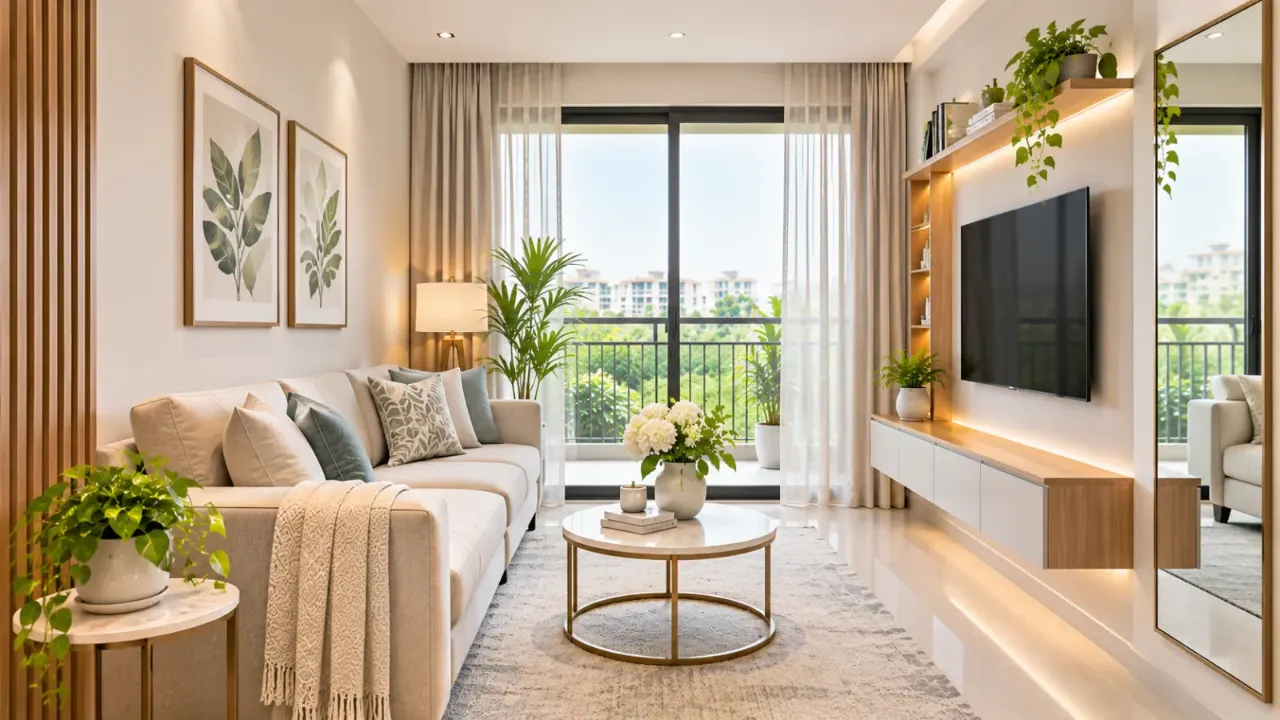
Small Living Room Design: Make a Compact Space Feel More Open
A small living room can be comfortable, attractive and functional without feeling cramped. The difference often comes down to how the available space is planned. Oversized furniture, blocked walkways, too many decorative objects and poorly positioned lighting can make even a well-furnished room feel smaller than it is.
The goal is not to remove everything or make the room look empty. It is to create a layout where furniture fits comfortably, natural light can travel through the space and the eye can move easily from one part of the room to another.
Here are practical ways to make a compact living room feel more open while keeping it useful for everyday life.
1. Choose Furniture That Fits the Room
Furniture size has a direct effect on how spacious a living room feels. A large sectional sofa may look appealing in a showroom, but it can dominate a compact apartment living room and leave little room for movement.
Before purchasing furniture, measure the room and consider the space required around each piece.
- Choose a sofa with a depth and width that suit the room.
- Consider a compact two- or three-seater instead of an oversized sectional.
- Select chairs with open legs or visually lighter frames.
- Avoid bulky armrests if they take up unnecessary space.
- Check the furniture dimensions against your floor plan before buying.
The aim is to maintain comfortable seating without allowing one piece of furniture to dominate the entire room.
2. Keep the Main Sightlines Open
A room feels more open when the eye can move across it without repeatedly encountering visual obstacles. Tall furniture, bulky partitions and objects placed directly in front of windows can interrupt this visual flow.
Try to preserve clear views from the entrance towards the brighter or more open parts of the room.
- Avoid placing tall cabinets directly beside the main entrance.
- Keep window areas as unobstructed as possible.
- Use low-profile furniture where practical.
- Choose open shelving instead of solid partitions when separation is necessary.
- Avoid arranging too many decorative objects along the same sightline.
Even small changes in furniture position can make the room feel less enclosed.
3. Create Clear Walking Paths
A living room should allow people to move comfortably between the entrance, sofa, balcony, dining area and other adjoining spaces.
When furniture is placed without considering movement, the room can feel congested even if it contains very few pieces.
Plan the main walking route before deciding where the sofa, coffee table and accent chairs should go. Where the layout permits, aim for a main passage of approximately 90 cm. Actual clearance will depend on the room, furniture and accessibility needs.
- Keep frequently used routes free from furniture.
- Avoid placing a coffee table too close to the sofa.
- Do not let side tables obstruct doorways.
- Make sure balcony and window access remains convenient.
- Leave enough room to pull out chairs and use storage.
4. Use Light Colours Without Making the Room Look Flat
Light colours can help a compact living room feel brighter, particularly when the room receives limited natural light. However, using only white everywhere is not necessary.
A coordinated palette of two or three main tones can create a calm appearance while still giving the room character.
Consider combinations such as:
- Ivory, light oak and muted sage.
- Soft greige, warm white and natural wood.
- Pale stone, muted olive and brushed brass.
- Light grey, off-white and restrained charcoal accents.
Use stronger colours selectively through cushions, artwork, rugs or a single accent chair. Keeping larger surfaces relatively light can help the room feel visually balanced.
5. Use Mirrors to Extend the Visual Space
Mirrors can make a small living room feel more open by reflecting daylight and extending the visual field. But placement matters more than simply choosing a large mirror.
Position a mirror where it reflects a window, a bright area or an attractive part of the room.
- A mirror near a window can reflect available daylight.
- A large mirror on a suitable wall can create a greater sense of depth.
- A mirror above a console can combine decoration with practical use.
- Avoid reflecting clutter, an unattractive wall or a busy storage area.
A mirror does not add physical floor space. It changes what the eye sees, so choose the reflection carefully.
6. Make Storage Part of the Design
Visible clutter can make a compact living room feel crowded. Instead of adding more cabinets wherever space is available, plan storage around the things you actually use.
Useful options include:
- Floating TV units that leave more visible floor area.
- Closed cabinets for everyday items.
- Storage ottomans for throws, cushions and magazines.
- Built-in shelves that use otherwise unused wall space.
- Slim consoles that do not obstruct circulation.
- Vertical storage for items that need to remain accessible.
Keep frequently used items easy to reach and reserve closed storage for objects that do not need to stay on display.
7. Choose Furniture That Serves More Than One Purpose
Multifunctional furniture can reduce the number of separate pieces required in a small living room.
For example, a storage ottoman can work as a footrest, occasional seat and storage unit. A nesting table can provide extra surface space when guests arrive and be tucked away afterwards.
Other useful options include:
- A coffee table with built-in storage.
- A compact sofa bed for occasional guests.
- Nesting side tables.
- A bench with hidden storage.
- A wall-mounted foldable table where appropriate.
Choose multifunctional furniture based on your actual routine. A feature that is rarely used may not justify the space or cost it occupies.
8. Use Lighting to Create a Brighter, More Open Feel
A single ceiling light may not illuminate every part of a compact living room evenly. Dark corners can make the space feel visually smaller.
A layered lighting plan helps distribute light more effectively.
- Use general ceiling lighting for overall illumination.
- Add floor or table lamps for softer local lighting.
- Use wall lights or selected accent lighting to highlight features.
- Keep window areas clear to maximise daylight.
- Choose suitable curtains that allow natural light into the room.
Avoid excessive decorative lighting or too many fixtures in a small ceiling area. A simple, well-planned arrangement is often more effective.
9. Select Curtains and Window Treatments Carefully
Heavy curtains can visually dominate a small living room, especially when they cover a large portion of the wall.
Choose window treatments that complement the room and allow daylight to enter.
- Consider light-filtering curtains where privacy requirements allow.
- Hang curtains high enough to create a sense of vertical height, provided the installation suits the window.
- Use simple patterns or plain fabrics in compact rooms.
- Avoid overly bulky pelmets and layered treatments where they make the window feel crowded.
If privacy is important, combine sheer curtains with a practical secondary window treatment.
10. Use Rugs and Decor to Define the Space
A rug can visually anchor the seating arrangement and make the living room feel more organised. The right size is important: a rug that is too small can make the furniture grouping look disconnected.
Select a rug that relates to the seating arrangement and leaves a sensible border of visible flooring where possible.
For accessories, be selective rather than filling every surface.
- Choose a few meaningful decorative objects.
- Use one larger artwork instead of many small pieces competing for attention.
- Keep the coffee table relatively clear.
- Introduce plants without blocking walking paths.
- Coordinate cushions and throws rather than using too many unrelated patterns.
11. Avoid These Common Small Living Room Design Mistakes
Some choices make a compact living room feel crowded even when the room has been furnished carefully.
- Buying furniture before measuring the room.
- Choosing a sectional that leaves insufficient walking space.
- Blocking windows with tall storage.
- Using too many different colours and patterns.
- Filling every wall with shelves and decorative panels.
- Choosing rugs that are too small for the seating arrangement.
- Relying on one ceiling light.
- Adding storage without considering how doors and drawers open.
- Using mirrors that reflect clutter.
- Pushing every furniture piece against the wall without testing alternative layouts.
12. Plan the Room Before Buying Anything
A simple planning process can prevent unnecessary purchases and help you use the available space more effectively.
- Measure the room, including doors, windows and fixed architectural elements.
- Mark the main walking paths and access points.
- Decide how many people need regular seating.
- Select furniture that fits the measurements.
- Identify storage needs before choosing cabinets.
- Plan lighting and window treatments.
- Choose a coordinated colour palette.
- Add rugs, artwork and accessories only after the main layout works.
Final Thoughts
Making a small living room feel more open is not about removing every piece of furniture or choosing an all-white interior. It is about making thoughtful decisions that improve movement, light and visual balance.
Choose appropriately sized furniture, maintain clear sightlines, use storage intelligently and avoid unnecessary decoration. When these elements work together, even a compact living room can feel comfortable, organised and welcoming.
Before making purchases, take measurements and test your layout. A little planning can help you avoid expensive changes and make better use of every available corner.
Plan Your Living Room with Walls to Wonder AI Tools
Planning a compact living room? Explore Walls to Wonder's AI tools to visualise room ideas, consider different interior styles, estimate costs and review design decisions before execution.
1. Design My Room
Upload a photo of your living room and explore different interior design concepts, styles, colours and finishes before making changes.
2. Whole Home Visualizer
Upload your floor plan and explore a coordinated interior concept for your home, including different room views and design directions.
3. Interior Design Cost Estimate
Explore an indicative room-wise interior budget based on your home details, selected spaces, scope of work and material preferences.
Estimate Your Interior Design Cost
4. Interior Quotation Checker
Review your interior quotation for unclear pricing, missing work details, material specifications and important points to discuss before approval.
5. Rate My Room Design
Upload a room photo to receive AI-powered feedback on layout, lighting, furniture placement, colours and possible improvements.
6. Interior Style Finder
Explore different interior styles, colour combinations and material directions to identify a look that suits your preferences and home.
Explore more at Walls to Wonder.
Note: AI-generated designs and cost estimates are intended for early planning and inspiration. Confirm dimensions, structural requirements, materials and final costs with qualified professionals before execution.
Frequently Asked Questions
1. How can I make a small living room look bigger?
Use appropriately sized furniture, keep walking paths clear, maximise natural light, choose a coordinated colour palette and position mirrors to reflect attractive views.
2. Which sofa is best for a small living room?
A compact two- or three-seater with a suitable depth and visually light frame can work well. The right choice depends on the room dimensions, seating needs and circulation space.
3. Do mirrors make small living rooms look bigger?
Mirrors can create a greater sense of depth by reflecting light and extending sightlines. Their effect depends on what they reflect and where they are positioned.
4. Which colours are suitable for a compact living room?
Ivory, soft greige, light grey and muted neutral shades can help create a brighter appearance. You can add colour through cushions, artwork, plants and selected accent furniture.
5. How should I arrange furniture in a small living room?
Start with the main seating arrangement, preserve the primary walking route and avoid blocking windows or access points. Choose furniture according to the room's measurements rather than showroom appearance.
6. How can I add storage without making a small living room look crowded?
Use floating cabinets, closed storage, storage ottomans, slim consoles and vertical shelving. Keep frequently used items accessible and avoid filling every available wall.
Turn this idea into a plan for your home
Visualise your space, understand the likely budget, or find a professional who can bring the idea to life.