
Maximalism in Small Homes: How to Make It Work
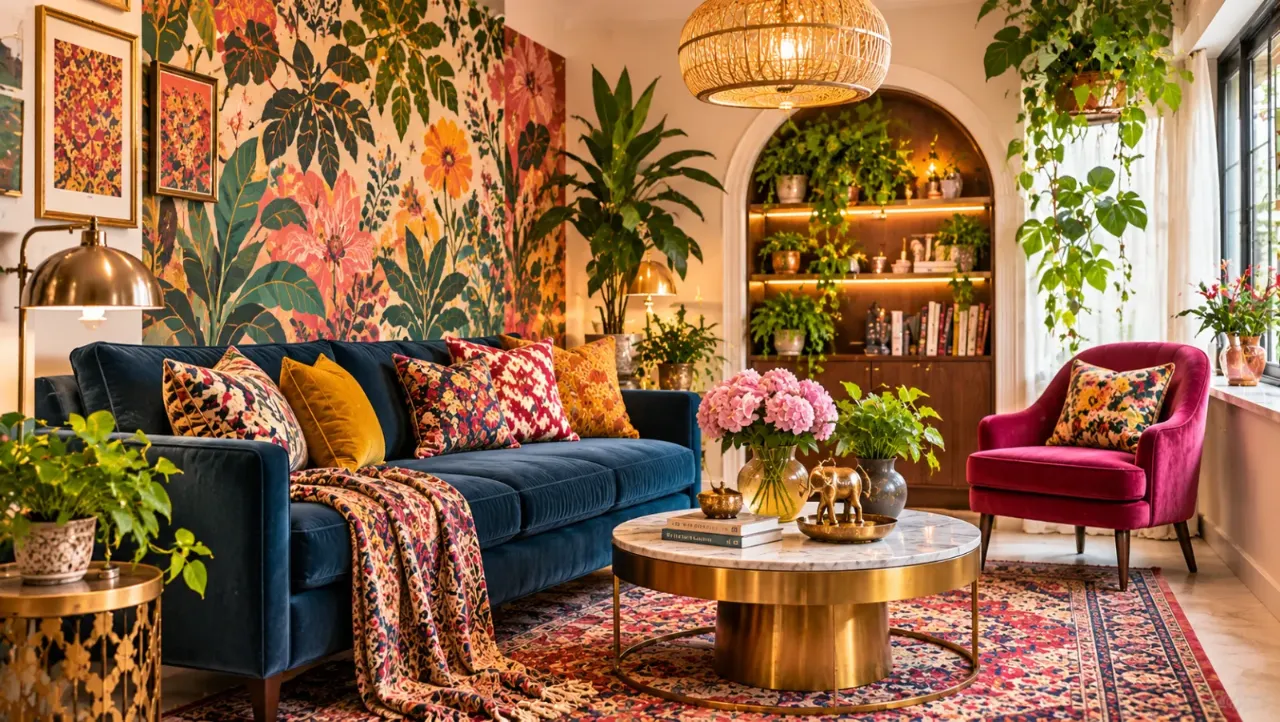
A small home does not have to follow a minimal, neutral design approach. You can use rich colours, expressive artwork, patterned fabrics, decorative objects and statement furniture even when floor space is limited. This is where maximalism offers an interesting alternative.
Maximalist interiors celebrate personality, detail and visual layering. Instead of keeping every surface bare, they bring together colours, textures, patterns and objects that reflect the people living in the home. But in a compact Indian apartment, adding more of everything without a plan can quickly make rooms feel crowded.
The key is to create a layered interior with a clear sense of organisation. Here is how to bring maximalism into a small home while keeping it comfortable and functional.
1. Understand What Maximalism Really Means
Maximalism is often mistaken for simply filling a room with furniture and decorations. In reality, it is about creating a deliberate combination of elements that work together.
A maximalist room may include:
- Rich or contrasting wall colours.
- Patterned cushions, rugs and curtains.
- Artwork, framed photographs and decorative mirrors.
- Furniture with distinctive shapes or finishes.
- Books, ceramics, collectibles and personal objects.
- Different textures such as wood, velvet, metal, linen and cane.
These elements do not need to match perfectly. They need a visual connection through colour, material, theme or style.
In a small home, this distinction matters. The aim is to create visual interest, not block movement or use every available surface.
2. Start With a Colour Story
Colour is one of the easiest ways to establish a maximalist look. You can use bold shades without making every wall equally strong.
Choose a small group of colours that can repeat across the room. For example:
| Colour combination | How to use it |
|---|---|
| Deep green, mustard and ivory | Green on a feature wall, mustard in cushions and ivory on larger surfaces. |
| Navy, rust and warm beige | Navy in upholstery or artwork, rust in accents and beige to balance the scheme. |
| Burgundy, blush and antique gold | Burgundy in selected furniture or decor, blush in textiles and gold in small details. |
| Teal, ochre and natural wood | Teal as a focal colour, ochre in accessories and wood to connect the palette. |
A useful approach is to keep larger permanent surfaces relatively controlled and introduce stronger colours through items that can be changed later.
For example, a neutral sofa can become part of a maximalist scheme with patterned cushions, a colourful throw, a bold rug and expressive artwork.
3. Mix Patterns Without Making the Room Feel Chaotic
Pattern mixing gives maximalist interiors much of their character. However, combining several prints without considering their scale can make a small room feel visually restless.
- Combine one large-scale pattern with smaller prints.
- Repeat at least one colour across different patterns.
- Mix geometric, floral and abstract designs carefully.
- Use solid-colour fabrics between busy patterns to create visual pauses.
- Avoid using equally bold prints on every large surface.
For instance, a floral cushion can sit alongside a geometric rug if both share a similar colour. A plain curtain or sofa can help balance the combination.
You do not need to match every pattern. You need enough common elements to make the arrangement feel connected.
4. Make One Wall a Strong Visual Feature
A statement wall can establish a maximalist identity without taking up additional floor space.
- A gallery wall with artwork and personal photographs.
- Wallpaper with a large botanical or geometric print.
- A bold painted wall behind the sofa or bed.
- Decorative wall plates or a curated collection of framed prints.
- A display of small shelves with books and selected objects.
For compact rooms, plan the arrangement before fixing anything to the wall. Keep the composition within a defined area rather than spreading decorative elements across every available wall.
A gallery wall can look especially effective when frames share a finish or when the artwork follows a consistent colour palette.
5. Use Statement Furniture Carefully
Maximalism does not require every piece of furniture to be decorative. One or two distinctive pieces can provide enough character.
Consider a colourful accent chair, a sculptural coffee table, an upholstered headboard or a vintage-style sideboard.
In a small living room, choose furniture that makes an impact without interrupting movement. Check the full dimensions, including drawers, doors and any moving parts. A visually attractive chair may still be unsuitable if it blocks the main walking route.
Where possible, combine statement furniture with useful features such as storage drawers, nesting tables or compact shelving.
6. Layer Textures to Add Depth
A room can feel maximalist even when its colour palette is relatively restrained. Texture creates depth and makes the interior feel collected rather than flat.
- Velvet or textured upholstery.
- Linen or patterned curtains.
- Wooden furniture and carved details.
- Woven baskets and cane accents.
- Ceramic vases and metal accessories.
- Rugs, throws and embroidered cushions.
The important thing is to vary the textures rather than repeat the same finish everywhere.
For example, a living room with a textured sofa, a woven rug, a wooden coffee table and ceramic accessories can feel rich without requiring several competing colours.
7. Display Collections With a Clear Arrangement
Books, souvenirs, artwork, ceramics and travel objects can make a home feel personal. Maximalism gives these collections a place in the interior.
Instead of spreading them across every surface, create small display zones.
A bookshelf can hold books, framed photographs and a few decorative objects. A console can display a lamp, a ceramic piece and a small stack of books. A wall-mounted shelf can hold a curated collection without occupying floor space.
Leave some visible gaps between objects. Grouping items by height, colour or theme helps the display feel intentional.
8. Use Vertical Space Instead of Adding More Furniture
In compact homes, the floor area is often the biggest limitation. Wall-mounted storage and vertical displays allow you to add personality without filling the room with extra furniture.
- Tall bookcases that use vertical wall space.
- Floating shelves for books and collectibles.
- Wall-mounted cabinets with closed storage.
- Pegboards or display rails for selected objects.
- Vertical artwork arrangements.
- Hanging planters where suitable.
Keep frequently used objects accessible and avoid placing heavy items on shelves that are not designed to support them. Secure tall furniture and shelving appropriately.
9. Plan Maximalism Room by Room
Not every room needs the same level of decoration. Consider how each space is used before deciding where to add colour, patterns and objects.
| Room | Maximalist approach | What to watch |
|---|---|---|
| Living room | Statement sofa, layered cushions, gallery wall and patterned rug. | Preserve clear walking paths. |
| Bedroom | Expressive headboard, layered bedding and selected artwork. | Keep bedside surfaces usable. |
| Dining area | Distinctive pendant, colourful tableware and artwork. | Keep the table easy to use. |
| Kitchen | Patterned backsplash, colourful accessories and open display shelves. | Protect work surfaces and storage access. |
| Home office | Artwork, a colourful chair and organised display shelves. | Keep the desk functional. |
The idea is to give each room its own character while maintaining a connection through repeated colours, materials or design details.
10. Balance Open and Decorated Areas
A maximalist home still needs visual breathing room. If every wall, shelf and surface competes for attention, the room may become tiring to use.
- Leave part of the floor visible.
- Avoid filling every section of a bookshelf.
- Keep frequently used countertops clear.
- Use closed cabinets for everyday clutter.
- Avoid placing large decor items in narrow passageways.
- Let one or two features become the main focus in each room.
This balance makes the decorative elements stand out rather than compete with one another.
11. Choose Lighting That Complements the Layers
Lighting can highlight artwork, textures and decorative details. A single ceiling light may not show the full character of a layered interior.
Consider combining general room lighting with table lamps, wall lights and focused lighting for artwork or shelves. Use suitable fixtures and avoid excessive brightness or glare, especially in compact rooms.
A decorative lamp can also become part of the styling. Choose its size carefully so it does not overwhelm a small side table or obstruct movement.
12. Common Mistakes to Avoid
| Mistake | Better approach |
|---|---|
| Using too many unrelated colours | Repeat a small group of colours across the room. |
| Mixing several equally bold patterns | Vary pattern scale and include solid surfaces. |
| Buying oversized statement furniture | Check dimensions and circulation before purchasing. |
| Filling every shelf and surface | Group collections and leave visual gaps. |
| Adding decor without considering storage | Use display shelves alongside closed cabinets. |
| Ignoring lighting | Layer general and focused lighting. |
| Copying a large-room design exactly | Adapt the number and scale of elements to the available space. |
13. A Practical Checklist Before Styling
- Identify the room's main focal point.
- Choose a colour palette that can repeat across the space.
- Decide which patterns and textures will work together.
- Measure furniture and check walking clearances.
- Select a few statement pieces instead of decorating every corner.
- Plan display areas for collections and personal objects.
- Use vertical storage where practical.
- Keep everyday surfaces and circulation areas functional.
- Review the room after styling and remove anything that feels unnecessary.
Final Thoughts
Maximalism can work beautifully in small homes when it is built around thoughtful choices rather than the idea of adding more. Bold colours, expressive patterns, collected objects and layered textures can give a compact home a strong identity without making it uncomfortable.
Start with a clear colour story, choose a few statement elements and build the rest of the room around them. Most importantly, allow the home to reflect your personality while keeping everyday movement, storage and comfort in mind.
A small home does not need to look empty to feel spacious. It needs a thoughtful balance between expression and usability.
Frequently Asked Questions
1. Can maximalism work in a small apartment?
Yes. Maximalism can work in a small apartment when furniture sizes, display arrangements, colour combinations and circulation are planned carefully.
2. Does maximalist design make a small room look smaller?
It can if too many large patterns, dark surfaces and oversized objects compete for attention. A coordinated palette, thoughtful scale and some open areas help maintain visual balance.
3. Which colours work best for maximalist interiors?
Deep green, navy, burgundy, rust, mustard and teal can work well. The best combination depends on daylight, room size, existing finishes and personal preference.
4. How many patterns should I use in a small room?
There is no fixed number. Start with two or three patterns of different scales, connect them through repeated colours and use solid surfaces to balance the arrangement.
5. Can I create a maximalist look without buying new furniture?
Yes. Rearrange existing artwork, display personal collections, change cushion covers, introduce a patterned throw and group decorative objects into intentional arrangements.
6. Is maximalism suitable for Indian homes?
Yes. It can incorporate Indian textiles, handcrafted objects, artwork, traditional patterns, woodwork and personal collections. Choose materials and arrangements that suit the home's climate and daily use.
7. How do I prevent maximalist decor from looking cluttered?
Create defined display zones, use closed storage for everyday items, maintain clear walking paths and leave some surfaces relatively open.
8. Can maximalist interiors be created on a budget?
Yes. Reuse existing furniture, frame personal photographs, rearrange collectibles and introduce colour through smaller accessories before investing in major furniture or permanent finishes.
Bring Your Interior Ideas to Life With Walls to Wonder
Planning a home that reflects your personality? Explore Walls to Wonder's AI tools to experiment with layouts, styles and budgets before making design decisions.
- Whole Home Visualizer – Explore design ideas across your home.
- Design My Room – Experiment with different room styles.
- Interior Design Cost Estimate – Get an initial estimate for your project.
- Interior Quotation Checker – Review and understand interior quotations.
- Rate My Room Design – Get feedback on your room design.
- Interior Style Finder – Explore styles that match your preferences.
Discover more at Walls to Wonder.
Turn this idea into a plan for your home
Visualise your space, understand the likely budget, or find a professional who can bring the idea to life.