
Lower Bills, Same Comfort: Low-Cost Ways to Save Electricity
An electricity bill can creep up without any obvious change in how a household lives. The air conditioner runs a little longer during hot weather, lights stay on in empty rooms, appliances remain on standby and the geyser is switched on longer than necessary. Individually, these habits may seem minor, but together they can contribute to higher electricity consumption.
The good news is that reducing electricity use does not always require expensive appliances, solar panels or major home renovations. A few changes to lighting, cooling, appliance routines and the way you use your space can make a practical difference.
For Indian homes, where summer cooling, ceiling fans, refrigerators, water heaters and other everyday appliances can contribute to household consumption, the best approach is to start with what you already have.
Here are budget-friendly ways to use electricity more thoughtfully without making your home less comfortable.
1. Understand Where Your Electricity Goes
Before changing your routines, take a look at your recent electricity bills. Compare the units consumed, usually measured in kilowatt-hours (kWh), rather than comparing only the amount payable.
The bill amount can change because of tariffs, fixed charges, taxes or billing adjustments, even when electricity consumption is similar. Comparing units helps you see whether your usage itself has changed.
Look at the months when consumption was highest. Did you use the air conditioner more often during summer? Were additional appliances running? Did the household spend more time at home?
You can also note which appliances run for long periods and which are used only occasionally. Air conditioning, refrigerators, water heaters and electric cooking equipment may deserve attention, depending on your household's habits and appliance types.
You do not need to buy an energy-monitoring device immediately. Start with your existing electricity bills, appliance labels and daily routines. Understanding where electricity is being used helps you prioritise changes that are realistic for your home.
2. Make Better Use of Natural Daylight
Lighting is one of the easiest places to start because some rooms receive enough daylight for everyday activities during certain hours.
Open curtains and blinds when direct sunlight, glare and heat gain are not a problem. Keep windows reasonably clean, and arrange frequently used areas such as reading corners or work surfaces where daylight can reach them comfortably.
Light-coloured walls and ceilings can help distribute available daylight through a room. Mirrors may also help redirect light, depending on their position, but they are not a substitute for a well-planned window arrangement.
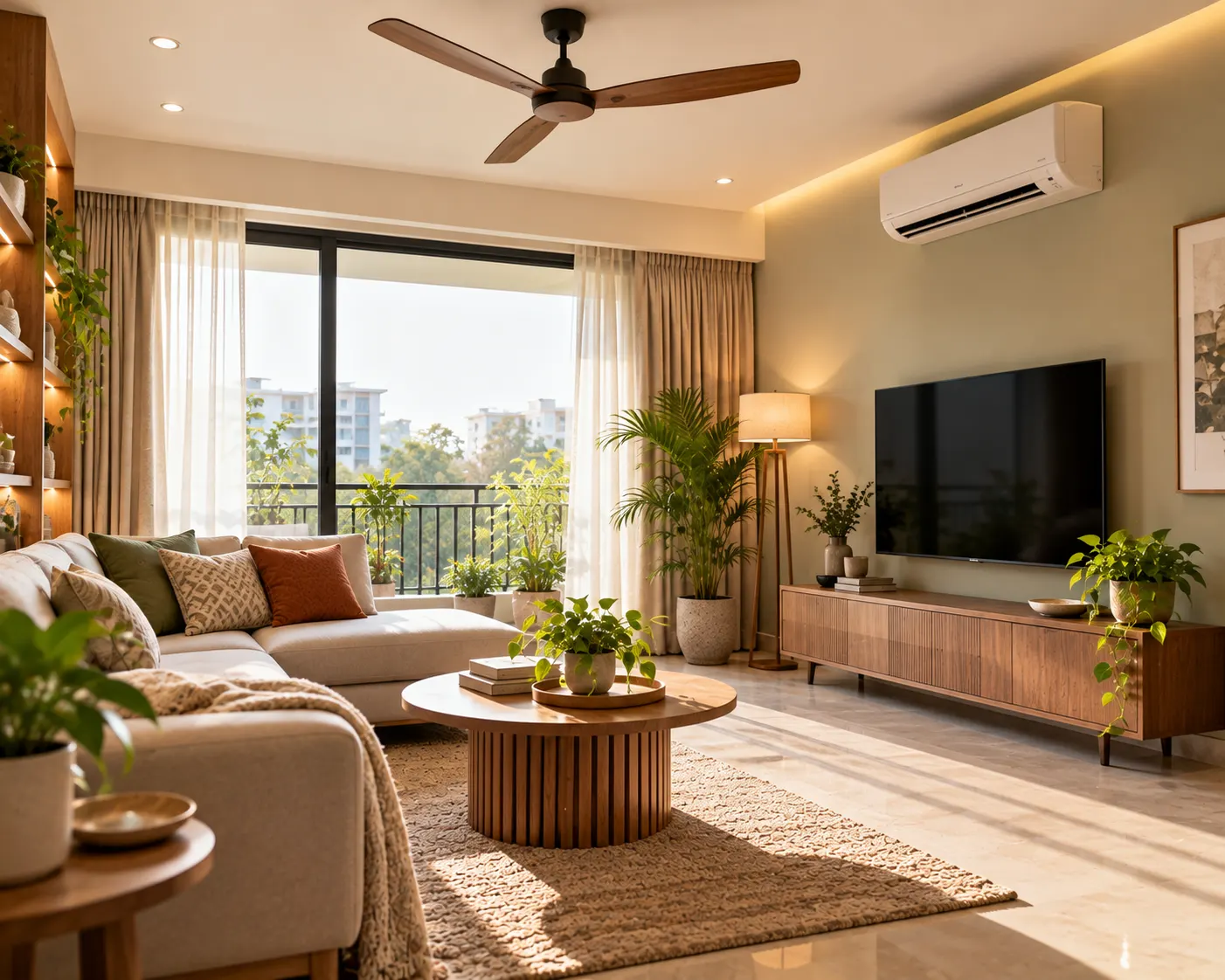
Pay attention to the heat coming through windows. In hot weather, direct afternoon sun can make rooms warmer and increase the need for cooling. Sheer curtains, suitable blinds, exterior shading where feasible, or closing curtains during the hottest part of the day may help balance daylight with heat control.
The goal is not to leave every curtain open all day. Use daylight when it is useful, and manage sunlight when it makes the room uncomfortably warm.
3. Switch to LED Lighting and Turn Off Unneeded Lights
If your home still uses older, less efficient bulbs, replacing frequently used ones with suitable LED alternatives can be a practical upgrade.
Check the bulb's brightness and fitting before buying a replacement. A lower-wattage LED can often provide comparable light to an older bulb, but brightness and light quality should still suit the task. Choose a suitable colour temperature for each room instead of assuming that every space needs the same lighting.
You can also reduce unnecessary lighting by making a few small changes:
- Switch off lights when leaving a room for a while.
- Use task lighting for reading or focused work instead of lighting the entire room brightly.
- Avoid decorative lights being left on for long periods when nobody needs them.
- Clean dusty lampshades and fixtures so they deliver useful light.
- Use separate switches for different lighting zones where your existing setup allows it.
Replacing every light fixture is not necessary. Start with bulbs that are used frequently, then assess the rest as needed.
4. Use Ceiling Fans and Air Conditioning Thoughtfully
Cooling can be an important part of household electricity use during hot weather, but comfort does not always require the air conditioner to work harder.
A ceiling fan helps people feel cooler by moving air across the skin. It does not significantly lower the room's actual temperature, so turn it off when the room is empty.
When using an air conditioner, choose a comfortable temperature rather than setting it unnecessarily low. Close doors and windows while cooling, and use curtains or blinds to reduce strong sunlight entering the room. Keep filters clean according to the manufacturer's instructions, and arrange servicing when the unit is not cooling properly.
A ceiling fan can often help the room feel comfortable alongside air conditioning, allowing some households to choose a less aggressive cooling setting. The result depends on the room, the equipment and personal comfort.
Also check whether the AC is appropriately sized and installed for the room when replacing a unit. An oversized or poorly installed system may not operate as intended.
Do not sacrifice sleep, health or reasonable comfort just to reduce electricity use. Aim to avoid waste while keeping indoor conditions suitable for the people in your home.
5. Reduce Heat Entering the Home
A room that heats up quickly may need more cooling to stay comfortable. Some low-cost changes can help manage heat before it reaches the interior.
During hot weather, use curtains or blinds to limit strong direct sunlight, particularly through west-facing windows that receive afternoon sun. Keep windows closed during the hottest outdoor periods when opening them would bring in more heat. When outdoor conditions are cooler and air quality is suitable, ventilation may help refresh the room.
Keep doors and windows reasonably well sealed where unwanted hot air enters around gaps. Simple draught sealing may be useful in some situations, although the appropriate approach depends on the window, door and ventilation requirements.
If you have balconies or outdoor spaces, consider practical shading where permitted. Avoid blocking ventilation openings or creating a setup that traps heat and moisture indoors.
For rented homes or apartments where permanent changes are not possible, curtains, adjustable blinds and better control of when windows are opened can be starting points.
6. Stop Wasting Electricity on Standby Devices
Some devices continue to draw power when they are not actively being used. The amount varies by appliance, so not every standby device will make a significant difference to your bill.
Look at entertainment systems, desktop accessories, chargers and other equipment that may remain powered unnecessarily. Turn off devices at the switch or disconnect them when appropriate and convenient, especially when they will not be used for an extended period.
A switched power strip can make it easier to manage several suitable devices together, provided it is correctly rated and used safely. Do not use it to disconnect equipment that needs a continuous power supply, and never overload a socket or power strip.
Also remember that frequently unplugging equipment is not always useful or convenient. Prioritise devices that are easy to switch off and are actually drawing standby power.
A simple household habit—checking which devices remain on after everyone has finished using a room—can help reduce avoidable consumption without buying new equipment.
7. Use Refrigerators, Washing Machines and Geysers Efficiently
Large appliances deserve attention because their energy use depends on both the appliance and how it is operated.
For refrigerators, avoid leaving the door open while deciding what to take out. Check that the door gasket seals properly, allow the appliance suitable ventilation as specified by the manufacturer, and use the recommended temperature settings. Putting very hot food into the fridge can increase the cooling load, so allow food to cool appropriately and safely before storing it.
For washing machines, run suitable full loads rather than several small loads when practical. Use an appropriate wash programme and temperature for the fabric and level of dirt. Air-drying clothes can reduce reliance on electric dryers where these are used.
For an electric geyser, plan hot-water use so the unit does not stay on longer than necessary. A timer may help if it suits the model and household routine. Follow the manufacturer's instructions for temperature settings and maintenance, and have electrical or plumbing concerns addressed by a qualified professional.
These are not identical savings opportunities in every home. Focus on the appliances you use most and the routines that are easy to change.
8. Avoid Buying New Appliances Before You Need Them
Energy-efficient appliances can be useful, but replacing a functioning appliance purely to save electricity may not be the most economical decision for every household.
When an appliance genuinely needs replacing, compare its energy rating, capacity, expected usage and running requirements. In India, look for the relevant BEE star label where applicable, and compare products of similar size and function.
An appliance's rated efficiency is only part of the decision. Actual consumption depends on how often it is used, how it is installed and maintained, and the conditions in which it operates.
Before spending money, first correct habits that cause avoidable consumption, such as leaving lights on, running half-empty loads unnecessarily or setting cooling equipment lower than needed.
The most sensible upgrade is one that fits your needs and budget—not simply the newest model available.
9. Track Your Habits and Electricity Consumption
Saving electricity works best when small changes become routine. Rather than attempting to change everything at once, choose a few habits that match your household.
For example, you might focus on using daylight during the morning, switching off unused lighting, running the geyser only when needed and maintaining the AC before peak summer use.
Review your electricity units from one bill to the next, but compare similar periods where possible. Weather, occupancy, appliance additions, billing periods and tariff changes can affect the result. A lower bill does not always mean lower consumption, and one unusually high bill does not necessarily point to a single appliance.
If you want to investigate further, record the use of major appliances over a typical day or check available consumption information from your electricity provider. Use the findings to decide which changes are worth keeping.
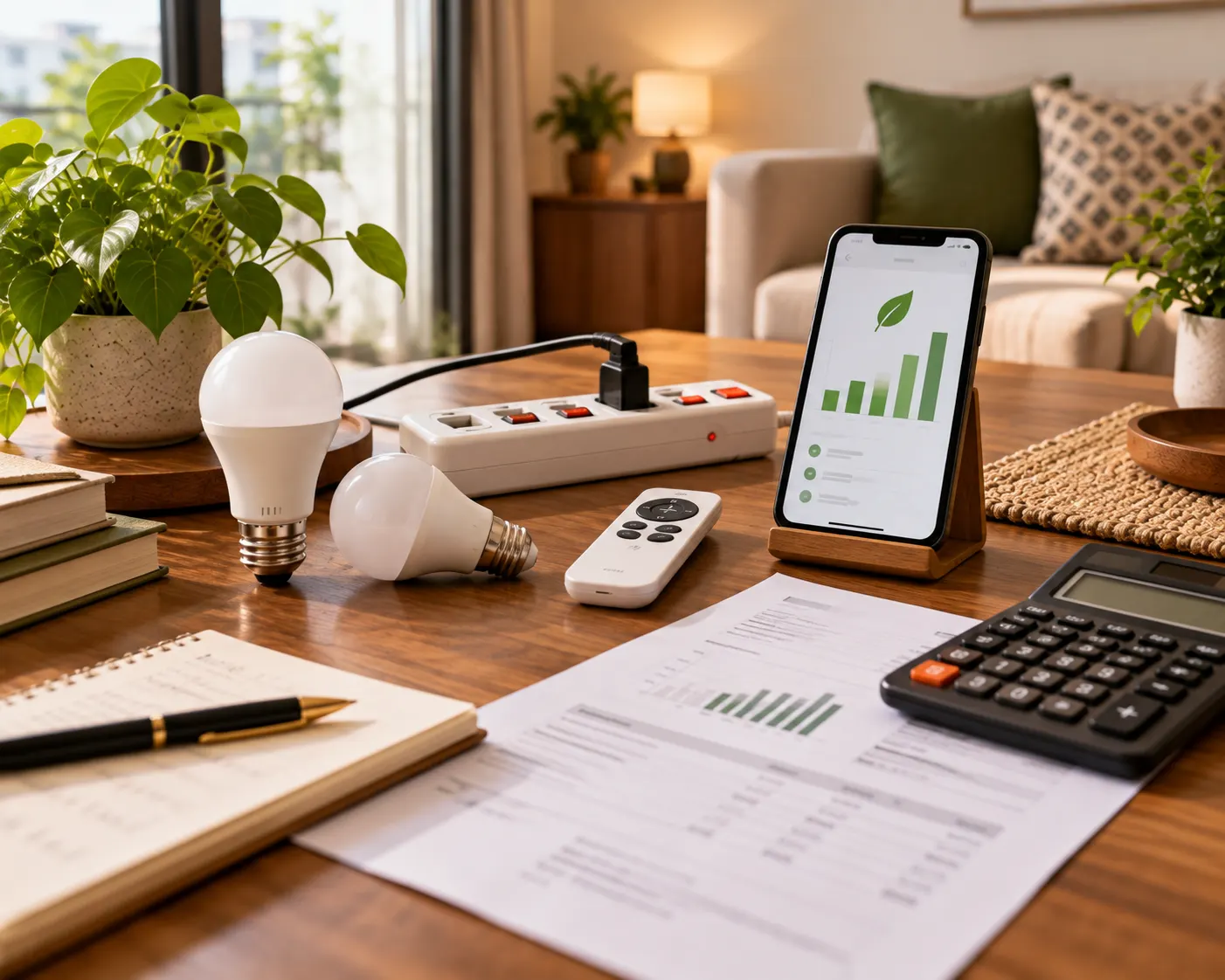
The aim is steady, practical improvement rather than expecting a particular percentage of savings from every household.
A Practical Checklist for Lower Electricity Use
Before spending money on upgrades, try these steps:
- Compare electricity units on recent bills to understand consumption patterns.
- Use daylight when practical and manage direct sunlight during hot periods.
- Replace frequently used inefficient bulbs with suitable LED alternatives.
- Switch off unnecessary lights and devices when they are not needed.
- Use fans and air conditioning in ways that maintain comfort without unnecessary cooling.
- Clean appliance filters and maintain equipment according to manufacturer guidance.
- Reduce avoidable standby use where it is safe and convenient.
- Run washing machines and other appliances with suitable loads and settings.
- Use the geyser thoughtfully and follow its operating instructions.
- Compare energy labels when an appliance genuinely needs replacing.
- Review electricity consumption over time and adjust your habits accordingly.
You do not need to implement every change at once. Start with the habits that are easiest to maintain and most relevant to the appliances in your home.
Plan a More Efficient Home With Walls to Wonder
A comfortable, energy-conscious home does not always require a major renovation. Thoughtful use of daylight, sensible lighting placement, appropriate window coverings and good room planning can support everyday comfort while helping you avoid unnecessary energy use.
Explore Walls to Wonder design ideas for practical approaches to home interiors, or use the Interior Design Cost Estimator when planning a broader improvement budget.
Design changes can help with comfort and light management, but electrical work and appliance repairs should be handled by appropriately qualified professionals.
Final Thought
Reducing electricity use does not have to mean living in a darker home, switching off every comfort or buying expensive new equipment. Often, the sensible starting point is to understand your consumption and make better use of the appliances, lighting and spaces you already have.
Use daylight thoughtfully, maintain cooling equipment, avoid unnecessary operation and track your electricity units over time. Then invest in upgrades when they genuinely suit your household and budget.
The best energy-saving plan is one that lowers avoidable consumption without making everyday life less comfortable.
Frequently Asked Questions
1. What is the easiest way to reduce electricity use at home?
Start by switching off unneeded lights and devices, using daylight when practical, maintaining cooling equipment and reviewing how your household operates major appliances. The most useful starting point depends on your home's existing habits and equipment.
2. Do LED bulbs really help reduce electricity consumption?
LED bulbs generally use less electricity than older incandescent bulbs for comparable light output. The benefit depends on the bulb being replaced, its usage hours and the brightness required. Prioritise lights that are used frequently.
3. Does using a ceiling fan with an air conditioner help?
A ceiling fan moves air and can make occupants feel cooler without significantly lowering the room's actual temperature. Some households can therefore remain comfortable with a less aggressive AC setting, although the result depends on the room, equipment and personal preference.
4. Should I unplug every appliance when not in use?
No. Focus on suitable devices that consume standby power and can be switched off safely and conveniently. Some appliances need continuous power, and power strips must be rated correctly and never overloaded.
5. How can I tell whether my electricity-saving habits are working?
Compare electricity units consumed on bills over similar periods, accounting for differences in weather, occupancy and billing duration. You can also monitor major appliance use. Avoid assuming that a change in bill amount alone proves that consumption has fallen.
6. Should I replace my old appliances to save electricity?
Consider replacement when an appliance is no longer suitable, has recurring problems or genuinely needs upgrading. Compare relevant energy ratings, capacity and expected use. The running-cost benefit depends on the appliance being replaced and how the new one will be used.
Get a personalised estimate for your home
Choose your rooms, materials and preferences to understand a practical interior budget before you commit.