
Interior Design Mistakes That Look Good Online but Fail in Real Homes
Why Online Interior Inspiration Can Be Misleading
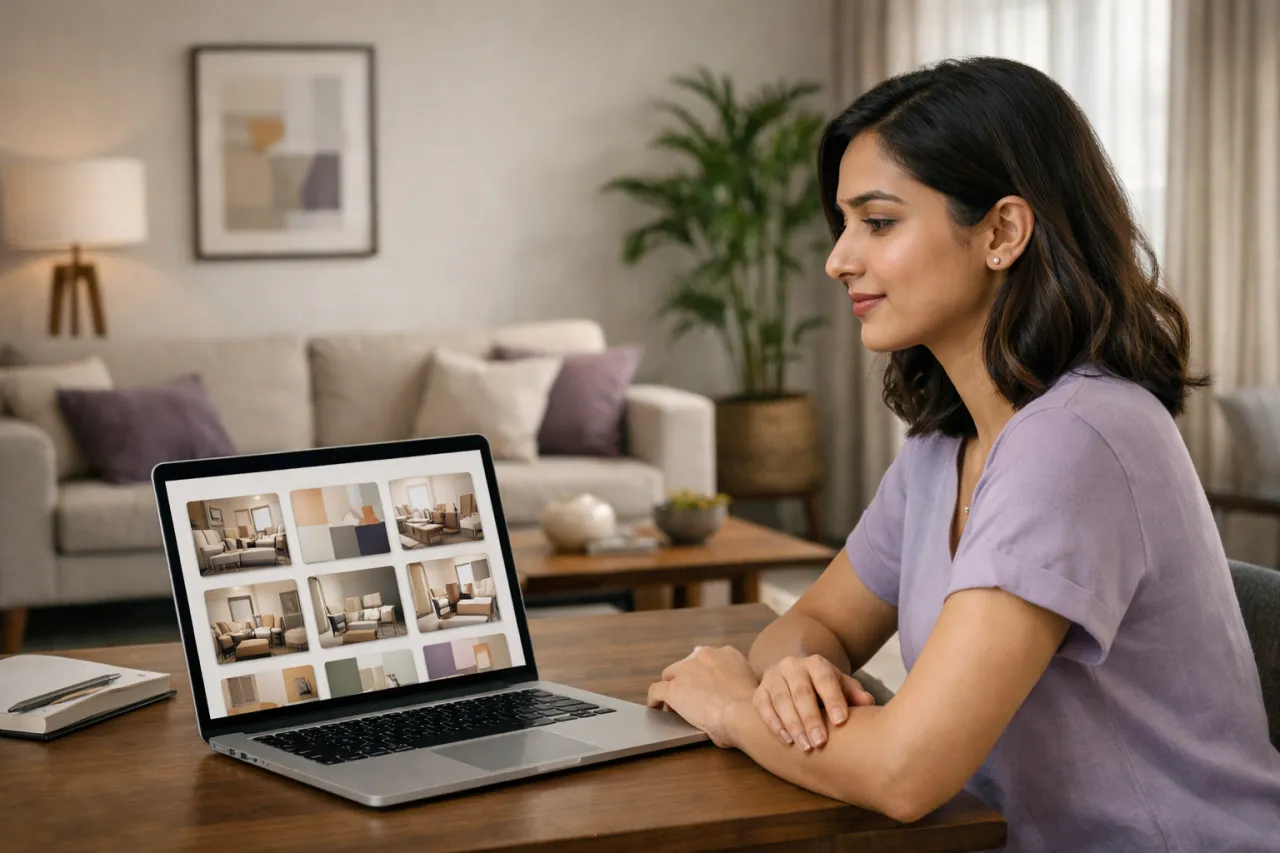
Social media has changed how homeowners discover interior design ideas. While platforms like Instagram and Pinterest offer endless inspiration, many designs showcased online are created for visuals—not for daily living.
When these designs are replicated without considering space, lifestyle, and usage, problems begin to surface.
Dark Colour Palettes in Small Homes
Dark kitchens, black wardrobes, and deep-toned living rooms look dramatic online. In real apartments, they often make spaces feel smaller, dull, and heavy.
Without perfect lighting and large spaces, dark interiors can quickly feel overwhelming.
Open Shelving Everywhere
Open shelves look stylish in photos but demand constant maintenance. Dust, grease, and clutter become visible within days—especially in Indian kitchens.
Using open shelving selectively works better than copying it across the entire space.
Glossy Finishes That Show Every Mark
High-gloss kitchens and wardrobes photograph beautifully. In real homes, they easily show fingerprints, scratches, and smudges—leading to frequent cleaning.
For daily-use areas, matte or textured finishes are more forgiving and practical.
Oversized Furniture from Showroom Setups
Furniture displayed in large showrooms often doesn’t translate well into compact apartments. Oversized sofas and dining tables reduce walking space and make rooms feel cramped.
Scale matters more than appearance.
Ignoring Storage in Favour of Minimalism
Minimal interiors look clean online but often hide the reality of daily living. Homes without sufficient storage quickly become cluttered.
True minimalism works only when storage is planned smartly behind the scenes.
Following Trends Without Considering Lifestyle
Trends like handleless kitchens, white upholstery, or glass wardrobes are popular online—but may not suit families with kids, pets, or heavy daily use.
Design should support lifestyle, not fight it.
Skipping Material Practicality Checks
Online designs rarely explain material performance. Choices like MDF in wet areas or delicate finishes in high-traffic zones lead to faster wear and damage.
Material suitability matters more than visual appeal.
Lighting That Looks Good Only in Photos
Decorative lights may look stunning in images but provide poor illumination for daily tasks. Homes need layered lighting—ambient, task, and accent—to function well.
Copy-Paste Designs Without Layout Adaptation
Every home has a unique layout. Copying designs without adjusting for room size, ceiling height, and natural light often results in imbalance.
Good design adapts inspiration—not replicates it blindly.
How Homeowners Can Make Better Design Decisions
- Prioritize function over trends
- Evaluate designs based on real usage
- Ask designers about maintenance and durability
- Look at executed projects, not just renders
Conclusion
Not every design that looks good online works in real homes. The best interiors balance aesthetics with practicality, comfort, and durability. By understanding common mistakes and planning realistically, homeowners can create spaces that look good, feel comfortable, and perform well for years.
Turn this idea into a plan for your home
Visualise your space, understand the likely budget, or find a professional who can bring the idea to life.