
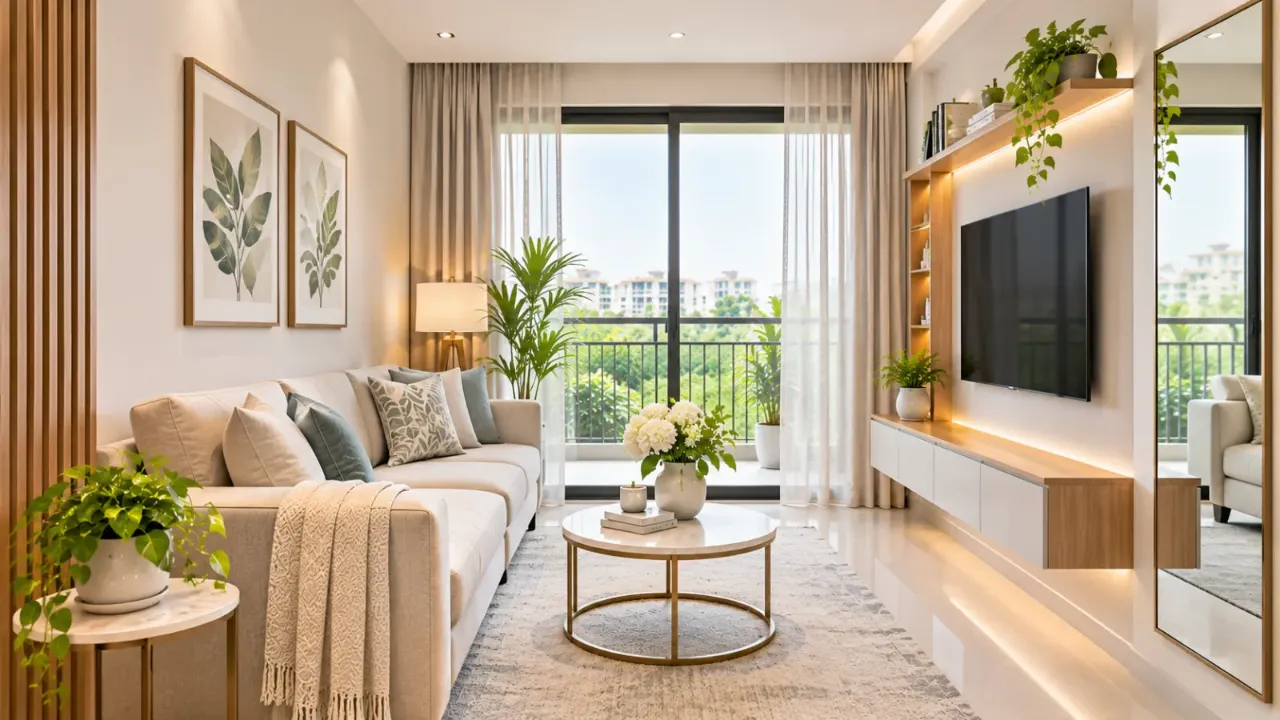
Feature Wall or Full-Room Treatment: What Should You Choose?
A beautifully designed wall can change the character of a room. It can create a focal point, introduce texture, add depth or make a simple interior feel more finished. But one decision often comes before choosing the material: should you treat just one wall, or should the same design continue across the entire room?
A feature wall can bring attention to a particular area without overwhelming the rest of the interior. A full-room treatment, on the other hand, can create a more consistent and immersive look when the material, colour and detailing are carefully selected.
Neither approach is automatically better. The right choice depends on the room's size, natural light, architectural features, furniture, design style and budget.
Here is how to decide.
1. Understand the Difference Between a Feature Wall and a Full-Room Treatment
A feature wall is one selected wall that receives a different finish, colour, texture or material from the remaining walls. It is often used behind a sofa, bed, television or dining area.
A full-room treatment extends a chosen finish or coordinated design across multiple walls, sometimes including the ceiling or other architectural details.
Feature wall examples:
- A textured paint finish behind the sofa.
- A stone-look panel behind the television.
- Wooden fluted panels on the bed-back wall.
- Wallpaper on one wall of a dining area.
- A contrasting colour behind a console.
Full-room treatment examples:
- The same paint finish across all walls.
- Continuous wallpaper across multiple walls.
- Consistent wall panelling throughout a room.
- A coordinated plaster or textured finish on several surfaces.
- Repeated wall mouldings and decorative detailing.
The important distinction is the visual coverage and continuity of the treatment, not simply the material used.
2. When a Feature Wall Is the Better Choice
A feature wall works particularly well when a room needs one clear focal point. Instead of decorating every surface, you direct attention towards a specific area.
Consider a feature wall when:
- The room is compact and extensive detailing could feel overwhelming.
- You want to highlight the TV, sofa, bed or dining area.
- You are working with a limited interior budget.
- The selected material is visually strong, such as stone or patterned panels.
- The remaining walls already have architectural details or attractive finishes.
- You want the option to refresh the room without reworking every wall.
A feature wall also allows you to experiment with a material or colour without committing to it across the entire room.
3. When Full-Room Treatment Makes More Sense
A full-room treatment can be effective when consistency and visual continuity are important. It can make a room feel more considered, especially when the chosen finish is subtle and does not compete with the furniture.
Consider treating multiple walls when:
- The room has a large enough area to support the design.
- The finish is relatively subtle and works across different viewing angles.
- You want a consistent architectural language throughout the space.
- The room has minimal furniture and needs more visual character.
- A specific design style calls for continuous detailing.
- You are using a restrained paint, wallpaper or moulding treatment.
For example, a soft textured paint finish across all walls can create a cohesive backdrop without making the room feel excessively decorated.
However, full-room treatment does not mean every wall must have an identical decorative feature. A combination of a main finish and simpler supporting walls can achieve a more balanced result.
4. Compare Materials Before Deciding
The material you choose has a major influence on whether a feature wall or full-room treatment is more suitable.
Paint
Paint is one of the most flexible options. It can be used across the entire room or on one wall to create contrast.
- Full-room paint works well for creating a consistent background.
- Accent paint can highlight a focal wall.
- Different shades can define zones without adding physical partitions.
- It is generally easier to refresh than many fixed decorative finishes.
Textured Paint and Decorative Plaster
Textured finishes add depth and surface interest.
- A feature application creates a stronger focal point.
- Subtle textures can work across multiple walls.
- Pronounced textures may become visually tiring when repeated everywhere.
- Check sample panels under the room's actual lighting before deciding.
Wooden and Fluted Panels
Wooden panels and fluted surfaces introduce rhythm, depth and material contrast.
- They are often effective behind sofas, beds and TV units.
- Selective use can prevent the room from feeling too busy.
- Continuous panelling can work when the design is restrained and proportioned carefully.
- Consider dust accumulation, installation and repair requirements.
Stone and Stone-Look Finishes
Stone can create a strong visual statement.
- A feature wall often allows the material's pattern to stand out.
- Full-room stone treatment may feel heavy if the pattern is prominent.
- Large-format stone-look surfaces can create a more continuous appearance.
- Check the finish, weight, fixing system and maintenance requirements.
Wallpaper
Wallpaper offers a wide range of patterns, textures and colours.
- A single wallpapered wall can add character without overwhelming the room.
- Subtle patterns can work across multiple walls.
- Large, busy patterns may dominate a compact room.
- Check the product's suitability for the room's moisture and cleaning conditions.
5. Consider the Size and Proportion of the Room
Room dimensions should influence how much of the wall receives decorative treatment.
In a compact living room, a strong feature wall may be enough. Covering every wall with dark colours, heavy textures or elaborate panels can make the space feel enclosed.
Larger rooms offer more flexibility, but scale still matters. A large empty room may benefit from continuous panelling or a consistent wall finish, while multiple competing feature walls can make the space feel fragmented.
Before deciding, consider:
- Room width and ceiling height.
- Number and size of windows.
- Amount of natural light.
- Furniture dimensions and placement.
- Existing architectural details.
- The number of walls visible from the entrance.
6. Think About Lighting and How the Finish Will Look
Lighting can change how a wall treatment appears throughout the day.
A textured wall may look subtle in daylight but become more pronounced under grazing or directional lighting. Glossy finishes can reflect light, while dark surfaces may absorb more of it.
For a feature wall:
- Position accent lighting to highlight the material.
- Avoid strong glare on reflective finishes.
- Coordinate lighting with artwork, furniture and wall panels.
For a full-room treatment:
- Maintain consistent illumination.
- Check whether the finish creates unwanted shadows.
- Avoid repeating highly reflective or heavily textured surfaces everywhere.
- Consider how daylight changes the colour across different walls.
Always review material samples in the actual room rather than relying only on showroom lighting.
7. Compare the Budget and Installation Requirements
A feature wall may reduce material and labour requirements because the decorative treatment covers a smaller area. But a complex stone or panel installation can still be expensive.
A full-room treatment may offer consistency, but it generally requires more material and a larger installation scope.
Compare quotations based on:
- Total surface area.
- Material quantity and specifications.
- Wall preparation and repair work.
- Framework or supporting structure, where required.
- Labour and installation charges.
- Lighting and electrical modifications.
- Edge detailing and finishing.
- Maintenance and future repair requirements.
Do not compare quotations only by their final totals. Make sure both options include the same scope and quality of material.
8. Avoid Mixing Too Many Wall Treatments
One of the most common mistakes is introducing too many materials in a single room.
For example, a room may have a stone TV wall, fluted wooden panels behind the sofa, patterned wallpaper on another wall and decorative mouldings on the remaining surfaces.
Each element may look attractive individually, but together they can compete for attention.
A more controlled approach is to choose:
- One main decorative treatment.
- One supporting finish or material.
- A simpler background finish for the remaining walls.
The objective is to create visual hierarchy rather than make every wall a focal point.
9. Room-by-Room: Where Each Approach Works
Living Room
A feature wall behind the television or sofa is often sufficient. A full-room treatment may work when it uses subtle paint, restrained mouldings or a continuous texture.
Bedroom
The bed-back wall is a natural location for a feature treatment. Full-room paint or subtle wallpaper can create a more consistent and restful environment.
Dining Area
A feature wall behind a dining table, artwork or console can establish a focal point. A continuous finish may work well in an open-plan dining and living space where visual consistency matters.
Home Office
A feature wall behind the desk can create a defined background. A simple full-room finish may be more suitable when the space needs to remain visually calm for focused work or video calls.
10. A Simple Decision Checklist
Before choosing between a feature wall and a full-room treatment, ask:
- Does the room need a focal point or a consistent background?
- Is the selected material subtle enough for multiple walls?
- Will the finish suit the room's dimensions?
- Does the room receive sufficient natural light?
- Will the treatment compete with the furniture?
- Is the budget sufficient for the complete installation?
- Are maintenance and repair requirements manageable?
- Have you compared actual samples in the room?
Final Thoughts
A feature wall and a full-room treatment serve different design purposes. One creates emphasis, while the other builds continuity.
If the material is bold, patterned or heavily textured, using it selectively is often the safer choice. If the finish is subtle and the room can support it, extending it across multiple walls may create a more cohesive interior.
The best approach is not to decorate every wall or limit yourself to one. It is to decide where visual attention is needed and let the remaining surfaces support that decision.
Explore Walls to Wonder AI Tools for Your Wall Design
Before finalising your wall treatment, explore different interior directions, visualise your room and plan your budget with Walls to Wonder's AI tools.
1. Design My Room
Upload a room photo and explore different interior concepts, colours, finishes and wall design possibilities.
2. Whole Home Visualizer
Upload your floor plan and explore a coordinated interior design direction across your home and its different rooms.
3. Interior Design Cost Estimate
Explore an indicative interior design budget based on your home, selected spaces and project requirements.
Estimate Your Interior Design Cost
4. Interior Quotation Checker
Review your interior quotation for unclear pricing, missing work details, material specifications and points to discuss before approval.
5. Rate My Room Design
Upload a room photo to receive AI-powered feedback on its layout, lighting, furniture placement, colours and overall design.
6. Interior Style Finder
Explore different interior styles, colour combinations and material directions to discover a look that suits your preferences.
Explore all the tools at Walls to Wonder.
Note: AI-generated visualisations and cost estimates are intended for early planning and inspiration. Confirm material specifications, wall conditions, installation methods and final costs with qualified professionals before execution.
Frequently Asked Questions
1. Is a feature wall better than full-room wall treatment?
Neither is universally better. A feature wall is useful for creating a focal point, while full-room treatment can provide visual continuity. The choice depends on room size, material, lighting and design goals.
2. Can I use textured paint on all four walls?
Yes. Subtle textures can work across all walls, provided the finish suits the room's dimensions and lighting. Strong or highly patterned textures may be better limited to selected areas.
3. Which wall is best for a living room feature wall?
The wall behind the television or sofa is commonly selected. Choose a wall that naturally attracts attention and can accommodate the treatment without obstructing windows, doors or circulation.
4. Does a feature wall cost less than full-room treatment?
It can, because the decorative material and installation may cover a smaller area. However, the final cost depends on the material, surface preparation, complexity and labour.
5. Can I combine a feature wall with simple finishes on the other walls?
Yes. This is often an effective approach. A decorative focal wall combined with coordinated paint or a subtle texture on the remaining walls can create a balanced interior.
6. Should all walls in a room have the same colour?
Not necessarily. You can use one main colour and introduce a complementary accent shade or material. The combination should maintain visual balance and suit the furniture and lighting.
Turn this idea into a plan for your home
Visualise your space, understand the likely budget, or find a professional who can bring the idea to life.