
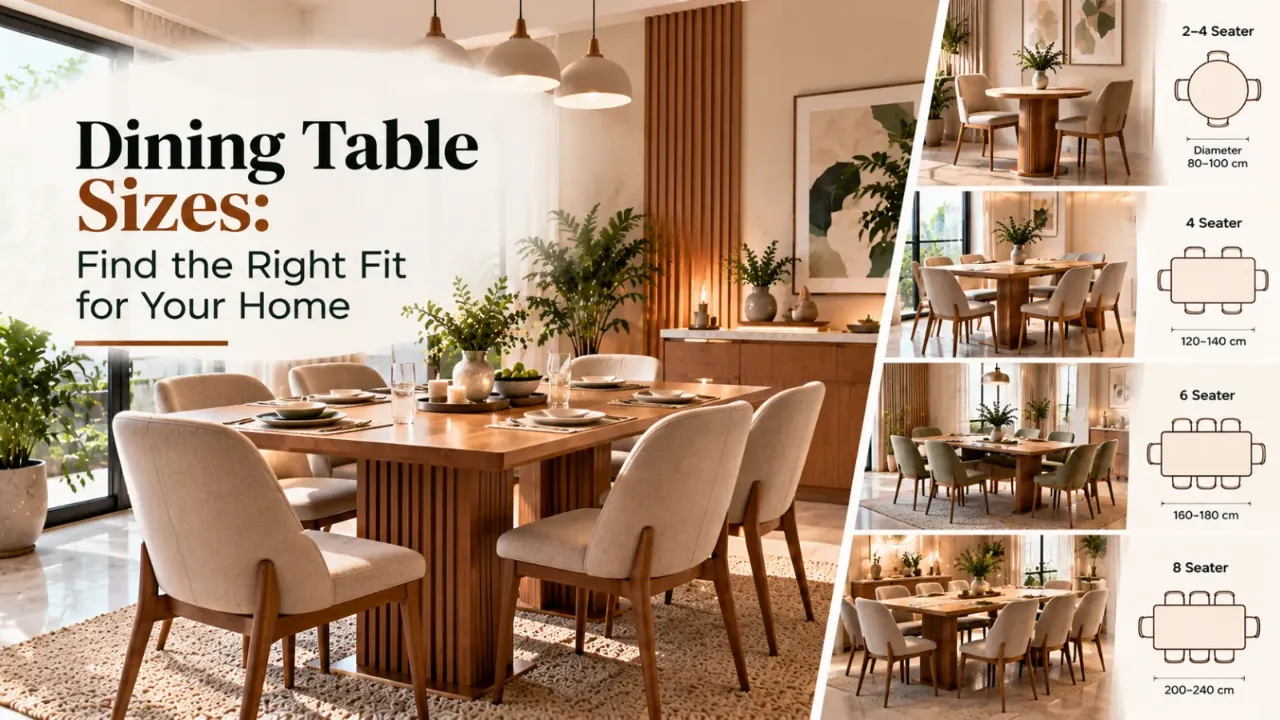
Dining Table Sizes: Find the Right Fit for Your Home
A dining table can look perfect in a furniture showroom and still feel awkward at home. It may be too wide for the room, leave little space to pull out chairs or interrupt the route between the kitchen and living area. Choosing the right table size is therefore about more than the number of people it seats. It is about how the furniture fits the room and how comfortably everyone can use it.
In Indian homes, dining areas range from compact corners in apartments to dedicated rooms designed for family meals and guests. The right table depends on the available floor area, household size, preferred shape and space needed to move around it.
Quick answer: A four-seater table is often a practical starting point for a compact dining area, a six-seater suits many family homes, and an eight-seater is best considered when the room has enough space for both the table and pulled-out chairs. Always measure the room and check circulation before choosing a size.
1. Start With Your Dining Room Measurements
Before browsing furniture, measure the length and width of the dining area. Include the space that people need to walk through, especially if the dining table sits between the kitchen, living room or balcony.
Do not measure only the empty floor area. Consider nearby doors, cabinets, windows, fixed storage and the position of the dining chairs when they are pulled out. A table may fit on paper but still make everyday movement uncomfortable.
As an initial planning guide, try to preserve around 90 cm of clearance around the table where possible. More space may be needed on a busy route or behind chairs that people regularly use. If a wall or cabinet sits directly behind a seat, check how easily someone can sit down and stand up.
2. Table Sizes for Small Dining Areas
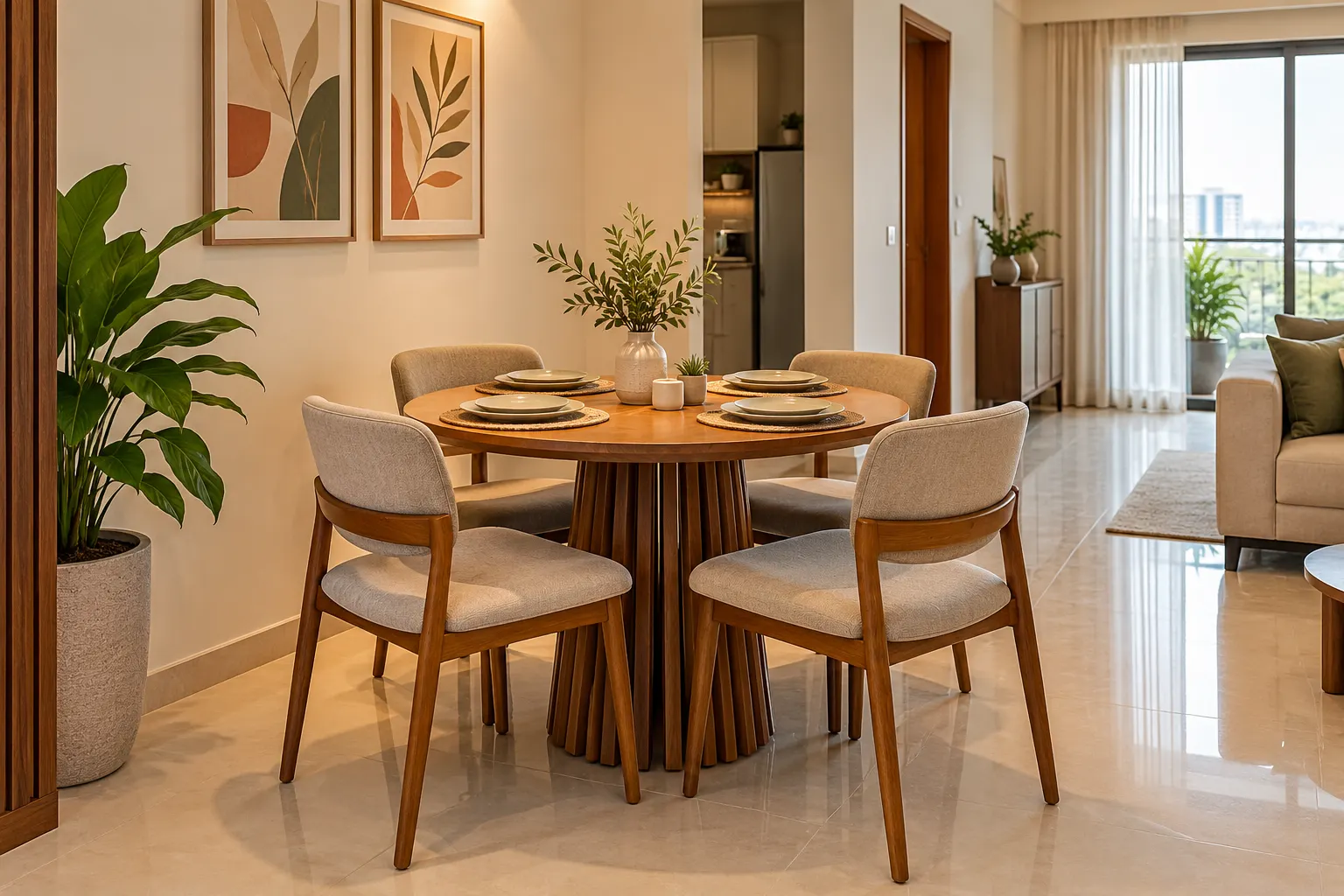
A compact dining nook often benefits from a round table or a small rectangular design. A round table can soften a tight corner and has no sharp corners to navigate, while a rectangular table may fit neatly against a wall when it is not in use.
As a starting point, a round table around 90–110 cm in diameter can work for four people, depending on chair width and place settings. A compact rectangular table around 110–130 cm long may also suit four, although the usable seating space depends on the table's width and leg placement.
Choose chairs that tuck in neatly and avoid bulky armrests if space is limited. If your dining area doubles as a passage, prioritise a layout that leaves a clear route rather than squeezing in a larger table.
3. Choosing a Table for a Medium-Sized Family Home
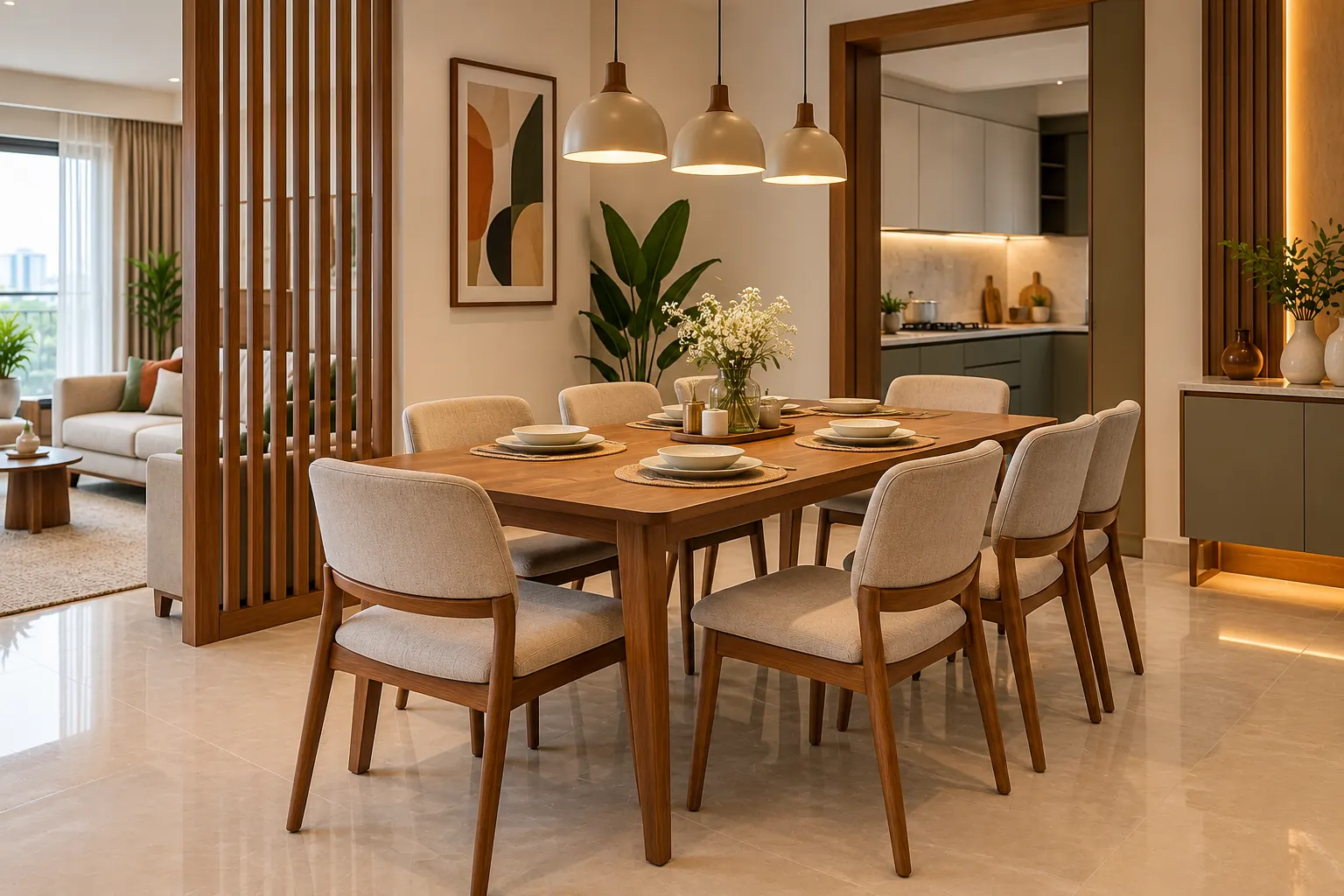
A six-seater is a common option for households that want everyday seating with room for occasional guests. A rectangular table roughly 150–180 cm long is a useful starting range, though the final choice depends on chair dimensions, how many people sit along each side and whether the ends are used regularly.
Round and oval tables are alternatives when you want a softer visual profile. A round table for six generally needs a larger diameter than a four-seater, so measure the complete footprint carefully. An oval table can offer rounded edges while retaining a longer seating arrangement.
Leave enough room for chairs to slide back and for people to pass behind seated diners. If the table shares an open-plan area with the living room, consider how its shape and orientation affect both zones.
4. Table Sizes for Large Dining Rooms
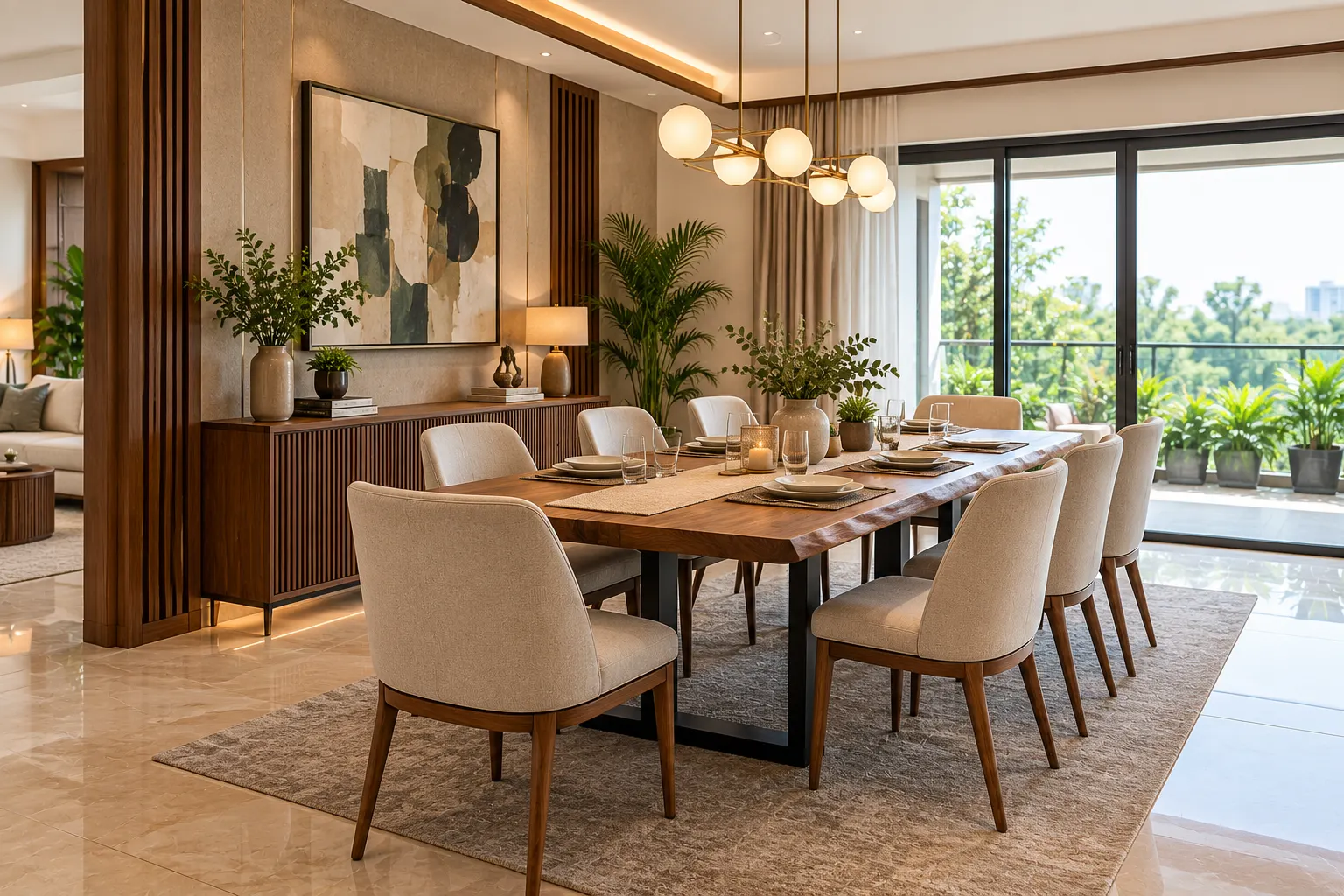
A long table for eight can suit a larger family, frequent entertaining or a dedicated dining room. A rectangular table around 200–240 cm long is a broad starting range for eight seats, but chair width, end seating and the table base can change how many people fit comfortably.
Large tables need generous clearance, not just a large tabletop. Check whether the chairs can be pulled out without hitting a wall, sideboard or another piece of furniture. Consider pendant lighting and rugs in relation to the table footprint, too.
If you host guests only occasionally, an extendable table may be more practical than keeping a very large table in the room all year. The closed configuration should work comfortably for daily meals, with enough space to extend it when needed.
5. Round, Square or Rectangular: Which Shape Works Best?
The best shape depends on the room's proportions and the way people move through it.
- Round tables: Useful in compact or square dining areas and can make conversation feel more inclusive. Check that the diameter is large enough for the required number of place settings.
- Square tables: Can suit a square room or a smaller household. Larger square tables may take up more central floor space than expected.
- Rectangular tables: Often work well in longer rooms and open-plan layouts. They offer a clear orientation but need adequate length and clearance.
- Oval tables: Combine a long seating arrangement with rounded ends, which can help soften a narrow or formal dining layout.
If you are unsure which style suits your home, the Walls to Wonder Interior Style Finder can help you explore a design direction that fits your preferences.
6. Check Chair Space and Table Height
The tabletop is only part of the measurement. Chair width, backrest angle, armrests and leg placement all affect the number of people who can sit comfortably.
A typical dining table is around 74–76 cm high, but check the actual product specifications and pair it with chairs that allow comfortable legroom. Avoid choosing chairs solely by appearance; test how they tuck beneath the table and whether they collide with table legs.
For everyday comfort, allow adequate width per diner rather than packing in extra seats. If children, older family members or people with mobility needs will use the table, pay particular attention to access, stability and chair movement.
7. Plan the Dining Table With the Whole Room
A dining table should work with the room around it. A heavy table can overwhelm a compact interior, while a very small table may look lost in a large dining room. Consider the scale of the chairs, sideboard, light fixture, rug and nearby furniture together.
You can upload a room photo to Walls to Wonder's Design My Room tool to explore possible table styles and finishes. If you are planning multiple rooms or want the dining area to feel connected to the rest of your home, the Whole Home Visualizer can help you explore a coordinated concept from your floor plan. Use these visuals for inspiration and confirm measurements on site before buying furniture.
8. Consider Budget, Material and Everyday Maintenance
Table size affects more than seating. Larger tables can require more material, a heavier base, larger chairs and a bigger rug or light fixture. Solid wood, engineered wood, glass and stone-look surfaces also differ in cost, weight, care and durability.
Think about how the table will be used. A busy family may prefer a surface that is easy to wipe and a sturdy base that does not obstruct legs. If the table needs to move occasionally, consider weight and access through doorways or stairwells.
For a broader home-interior budget, the Walls to Wonder Interior Design Cost Estimate can help you explore an indicative range. Check furniture dimensions, delivery costs, assembly and the retailer's return policy before placing an order.
Planning Your Dining Area?
Explore different table shapes and finishes before making your final choice. A well-proportioned dining table can make everyday meals more comfortable while keeping your home layout practical.
A Final Thought
The right dining table is not necessarily the biggest one that fits on the floor. It is the one that provides enough seating while allowing people to sit, stand and move around comfortably.
Measure the dining area first, choose a shape that works with the room, and assess the full footprint with chairs pulled out. A little planning before purchase can help you create a dining space that feels balanced and works well every day.
Frequently Asked Questions
1. What is a good dining table size for four people?
A round table around 90–110 cm in diameter or a compact rectangular table around 110–130 cm long can be a starting point. Check the actual chair width, place settings and available clearance before buying.
2. What size dining table works for six people?
A rectangular table roughly 150–180 cm long is a useful starting range for six. The exact fit depends on chair dimensions, end seating and the space around the table.
3. How long should a dining table for eight people be?
A rectangular table around 200–240 cm long is a broad starting range. Confirm the seating arrangement and chair widths with the manufacturer's measurements.
4. How much space should be left around a dining table?
Around 90 cm of clearance is a useful planning target where possible. Busy walkways or chairs positioned against walls may need different arrangements, so test the layout at full scale.
5. Is a round dining table better for a small room?
It can be, especially in a compact or square area, because it has no corners and can improve movement around the table. However, its diameter must still suit the number of diners and the room's circulation space.
6. What is the standard height of a dining table?
Many dining tables are around 74–76 cm high. Always check the actual table and chair dimensions together to ensure comfortable legroom and seating.
7. Should I buy an extendable dining table?
An extendable table is worth considering if you need everyday seating for a small household but regularly host more people. Make sure the extended size still leaves usable circulation space.
Turn this idea into a plan for your home
Visualise your space, understand the likely budget, or find a professional who can bring the idea to life.