
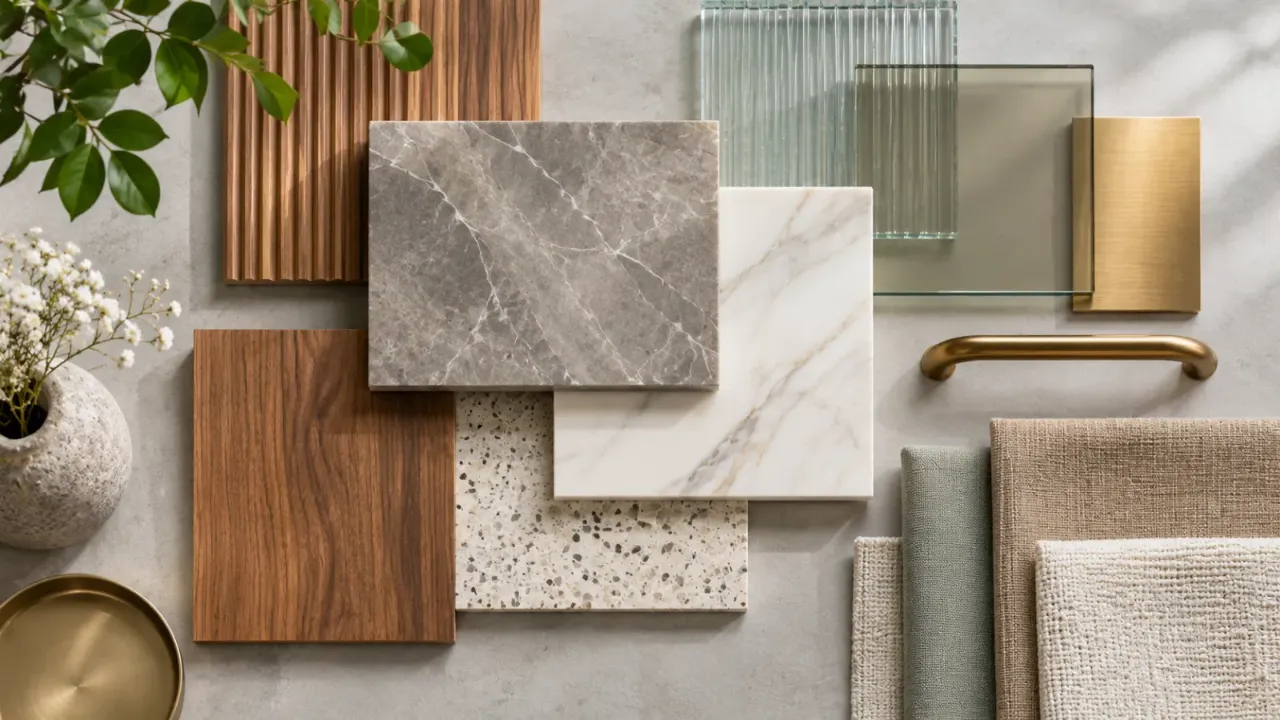
Choosing Interior Materials: Where They Work and Where They Don't
A beautiful interior is not created by colour and furniture alone. The materials used across floors, walls, ceilings, cabinets and furnishings influence how a home looks, feels and functions every day. Some materials bring warmth and character, while others are valued for durability, easy maintenance or cost efficiency.
But no material is perfect for every space. A finish that looks impressive in a living room may be difficult to maintain in a busy kitchen. A surface that is affordable initially may need more frequent repairs or replacement. The right choice depends on where it will be used, how the space is used and what the homeowner expects from it.
This guide explores common interior materials, their uses, advantages and limitations, so you can make more informed decisions before finalising your home interiors.
The right interior material depends on its application, exposure, maintenance requirements and budget. Wood adds warmth, stone offers natural character, tiles provide practical surface options, glass creates visual openness, metal adds strength and detail, while fabrics bring comfort and texture. Each material has limitations that should be considered before installation.
In This Article
- Why Material Selection Matters
- Wood and Wood-Based Materials
- Natural Stone and Engineered Surfaces
- Tiles and Ceramic Surfaces
- Glass and Mirrors
- Metal and Metal Finishes
- Paint, Wallpaper and Decorative Wall Finishes
- Fabrics and Soft Furnishing Materials
- How to Compare Materials
- Common Material Selection Mistakes
1. Why Material Selection Matters
Interior materials affect more than the appearance of a room. They influence its everyday performance, maintenance requirements and long-term value.
The same home may need different materials for different purposes. A family living room may benefit from surfaces that handle regular use, while a bedroom may prioritise comfort and visual warmth. Kitchens and bathrooms need materials that can cope with moisture, cleaning and frequent contact.
Before selecting a material, consider these factors:
- Purpose: What function will the material serve?
- Location: Is it being used in a dry, wet, high-traffic or exposed area?
- Durability: How well can it handle regular use?
- Maintenance: Does it need special cleaning or periodic treatment?
- Appearance: Does its colour, texture and finish suit the overall design?
- Budget: Does the total cost include installation, accessories and upkeep?
A material should be selected for the conditions it will face, not just for how it looks in a sample.
2. Wood and Wood-Based Materials
Wood is widely used in furniture, wardrobes, cabinets, doors, wall panelling and decorative details. Its natural grain and warmth can make interiors feel more inviting.
Common options include solid wood, plywood, MDF and particle board. These are not interchangeable: their strength, moisture resistance, finish compatibility and suitability vary by grade and construction.
Benefits of Wood
- Adds natural warmth and visual character.
- Can be shaped and finished in different ways.
- Works across traditional, contemporary and minimalist interiors.
- Good-quality products can offer long service when properly specified and maintained.
Limitations of Wood
- Solid wood can be relatively expensive.
- Some wood products may swell or deteriorate when exposed to moisture.
- Quality varies significantly by grade, thickness, core and manufacturing.
- Termite protection, edge sealing and suitable hardware may be necessary.
Where it works best: Wardrobes, kitchen cabinetry, furniture, doors, shelving and selected wall features. Choose the specific wood-based product according to the load, moisture exposure and expected use.
3. Natural Stone and Engineered Surfaces
Natural stone, such as granite and marble, is used for flooring, countertops, wall cladding and decorative surfaces. Engineered surfaces are manufactured using a combination of materials to achieve more controlled properties and appearance.
Benefits of Stone Surfaces
- Natural stone offers distinctive patterns and textures.
- Some stones provide good resistance to heat and everyday wear.
- Engineered options can offer more consistent colours and patterns.
- These surfaces can create a refined, substantial appearance.
Limitations of Stone Surfaces
- Natural stone can vary from slab to slab.
- Certain stones are porous and may require sealing.
- Some finishes can stain, scratch or etch depending on the material.
- Premium slabs, fabrication and installation can increase the overall cost.
- Engineered surfaces also have product-specific limitations; heat and impact resistance should not be assumed.
Where it works best: Kitchen counters, flooring, bathroom surfaces, staircases and feature walls. Check the manufacturer's specifications and maintenance guidance before selecting a surface.
4. Tiles and Ceramic Surfaces
Tiles are commonly used in Indian homes because they are available in a wide range of sizes, finishes, colours and patterns. Ceramic and porcelain tiles are used for floors, walls, kitchens and bathrooms.
Benefits of Tiles
- Wide choice of designs and price points.
- Generally easy to clean when correctly installed.
- Many options are suitable for moisture-prone spaces.
- Individual damaged tiles may be replaceable, depending on availability and installation.
Limitations of Tiles
- Glossy finishes can become slippery when wet.
- Grout lines may collect dirt and require cleaning.
- Poor installation can lead to uneven surfaces, hollow sounds or cracking.
- Matching replacement tiles later can be difficult if a design is discontinued.
Where it works best: Living rooms, bedrooms, kitchens, bathrooms, balconies and utility areas. For wet floors, check slip-resistance suitability rather than choosing only by appearance.
5. Glass and Mirrors
Glass is used in partitions, doors, shower enclosures, cabinet shutters, shelves and decorative features. Mirrors can also help reflect light and create a sense of visual depth.
Benefits of Glass
- Allows light to pass through and can make spaces feel more open.
- Offers a clean, contemporary appearance.
- Available in clear, frosted, tinted and textured options.
- Mirrors can visually expand compact rooms.
Limitations of Glass
- Shows fingerprints, dust and water marks.
- Requires careful handling and appropriate installation.
- Incorrect glass specification can create safety risks.
- Large glass panels and customised fittings may increase costs.
Where it works best: Partitions, shower enclosures, wardrobe shutters, display cabinets and selected decorative applications. Use safety-rated glass where required and confirm the correct thickness and fixing system with the installer.
6. Metal and Metal Finishes
Metal is used in furniture frames, handles, railings, lighting fixtures, partitions and decorative accents. Steel, aluminium, brass and other finishes each have different properties.
Benefits of Metal
- Can provide strength for suitable structural and furniture applications.
- Offers a wide range of finishes, from understated to decorative.
- Can complement wood, glass and stone.
- Aluminium is relatively lightweight, while different steel grades can offer high strength.
Limitations of Metal
- Some metals can corrode if the grade or protective finish is unsuitable.
- Scratches and fingerprints may be visible on certain finishes.
- Metal surfaces can feel cold or hard in some applications.
- Custom fabrication and specialised finishes can increase costs.
Where it works best: Hardware, furniture frames, railings, lighting, partitions and decorative details. Match the metal grade and protective coating to the environment, particularly in areas exposed to moisture.
7. Paint, Wallpaper and Decorative Wall Finishes
Paint, wallpaper, laminates and textured coatings are used to change the appearance and character of walls. Each offers a different balance of design flexibility, installation requirements and maintenance.
Benefits of Wall Finishes
- Paint is available in many colours and finish levels.
- Wallpaper can introduce patterns and textures without complex construction.
- Decorative finishes can create a focal point.
- Many wall treatments can update a room without replacing major furniture.
Limitations of Wall Finishes
- Paint may need touch-ups or repainting over time.
- Wallpaper can peel if the wall preparation or installation is poor.
- Some textured finishes are harder to clean.
- Moisture and wall dampness can damage many decorative treatments.
Where it works best: Living room feature walls, bedrooms, hallways and selected dry areas. Resolve dampness and surface defects before applying any finish, and follow product-specific cleaning instructions.
8. Fabrics and Soft Furnishing Materials
Fabrics add comfort, colour and texture through curtains, upholstery, cushions, rugs and bedding. Cotton, linen, polyester, velvet and blended fabrics are common choices.
Benefits of Fabrics
- Adds softness and warmth to a room.
- Offers extensive choices in colour, pattern and texture.
- Can improve comfort and help control light when used in curtains.
- Covers and accessories can be changed more easily than fixed finishes.
Limitations of Fabrics
- Some fabrics attract dust or require frequent cleaning.
- Certain materials can fade in direct sunlight.
- Delicate fabrics may need specialist care.
- Upholstery performance depends on fabric construction, backing and usage.
Where it works best: Sofas, chairs, curtains, cushions, rugs and bedroom furnishings. Consider cleaning needs, sunlight exposure, pets and everyday activity before selecting a fabric.
9. How to Compare Materials Before Finalising Them
Instead of choosing each material separately, compare options against the actual requirements of the space.
- Performance: Is it suitable for the location and intended use?
- Maintenance: What cleaning products and care routines are required?
- Installation: Does it need skilled labour, special adhesives or a particular base?
- Compatibility: Will it work with adjoining materials, fittings and hardware?
- Availability: Can the same product or a matching replacement be sourced later?
- Total cost: Have wastage, transport, installation, finishing and maintenance been considered?
- Safety: Are relevant slip, fire, glass or indoor-use specifications appropriate?
Ask for physical samples where possible. Check them under the lighting conditions of the actual room, and review the product specifications rather than relying only on a showroom display.
Compare samples side by side with your flooring, wall colours and furniture finishes. A material that looks attractive on its own may appear very different when placed next to other elements in the room.
10. Common Material Selection Mistakes to Avoid
Even attractive materials can become unsuitable when important practical details are overlooked.
- Selecting a material only because it looks premium.
- Using moisture-sensitive products in wet or damp areas without suitable protection.
- Ignoring slip resistance for flooring.
- Choosing a finish without understanding its cleaning requirements.
- Comparing prices without checking thickness, grade, warranty and installation scope.
- Mixing too many unrelated textures and finishes.
- Not checking sample variations between batches.
- Failing to confirm who is responsible for installation, sealing and finishing.
A well-planned material palette should balance appearance, performance and maintenance rather than prioritising one factor alone.
Explore Your Interior Ideas With Walls to Wonder
Once you understand the materials and finishes that suit your space, the next step is to visualise how they work together. Walls to Wonder offers tools that can help you explore room concepts, coordinate ideas and review parts of your interior planning.
- Design My Room – Explore room concepts, finishes and furniture combinations.
- Whole Home Visualizer – Explore coordinated design concepts across your home.
- Interior Design Cost Estimate – Get an indicative estimate to support your interior budget planning.
- Interior Quotation Checker – Review quotation scope, materials, charges and exclusions.
Final Thought
Interior materials shape the everyday experience of a home. Wood can add warmth, stone can bring character, tiles can offer practical surfaces, glass can improve visual openness and fabrics can make a room feel comfortable. Each also comes with limitations that need to be understood before installation.
The best material is not necessarily the most expensive or fashionable one. It is the material that suits the space, performs reliably under its expected conditions and fits the homeowner's maintenance preferences and budget. Thoughtful selection at the planning stage can help avoid unnecessary replacements and create interiors that remain practical as well as attractive.
Frequently Asked Questions
1. What are the most commonly used materials in interior design?
Common interior materials include wood and wood-based boards, natural stone, engineered surfaces, tiles, glass, metal, paint, wallpaper and fabrics. Their suitability depends on the application and conditions of the space.
2. Which interior materials are easiest to maintain?
Some finished tiles, suitable laminates and selected engineered surfaces can be relatively easy to maintain. However, cleaning requirements vary by product, finish, installation and usage.
3. Are natural materials always better than manufactured materials?
Not necessarily. Natural and manufactured materials have different properties, costs and maintenance needs. The better choice is the one that meets the requirements of the specific application.
4. What should I check before buying interior materials?
Check the product grade, specifications, intended application, durability, maintenance requirements, installation method, warranty, availability and total installed cost.
5. How can I choose materials for a small home?
Prioritise materials that suit the room's usage, are practical to maintain and work well together visually. Consider lighter finishes where appropriate, but do not compromise on safety or performance.
Turn this idea into a plan for your home
Visualise your space, understand the likely budget, or find a professional who can bring the idea to life.