

Can You Tile Over Old Tiles? A Safety Checklist for Indian Homes
Replacing old flooring can make a room feel cleaner, brighter and more contemporary. But when the existing tiles are still in place, one question often comes up: do you really need to remove them before installing new ones?
In some homes, laying new tiles over old tiles is a practical renovation option. It can reduce demolition work, limit debris and avoid some of the disruption associated with removing an existing floor. However, it is not automatically the quicker, safer or cheaper choice.
The outcome depends on how firmly the original tiles are attached, whether moisture problems exist, the condition of the underlying surface and how the extra floor height affects the room.
Before deciding to tile over an existing floor, inspect the surface and resolve any underlying problems that a new layer of tiles cannot fix.
Here is a practical checklist to follow before the renovation begins.
1. Understand What Tiling Over Existing Tiles Involves
Tile-on-tile installation involves fixing a new layer of tiles over an existing tiled surface using an appropriate bonding system. Instead of removing the old finish, the installer prepares it to receive the new one.
This approach can work on a sound, stable and suitably prepared surface. However, the new tiles depend on the existing tiles—and the material beneath them—for support.
If the original tiles are loose, hollow, moving or affected by moisture, covering them will not solve the underlying problem. It may simply conceal it until the new finish begins to fail.
The important principle is simple: a new layer should never be used to hide a surface that has not been properly assessed.
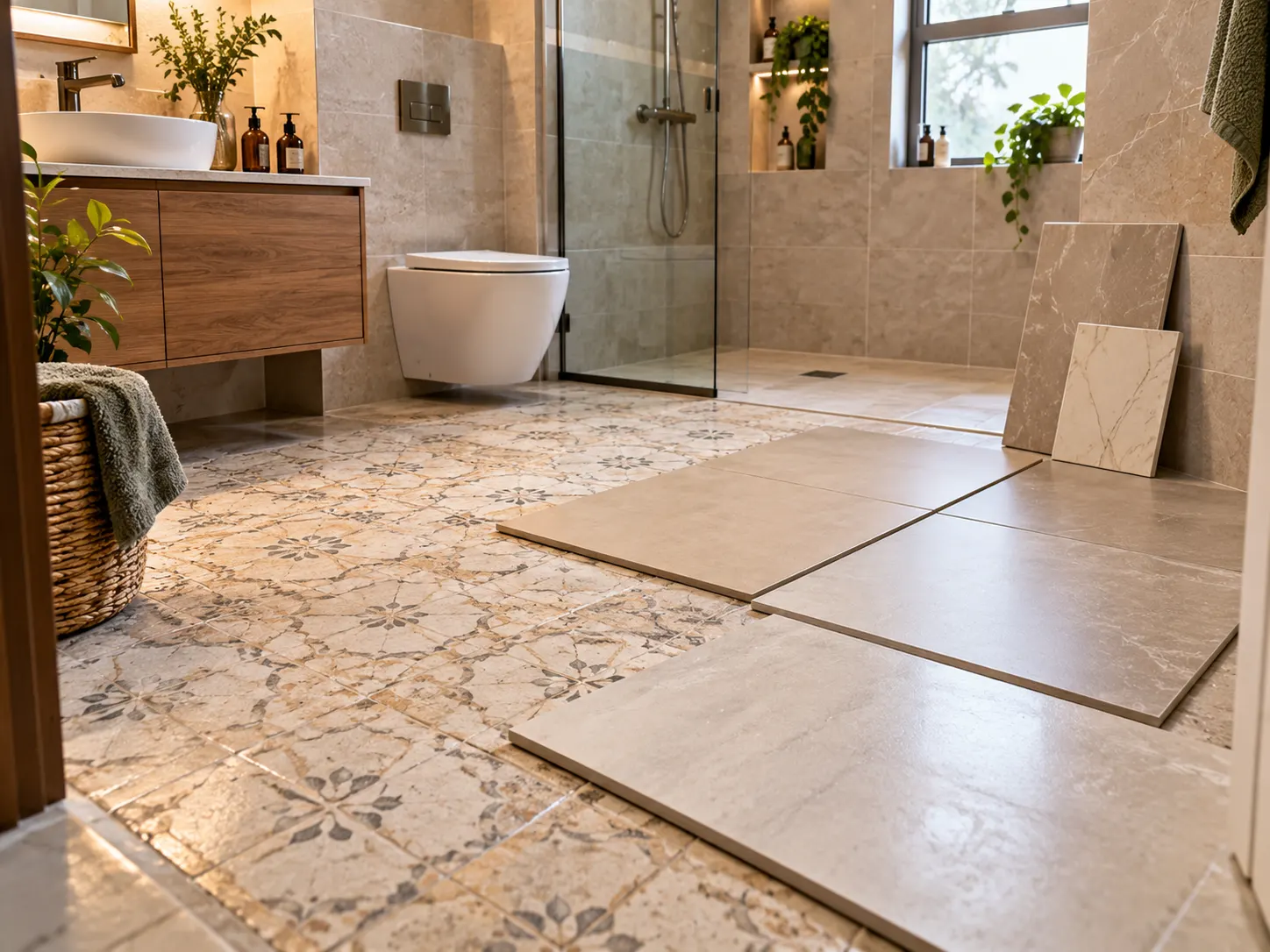
2. Check Whether the Existing Tiles Are Firmly Attached
Start by examining the entire area, not just the tiles that are easiest to reach.
Look for visible cracks, loose corners, chipped edges, damaged grout and tiles that move when pressure is applied. Tapping tiles may help identify hollow-sounding areas, although the sound alone is not a definitive diagnosis.
A few isolated defects may be repairable, depending on their cause and extent. Widespread hollow or loose tiles, recurring cracks or signs that the substrate is moving are more serious warning signs.
Also check whether the floor feels uneven or has settled. A new tile layer will not correct an unstable base simply because the surface looks fresh.
If tiles are lifting, large cracks are appearing repeatedly, or many areas sound hollow, have the existing floor assessed before proceeding.
3. Rule Out Leaks and Waterproofing Problems
This check is particularly important in bathrooms, utility areas, balconies and other places exposed to water.
Look for recurring damp patches, persistent musty smells, unexplained staining, water seepage near adjoining walls or damage around floor drains. These signs do not always identify the exact source, but they deserve investigation.
In a bathroom, the visible tiles are only part of the system. Water management also depends on the condition of the waterproofing, joints, plumbing and connections around drains and fixtures.
Adding a new layer of tiles does not repair failed waterproofing. It can make the original problem more difficult to access and diagnose later.
Do not cover a damp or leaking surface with new tiles. Identify and address the underlying cause first. Where the existing waterproofing has failed, removing the tiles and completing corrective work may be necessary.
If moisture keeps returning, the source is unclear or the damage is extensive, get a suitable professional to investigate before proceeding.
4. Make Sure the Surface Can Accept the New Tiles
Old tiles are often smooth, dense and relatively non-absorbent. A bonding material intended for a conventional porous substrate may not be suitable for this type of surface.
The installer must select a tile adhesive or bonding system specifically suitable for the existing finish and the new tiles. The manufacturer's instructions should determine whether the surface needs cleaning, abrasion, a compatible primer or other preparation.
Grease, soap residue, dust, cleaning products and loose grout can all interfere with bonding. These contaminants need to be addressed before installation.
Do not assume that applying ordinary cement slurry over glossy tiles is an adequate substitute for proper preparation and a compatible adhesive system.
The choice of bonding material also depends on the type and size of the new tiles, the location, exposure to moisture and the surface conditions.
5. Check the Additional Floor Height
One of the most easily overlooked consequences of tile-on-tile installation is the finished floor level.
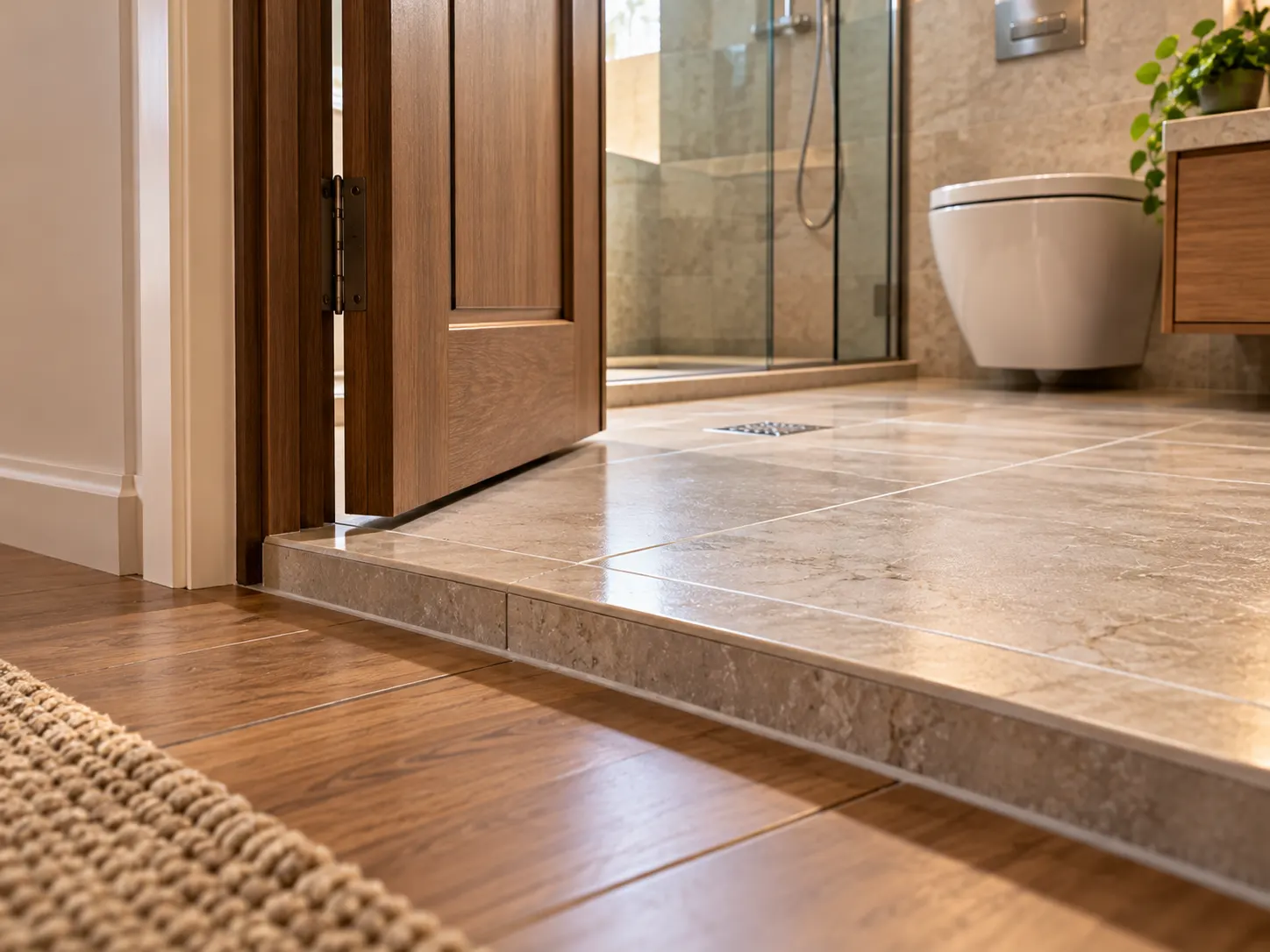
The original tiles remain in place, and the new tiles and adhesive add another layer. The exact increase depends on the materials and installation method, but even a modest change can affect adjoining spaces.
Before the work begins, check the following:
- Doors: Will the bathroom or room door still open freely without scraping the floor?
- Thresholds: Will the transition between rooms become an uncomfortable or unsafe step?
- Adjacent flooring: Will the new surface sit significantly higher than the flooring outside the room?
- Fixed fittings: Could the change affect skirting, cabinetry or other elements that meet the floor?
- Toilets and plumbing: Will the finished level affect fixture connections, drain access or maintenance?
These details should be considered before buying tiles, not after installation has started. In some cases, the height difference alone may make removing the old tiles the more sensible option.
6. Pay Special Attention to Bathroom Slope and Drainage
A bathroom floor must direct water towards its intended drainage points. A new layer should not create flat spots, reverse the fall of the floor or leave water collecting near corners and thresholds.
The installer needs to assess the existing slope, the height of the drain grate and the finished level of the proposed new surface. Shower areas deserve particular attention because poor drainage can leave water standing where it should flow away.
Door clearances and the threshold also matter. Raising the floor may change how water is contained within the bathroom, especially where the surrounding floor is lower.
If the existing slope or drainage arrangement is already defective, overlaying tiles is not a substitute for correcting it. Depending on the conditions, removing the original finish and rebuilding the floor may be necessary.
7. Plan the Installation Instead of Simply Covering the Old Pattern
A good result depends on more than selecting attractive new tiles.
The installer should inspect the surface, remove contaminants, address any local defects that are suitable for repair, and follow the chosen adhesive system's instructions. The new layout should also be planned around cuts, doorways, edges, drain openings and existing movement joints.
Movement joints are there to accommodate movement in the construction. They should not simply be bridged or hidden without following the appropriate installation requirements.
Pay attention to grout lines and edge finishing too. Poorly planned cuts, uneven edges or badly finished transitions can make a newly renovated floor look unfinished even when the tile choice itself is excellent.
Ask the installer to explain the preparation and bonding method before work begins. The aim is to establish a reliable base for the new finish, not merely to cover the old one.
8. When Is Tiling Over Old Tiles a Reasonable Option?
Tile-on-tile installation may be worth considering when the existing tiles are firmly bonded, the supporting substrate is stable, there is no unresolved moisture or waterproofing problem, and the floor height can accommodate the additional layer.
It can be particularly useful when avoiding extensive demolition is a priority and all technical conditions are suitable.
However, it is not the right choice simply because the old tiles are inconvenient to remove. The decision should be based on the condition of the existing installation and the requirements of the new one.
9. When Should You Remove the Existing Tiles?
Removal is generally the more appropriate direction when the current installation is unstable or when the underlying construction needs attention.
Consider removal and further assessment if:
- Many existing tiles are loose, hollow or lifting.
- Cracks suggest movement in the substrate rather than isolated damage to the finish.
- There are unresolved leaks, dampness or failed waterproofing.
- The floor is significantly uneven or has an unsuitable slope.
- The additional height would interfere with doors, thresholds, fixtures or drainage.
- The existing build-up or installation conditions are unsuitable for another layer.
Removing the tiles creates an opportunity to inspect and correct the underlying surface. It also involves demolition, debris disposal and additional preparation, so its full scope should be included in the renovation plan.
10. Is Tiling Over Existing Tiles Cheaper?
It can reduce demolition labour, rubble removal and some disruption. But that does not guarantee a lower total cost.
The overall price still depends on surface preparation, adhesive and primer requirements, the new tiles, installation labour, edge finishing, threshold adjustments and any necessary repairs.
If the old surface is unsuitable or height changes require additional work, the apparent savings may disappear. Conversely, where the existing floor is sound and compatible with a proper overlay system, avoiding removal may be a sensible choice.
Compare the complete scope of both approaches rather than just the initial installation price. Ask the contractor to itemise preparation, materials, labour, disposal and any adjustments required.
A Practical Checklist Before You Approve the Work
Before making the final decision, confirm that you have:
- Checked that the existing tiles and substrate are stable and firmly bonded.
- Investigated cracks, loose areas, leaks and moisture problems.
- Confirmed that the proposed adhesive or bonding system is suitable for the surface and new tiles.
- Checked that the finished floor height will not create door, threshold or fixture problems.
- Had bathroom slope, drain levels and waterproofing assessed where relevant.
- Agreed on how edges, grout joints and movement joints will be handled.
- Asked the contractor to explain the preparation process and include it in the quotation.
If any of these points remain uncertain, resolve them before the new tiles cover the existing floor.
You do not need to perform every technical check or repair yourself. The aim is to recognise potential problems early and ensure that they are assessed by the right professional before work proceeds.
Plan Your Renovation With Walls to Wonder
Flooring does not work in isolation. A change in floor level can affect doors, adjoining rooms, bathroom fittings and the way water moves through the space.
If you are planning a broader home renovation, start with the Walls to Wonder Interior Design Cost Estimator to help organise your budget, or explore the Walls to Wonder designers directory for professional support with interior planning.
Design tools can help you plan the appearance and budget of a renovation, but they cannot diagnose loose tiles, failed waterproofing or structural damage. Have these issues assessed on site before deciding on the installation method.
Final Thought
Laying new tiles over old ones can be a sensible renovation method—but only when the existing surface is a reliable foundation. Stable tiles, compatible bonding materials, sound moisture protection and careful planning around floor height and drainage are essential.
Do not choose tile-on-tile installation just to avoid demolition. First establish whether the existing floor is suitable to remain. That decision is what helps a new finish remain practical, safe and attractive over time.
The best tile upgrade starts with checking what is already beneath your feet.
Frequently Asked Questions
1. Can you lay new tiles directly over old tiles?
Yes, in suitable conditions. The existing tiles must be firmly bonded, the substrate stable, and the surface properly prepared for a compatible adhesive system. Loose tiles, movement or unresolved moisture problems need to be addressed first.
2. Is tiling over old tiles safe in a bathroom?
It can be suitable, but bathrooms need additional checks. Waterproofing, leaks, floor slope, drain height and the finished level at the doorway must all be considered. An overlay will not repair failed waterproofing or incorrect drainage.
3. Do old tiles need to be roughened before new tiles are installed?
Not in every case. The preparation method depends on the existing finish and the selected bonding system. Follow the adhesive manufacturer's instructions, including any requirements for cleaning, abrasion or primer.
4. Will tiling over old tiles make the floor too high?
It can. The new tile and adhesive layer increases the finished floor height, which may affect doors, thresholds, adjoining flooring, skirting and fixtures. Measure these clearances before installation.
5. Is laying tiles over existing tiles cheaper than removing them?
It may be, because demolition and disposal can be reduced. However, savings depend on preparation, materials, labour, edge finishing and any adjustments required. Compare complete quotations for both methods.
6. When should old tiles definitely be removed?
Removal is often necessary when the existing installation is unstable, the substrate is damaged, waterproofing has failed, the floor needs significant correction, or the added height would create unacceptable problems. A site assessment can determine the appropriate scope of work.
Turn this idea into a plan for your home
Visualise your space, understand the likely budget, or find a professional who can bring the idea to life.