
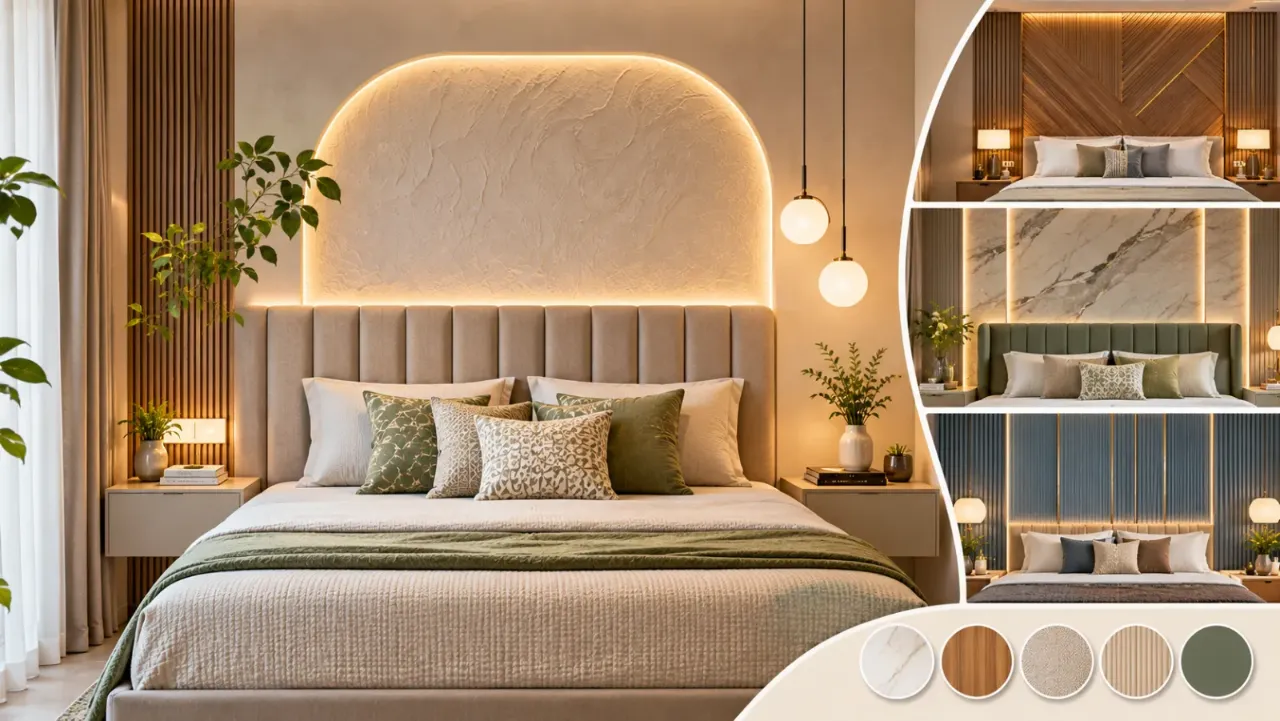
Bed Back Wall Design: Materials, Panels and Lighting Ideas
The wall behind the bed is often the first thing people notice when they enter a bedroom. It frames the bed, establishes the room's visual focus and creates an opportunity to introduce texture, colour and lighting. A thoughtfully designed bed back wall can make a simple bedroom feel more complete without requiring decorative treatment on every surface.
However, choosing a design involves more than selecting an attractive panel or finish. The material should suit the bedroom's size, the height of the bed, the overall interior style and the amount of maintenance you are comfortable with. Lighting also needs careful planning so that decorative features do not create glare or interfere with everyday use.
1. Start with the Bed and Wall Proportions
Before selecting a finish, consider the relationship between the bed, headboard and available wall space. A panel that looks impressive in a large bedroom may overwhelm a compact room. Similarly, a narrow decorative strip behind a wide bed can make the wall appear unfinished.
- Bed width: Decide whether the treatment should match the headboard width or extend beyond it to frame the bedside tables.
- Wall height: Consider the ceiling height and whether a full-height treatment will make the room feel too enclosed.
- Headboard height: The wall treatment should complement the headboard rather than compete with it.
- Bedside furniture: Leave enough space for bedside tables, switches and reading lights.
- Other bedroom elements: Coordinate the finish with wardrobes, flooring, curtains and ceiling details.
A useful starting point is to make the bed the centre of the composition and plan the wall treatment around it.
2. Choose a Material That Suits Your Bedroom
The material has a major influence on the appearance, comfort and maintenance of the bed back wall. Some finishes create warmth and texture, while others provide a softer backdrop or a cleaner, more minimal appearance.
Wooden Panels
Wooden panels bring natural warmth and visual depth to a bedroom. They work well in contemporary, modern, minimalist and classic interiors. You can consider veneer panels, engineered wood finishes or decorative wood-look surfaces, depending on the budget and expected use.
- Match the wood tone with the bed frame, flooring or bedside furniture.
- Use vertical panels to create a sense of height.
- Check the veneer or laminate finish for scratch resistance and cleaning requirements.
- Avoid excessive wood detailing if the wardrobe and flooring already have strong grain patterns.
Upholstered Panels
Upholstered panels offer a softer surface behind the bed and can create a comfortable headboard extension. Fabric, suede-like finishes and other upholstery materials can introduce colour and texture without making the wall feel visually heavy.
- Choose fabrics that are easier to vacuum and maintain.
- Ask about stain resistance, especially in frequently used bedrooms.
- Use suitable backing and secure fixing methods.
- Consider whether the upholstery can be removed or replaced later.
Fluted Panels
Fluted panels create a repeating vertical or curved texture. They are useful when you want the bed wall to have depth without introducing several different materials. They can be made using wood-based materials, decorative boards or other suitable panel systems.
- Use fluting selectively rather than covering every surface.
- Check how dust will collect in the grooves.
- Keep the spacing and profile consistent.
- Coordinate the panel colour with the rest of the bedroom.
Painted Walls and Textured Finishes
A painted wall is one of the simplest ways to create a distinct bed backdrop. A contrasting shade, subtle colour blocking or a textured paint finish can define the area without adding bulky elements. Consider muted greens, soft greys, warm neutrals, earthy browns or deeper accent colours, depending on the room's natural light and furniture.
- Test paint samples under both daylight and artificial lighting.
- Select a finish that can be cleaned or touched up easily.
- Avoid overly busy textures in small bedrooms.
- Use a restrained colour contrast if the bedding and furniture already have strong patterns.
Stone and Stone-Look Finishes
Stone, marble-look surfaces and textured decorative slabs can create a more dramatic bed wall. They are particularly suitable for bedrooms with a restrained material palette. However, these finishes can add weight, cost and installation complexity.
- Confirm the wall's suitability for the selected material.
- Check the fixing system and installation requirements.
- Plan joints and slab alignment before execution.
- Avoid overly reflective surfaces directly behind the bed if they create distracting light reflections.
3. Explore Different Panel Layouts
The panel arrangement is just as important as the material. Even a simple finish can look distinctive when the proportions and layout are planned properly.
Full-Width Headboard Panel
A full-width panel extends across the wall behind the bed, often including the bedside tables. It creates a continuous visual frame and makes the bed area feel connected. This works particularly well when the bed is centred on a feature wall.
Vertical Panels
Vertical panels can make the wall appear taller and introduce a structured appearance. They work well with wood, fluted finishes and upholstered sections. Use consistent spacing and avoid mixing too many panel profiles.
Geometric Panel Designs
Geometric layouts use rectangles, squares or moulding details to create a decorative pattern. They can suit classic, transitional and contemporary bedrooms. Keep the pattern proportionate to the bed and avoid placing decorative lines where they interfere with switches or fixtures.
Floating or Layered Panels
Layered panels combine two or more depths or finishes to create dimension. For example, a central upholstered section can sit against a larger wooden or painted backing panel. This approach can look sophisticated, but the design should remain easy to clean and should not reduce usable bedside space.
4. Plan Lighting Around the Bed Wall
Lighting can make the bed back wall more functional and visually interesting. Rather than relying on a single decorative fixture, consider how different light sources will be used.
Cove or Concealed LED Lighting
Concealed LED strips can create a soft glow around a floating panel, behind an upholstered headboard or along a recessed detail. They are useful for ambient lighting, especially when you want a gentle evening atmosphere. Plan access to the LED driver and ensure that the strip is not directly visible from the bed.
Bedside Pendant Lights
Pendant lights can replace conventional bedside lamps and free up table space. Their placement should be coordinated with the bed width, bedside tables and the height of the people using the room. Ensure that the fixtures do not obstruct movement or create uncomfortable glare.
Wall-Mounted Reading Lights
Adjustable reading lights are a practical choice for people who read in bed. They provide focused illumination without needing the entire bedroom to be brightly lit. Choose fixtures with directional control and position them so that the light falls on the reading area rather than directly into someone's eyes.
Backlit Panels
Backlit panels use concealed lighting to highlight the edges or surfaces of the wall treatment. They work particularly well with layered panels and textured finishes. Keep the brightness controlled. The objective is to highlight the design, not make the wall excessively bright.
5. Combine Materials Without Making the Wall Look Busy
Using multiple materials can add depth, but too many finishes can make the bed wall feel cluttered. A practical approach is to select one dominant material and one supporting finish.
- Wood and upholstery: Natural warmth with a softer headboard surface.
- Paint and fluted panels: A restrained colour backdrop with a textured central section.
- Stone-look finish and wood: A more dramatic focal point balanced by a natural material.
- Upholstery and concealed lighting: A soft, understated design with gentle illumination.
Try to repeat at least one material or colour elsewhere in the bedroom so that the wall feels connected to the overall interior.
6. Coordinate the Wall Design with the Headboard
The headboard and wall treatment should be planned together. If both have strong patterns, deep textures or contrasting colours, they may compete visually.
- A plain upholstered headboard against a textured wooden wall.
- A low headboard with a taller, simple panel behind it.
- A wide upholstered headboard with narrow vertical panels on either side.
- A simple wooden headboard against a painted accent wall.
The headboard should remain comfortable to lean against, and its height should be decided before finalising the panel layout.
7. Plan Electrical Points Before Installing Panels
Electrical planning is one of the most important practical steps in bed back wall design. Once the panels are installed, changing wiring or switch positions can become difficult and expensive.
Before execution, confirm:
- Switchboard positions on both sides of the bed.
- Separate controls for bedside and ambient lighting.
- Power points for phone chargers and other bedside devices.
- Wiring routes for concealed LED strips.
- Driver locations and maintenance access.
- Wall-light mounting points and fixture heights.
Do not allow decorative panels to cover essential switches or make electrical connections inaccessible. Coordinate the lighting and panel drawings with the electrician and carpenter before installation.
8. Consider Cleaning and Long-Term Maintenance
A bed back wall is not just a decorative surface. It needs to remain practical over time.
- Wood and laminate: Wipe with a suitable soft cloth and follow the manufacturer's cleaning guidance.
- Upholstery: Vacuum periodically and follow the fabric-care instructions.
- Fluted surfaces: Clean grooves regularly because dust can settle in recessed sections.
- Painted walls: Choose a suitable washable finish where everyday contact is expected.
- Stone and decorative slabs: Use cleaning products appropriate for the specific material and its finish.
If the bedroom is used daily, choose materials based on how they will age and how easily they can be maintained, not just how they look in a sample.
9. Common Bed Back Wall Design Mistakes
Even an attractive concept can become inconvenient when practical details are overlooked.
- Using too many materials: Combining several panel styles, colours and textures can make the wall visually confusing. Limit the palette.
- Ignoring the bed's proportions: A feature wall that is too narrow or too tall can make the composition feel unbalanced.
- Choosing decorative lighting only: Decorative lights may look good but may not provide enough illumination for reading or everyday use.
- Forgetting electrical access: Hidden drivers, switches and connections should remain accessible for maintenance.
- Selecting difficult-to-clean finishes: Deep grooves, delicate fabrics and complicated detailing may require more upkeep than expected.
- Copying a reference without checking the room: A design that works in a large bedroom may not suit a compact room with different ceiling heights or bedside clearances.
10. Final Checklist Before Approving Your Bed Back Wall
Before sending the design for execution, review these details:
- The panel width and height suit the bed and wall proportions.
- The material complements the flooring, wardrobe and furniture.
- The headboard and wall treatment work together.
- Lighting positions and brightness have been planned.
- Switchboards and charging points remain accessible.
- LED drivers and electrical connections can be serviced.
- The selected finish is suitable for everyday cleaning.
- Installation details and material specifications are clear.
- The design fits the approved budget.
Final Thoughts
A well-designed bed back wall does not need elaborate detailing or expensive materials. The most successful designs usually have a clear focal point, a balanced material combination and lighting that supports everyday use.
Start with the bed's proportions, select a finish that suits the room and plan the electrical details before installation. Whether you choose wood, upholstery, fluted panels, paint or a layered combination, the goal is to create a bedroom backdrop that feels considered, comfortable and easy to maintain.
Frequently Asked Questions
1. Which material is best for a bed back wall?
There is no single best material. Wood works well for warmth, upholstery adds softness, fluted panels introduce texture and paint offers a simple, budget-conscious finish. Choose according to the bedroom's style, maintenance needs and budget.
2. Are fluted panels suitable for a bedroom?
Yes. Fluted panels can create visual depth and a sense of height. However, their grooves need regular cleaning, so consider the profile and material before selecting them.
3. Is backlighting necessary behind a bed?
No. Backlighting is an optional decorative and ambient feature. A well-positioned reading light or bedside pendant may be more useful if you need functional illumination.
4. Should the bed back panel extend across the entire wall?
Not necessarily. It can match the bed width, extend to include bedside tables or cover the full wall. The right choice depends on wall proportions, furniture placement and the desired visual effect.
5. How do I make a small bedroom bed wall look attractive?
Use a simple material palette, restrained panel detailing and soft indirect lighting. Avoid heavy projections or too many contrasting finishes, and keep bedside access clear.
6. When should lighting and electrical points be finalised?
They should be finalised before panel fabrication and installation. This allows the electrician and carpenter to coordinate wiring, switches, fixtures and access to LED drivers.
Explore More with Walls to Wonder
Planning your bedroom interiors? Use Walls to Wonder's AI tools to explore design possibilities, understand costs and review your ideas before execution.
- Whole Home Visualizer – Explore how different interior styles can work across your home.
- Design My Room – Visualise ideas for your bedroom and other spaces.
- Interior Design Cost Estimate – Get an initial understanding of your interior budget.
- Interior Quotation Checker – Review and understand your interior quotation.
- Rate My Room Design – Get feedback on your room design.
- Interior Style Finder – Discover an interior style that suits your preferences.
Discover more at Walls to Wonder.
Turn this idea into a plan for your home
Visualise your space, understand the likely budget, or find a professional who can bring the idea to life.