
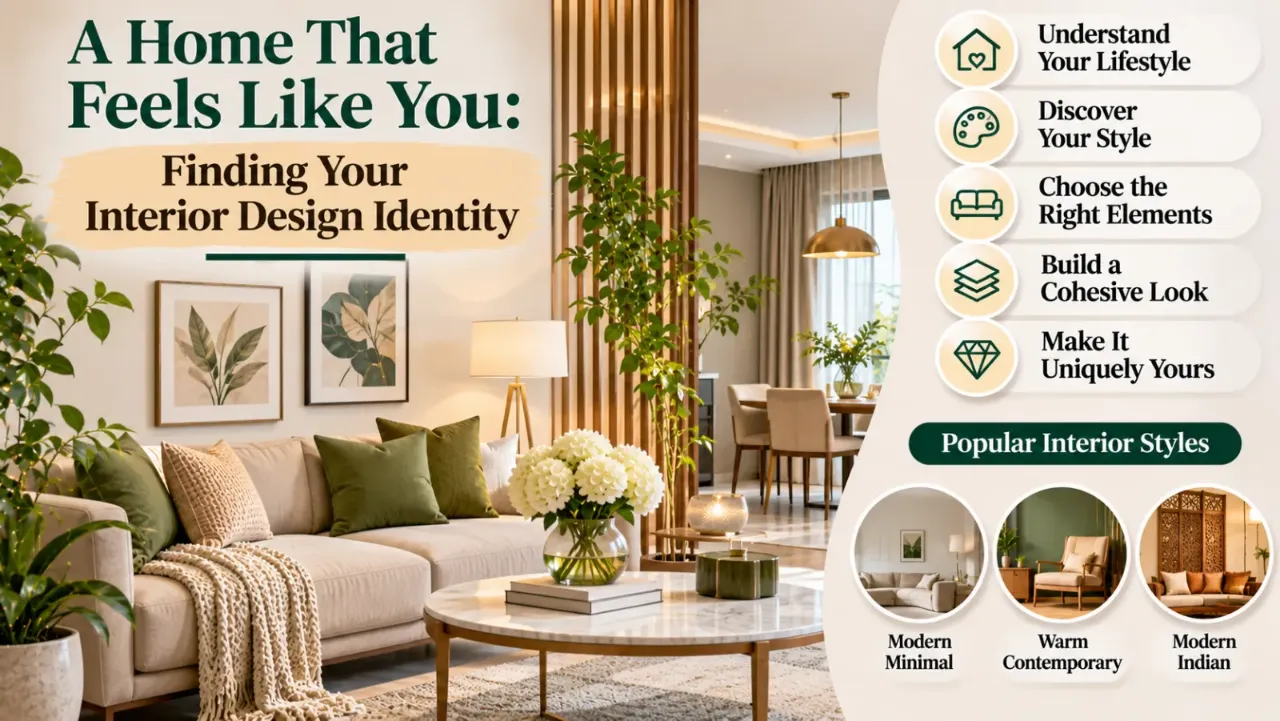
A Home That Feels Like You: Finding Your Interior Design Identity
A home can look beautifully designed and still feel disconnected from the people living in it. Perhaps the living room follows a minimalist theme, the bedroom feels traditional, and the kitchen has a completely different visual character. Individual choices may look attractive, but without a common direction, the overall home can feel unfinished.
This is where branding and interior design come together. In a home, branding is not about displaying a logo or following a commercial identity. It is about creating a recognisable design language through colours, materials, furniture, lighting, textures and personal details. These elements communicate something about the people who live there.
Choosing the right style does not mean selecting a popular trend and repeating it in every room. It means understanding your preferences, daily routines, practical requirements and the atmosphere you want your home to create.
Here is how to find that direction and turn it into a space that feels personal, cohesive and comfortable.
1. Understand What Interior Branding Means at Home
Interior branding is the process of giving a space a consistent visual and emotional identity. For a homeowner, this identity can come from a preferred colour family, a love of natural materials, a particular design period or a combination of details that feel familiar.
Think about what you want your home to communicate. Should it feel calm and understated, warm and welcoming, refined and formal, or expressive and creative? There is no single correct answer.
Start by identifying three words that describe the atmosphere you want. For example:
- Calm, natural and uncluttered
- Warm, traditional and welcoming
- Modern, structured and sophisticated
- Colourful, creative and relaxed
These words can become a simple reference point when making design decisions. If a proposed finish or furniture piece does not support the atmosphere you have chosen, reconsider whether it belongs in the plan.
2. Identify Your Personal Design Preferences
Before selecting a style, separate what you genuinely like from what you have recently seen online. Inspiration photographs are useful, but saving too many unrelated images can make the decision harder.
Review the rooms, hotels, homes and materials that appeal to you. Look for recurring details rather than focusing only on the overall appearance.
Notice whether you repeatedly prefer:
- Light or dark colour palettes
- Clean lines or decorative detailing
- Natural wood or polished finishes
- Soft textures or smooth surfaces
- Open, minimal spaces or layered, collected interiors
- Contemporary furniture or traditional silhouettes
You may discover that your preferences do not fit into one design category. That is perfectly acceptable. A home can combine contemporary planning with traditional furniture, or minimalist architecture with warm natural finishes.
The aim is to identify a consistent direction, not to force every preference into a single label.
3. Explore Interior Design Styles Before Choosing One
Understanding a few broad styles can help you communicate your preferences more clearly. Use these as starting points rather than strict rules.
Modern and contemporary
Modern and contemporary interiors generally favour clean lines, functional layouts and a controlled selection of materials. They can work well for homeowners who prefer an organised, streamlined appearance.
Minimalist
Minimalist interiors focus on restraint, purposeful furniture and limited visual clutter. Storage, proportions and material quality become especially important because fewer elements are competing for attention.
Scandinavian
Scandinavian-inspired spaces often use light colours, natural textures, simple furniture and a comfortable atmosphere. This approach can help create a bright and relaxed home.
Traditional
Traditional interiors may feature detailed woodwork, classic furniture forms, decorative elements and richer finishes. They can suit homeowners who appreciate familiar craftsmanship and a more established visual character.
Industrial
Industrial-inspired interiors use elements such as metal, exposed textures, concrete-like finishes and darker accents. The key is to balance these harder surfaces with comfortable furniture and suitable lighting.
Transitional
Transitional interiors combine traditional and contemporary elements. They can be useful when household members have different preferences or when a home needs to balance classic features with modern functionality.
Rather than selecting a style because its name is trending, consider how its characteristics fit your home, climate, maintenance expectations and everyday routine.
4. Build a Colour Palette That Connects the Rooms
Colour is one of the strongest elements of a home's visual identity. A consistent palette helps different spaces feel connected, even when each room has its own purpose.
Begin with a base colour that can work across larger surfaces such as walls, ceilings or major furniture pieces. Then select supporting colours for cabinetry, upholstery, curtains and accessories. Finally, choose one or two accent colours for smaller details.
For example:
- Ivory, warm grey and natural wood can create a calm, understated base.
- Beige, olive and muted brown can create an earthy, relaxed atmosphere.
- Navy, off-white and brass can create a more structured and refined look.
- Terracotta, cream and natural timber can introduce warmth without relying on excessive decoration.
Consider the amount of natural light, room size and existing flooring before finalising the palette. A colour that looks subtle in a large, bright reference photograph may feel much stronger in a smaller room.
Carry selected colours between spaces through smaller elements such as cushions, artwork, rugs or hardware. This creates continuity without making every room look identical.
5. Choose Materials and Finishes That Support the Style
Materials make a design identity tangible. Two rooms with similar colour palettes can feel completely different depending on the surfaces, textures and finishes used.
For a natural look, consider wood, stone-inspired surfaces, linen-like fabrics and matte finishes. For a more polished appearance, explore glass, metal accents, smooth surfaces and carefully selected reflective details.
However, appearance should not be the only deciding factor. Check:
- How easily the material can be cleaned
- Whether it is suitable for the intended use
- How it responds to moisture, heat and everyday wear
- Whether replacement or repair will be practical
- Whether its finish will work with adjoining materials
For Indian homes, also consider dust, humidity, cooking conditions, sunlight and the amount of maintenance your household can realistically manage.
A beautiful finish that is difficult to maintain may not be the right choice for a frequently used space.
6. Create a Common Design Language Across Rooms
A cohesive home does not require every room to look the same. Instead, it needs a few recurring elements that connect the spaces.
You can create this connection through:
- A consistent family of wood tones
- Repeated metal finishes or hardware details
- A related colour palette
- Similar design lines in furniture
- Consistent lighting temperatures
- Repeated textures or patterns in moderation
For example, a contemporary home can have a restrained living room, a more restful bedroom and a functional kitchen while still using related colours, materials and detailing.
Give each room its own identity within the larger design direction. The living room may be more expressive, while the bedroom may use softer colours and fewer decorative elements. The connection should be visible without becoming repetitive.
7. Let Your Lifestyle Influence the Design
Your design identity should support the way you actually live. A home with young children, pets, frequent guests or work-from-home requirements may need different choices from a home used mainly for quiet family time.
Ask practical questions before finalising the style:
- How many people use each room regularly?
- Do you entertain guests often?
- Is there a need for dedicated work or study space?
- How much storage is required?
- Which areas experience the most daily wear?
- How much time can you spend on cleaning and maintenance?
For example, an open and minimal living room may look attractive, but it still needs enough storage to manage everyday objects. A light-coloured sofa may suit the overall palette, but the fabric should be selected with household use in mind.
A successful design identity should make daily life easier, not create additional work.
8. Use Personal Details Without Overcrowding the Space
A home becomes distinctive through details that have meaning to its occupants. These may include artwork, travel objects, family photographs, inherited furniture, books, handmade pieces or collections.
The key is to give these elements space to stand out. Instead of displaying everything at once, select a few pieces and decide where they will have the greatest visual impact.
A personal object can become a focal point when the surrounding colours, furniture and lighting allow it to be noticed. This is often more effective than filling every available surface with decoration.
Personalisation should feel intentional. It does not require every item to match or every wall to be decorated.
9. Test the Design Direction Before Committing
Once you have a preferred style, create a simple mood board before purchasing furniture or starting work. Include reference images, colour samples, material finishes, furniture shapes and lighting ideas.
Review the board as a complete composition. Check whether the elements complement one another and whether the overall direction still feels appropriate for your home.
If possible, test paint colours and material samples in the actual room. Observe them in daylight and artificial light. Check how they look alongside existing flooring, doors and furniture.
You can also use visualisation tools to explore design possibilities before making major decisions. Walls to Wonder's Design My Room tool can help you explore room concepts, finishes and furniture, while the Whole Home Visualizer can help you consider how a design direction may carry across multiple spaces.
Visual previews are useful for exploring ideas, but actual dimensions, material specifications, installation conditions and professional advice should guide final decisions.
10. Common Mistakes to Avoid When Choosing a Home Style
A few avoidable decisions can make a carefully planned home feel inconsistent or impractical.
- Copying a reference image without understanding it: A design that works in one home's proportions and lighting may not work in another.
- Mixing too many unrelated styles: Different influences can work together, but they need a shared colour, material or design connection.
- Choosing appearance over function: Furniture, finishes and layouts must suit the way each space is used.
- Using too many accent colours: A limited palette is usually easier to coordinate and maintain.
- Ignoring existing elements: Flooring, doors, windows and fixed fittings can influence the most suitable design direction.
- Making purchases before planning: Buying furniture and decorative items too early can lead to mismatched proportions, finishes and costs.
- Treating every room as a separate project: Individual rooms should have their own purpose while still contributing to the home's overall identity.
Explore Your Design Ideas With Walls to Wonder
Once you have a clearer idea of your home's design direction, use the right planning tools to explore the possibilities. Walls to Wonder offers tools that can support different stages of interior planning:
- Design My Room – explore room concepts, finishes and furniture combinations.
- Whole Home Visualizer – explore how design ideas can work across your home.
- Interior Design Cost Estimate – plan an indicative interior budget for your project.
- Interior Quotation Checker – review quotation scope, materials, charges and exclusions.
These tools can help with visual exploration and preliminary planning. They do not replace professional design advice, site measurements, technical specifications or contractor verification.
Final Thought
The right interior design style is not necessarily the most expensive, fashionable or visually dramatic. It is the one that feels natural to the people living in the home and works with their everyday needs.
Think of interior branding as a way to give your home a recognisable identity. Start with your preferences, define the atmosphere you want, select a practical palette and repeat a few meaningful design elements across rooms. Allow each space to serve its purpose while remaining connected to the larger vision.
When personal taste and practical planning work together, the result is more than a well-decorated home. It is a space that genuinely feels like yours.
Frequently Asked Questions
1. What does branding mean in interior design?
In residential interiors, branding means creating a recognisable design identity through colours, materials, furniture, lighting and personal details that reflect the homeowner's preferences and lifestyle.
2. How do I choose the right interior design style for my home?
Start by identifying the atmosphere you want, reviewing the design details you consistently like and considering your home's layout, lighting, budget and maintenance requirements. Use these factors to narrow down suitable styles.
3. Can I combine two interior design styles?
Yes. Combining styles can create a more personal home. Use a common colour palette, related materials or repeated design details to make the combination feel intentional.
4. Should every room follow the same interior design theme?
No. Each room can have its own character based on its purpose. Repeating a few colours, finishes or design details helps maintain continuity across the home.
5. How can I make my home feel more personal without adding clutter?
Choose a small number of meaningful objects, artwork or furniture pieces and give them space to stand out. Thoughtful placement is usually more effective than filling every surface with decoration.
6. Can I change my home's style without renovating everything?
Often, yes. Updating paint, lighting, soft furnishings, hardware, artwork and selected furniture can shift the visual direction of a room. Structural or fixed elements may require more extensive work, so assess them separately before planning changes.
Turn this idea into a plan for your home
Visualise your space, understand the likely budget, or find a professional who can bring the idea to life.