
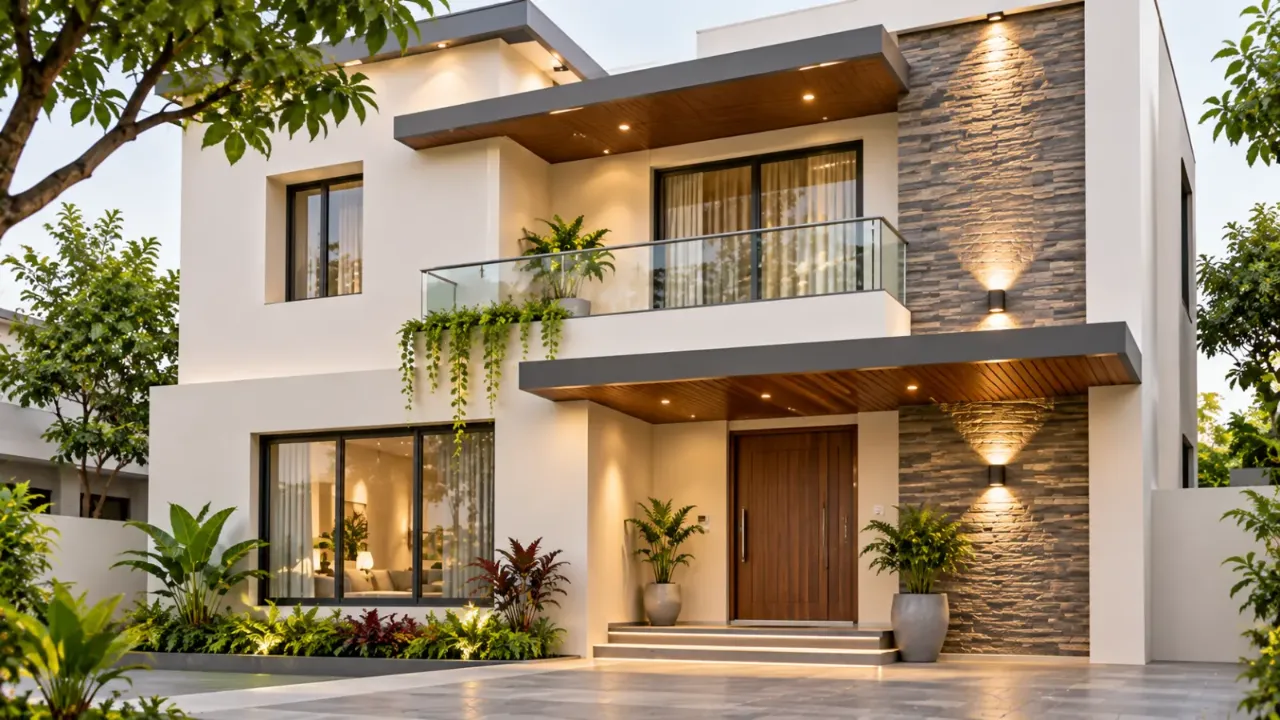
A Better-Looking Exterior, Without Overspending: Planning Your House Walls
The outside walls of a home do more than protect the structure. They shape its first impression, establish its architectural character and influence how well the building responds to its surroundings. A carefully planned exterior can make even a simple house look distinctive, but achieving that result does not always require expensive materials or elaborate detailing.
The challenge is knowing where to spend and where to simplify. Exterior paint, textured finishes, stone cladding, tiles and decorative panels all offer different visual effects and come with different installation and maintenance requirements.
Instead of selecting finishes based only on appearance, begin with the condition of the walls, the home's architectural style and the amount you are comfortable spending. Here is how to plan an outside house wall design that balances appearance, durability and budget.
1. Start With the Existing Exterior
Before choosing a design, look carefully at the walls that will receive the treatment. A new finish cannot compensate for unresolved dampness, cracks, poor plastering or water seepage.
Check:
- Whether the plaster is even and firmly bonded.
- Whether there are visible cracks or signs of moisture.
- Whether the surface has peeling paint or damaged patches.
- Whether rainwater drains away from the walls properly.
- Whether the proposed finish is suitable for the existing surface.
If repairs are needed, include them in the budget before comparing decorative finishes. Preparing the surface properly can help avoid premature damage and unnecessary rework.
2. Divide the Budget Before Choosing Materials
A common mistake is spending most of the available budget on decorative materials and leaving too little for preparation, labour and finishing.
A more practical approach is to divide the budget into clear categories:
- Surface repairs and preparation.
- Base plaster or levelling work, if required.
- Main exterior paint or finish.
- Feature-wall materials and installation.
- Protective treatments and waterproofing where appropriate.
- Scaffolding, labour, transport and other site expenses.
- A contingency for unexpected work.
Ask contractors to quote for the same scope so that the comparison is meaningful. A low quotation may exclude surface repairs, primer, scaffolding or finishing details that another contractor has included.
3. Understand the Main Exterior Wall Design Options
Different finishes suit different budgets and architectural styles. The best choice is not necessarily the most expensive one; it is the finish that achieves the intended look and performs appropriately in its location.
Exterior paint
Paint is one of the most flexible ways to refresh a house exterior. It offers a wide choice of colours and can be used across large wall areas without introducing too many materials.
It works well when the wall surface is in good condition and the objective is a clean, coordinated appearance.
Budget approach: Use a suitable exterior paint system for the main walls and reserve contrasting shades for selected architectural details.
Textured finishes
Exterior textures add depth without necessarily covering the entire wall in a different material. Depending on the product and application, they can create subtle grain, directional patterns or a more pronounced surface effect.
They are useful for entrance walls, recessed sections and selected elevation features.
Budget approach: Apply texture to one or two carefully chosen areas rather than every visible wall.
Stone cladding
Natural or manufactured stone finishes can create a strong architectural feature. They are often used around entrance zones, boundary walls, columns or selected sections of the facade.
The final cost depends on the material, thickness, pattern, surface preparation, installation method and labour.
Budget approach: Use stone selectively as an accent instead of covering large exterior surfaces.
Exterior tiles
Exterior-rated tiles offer patterned, stone-like or contemporary finishes. They can work on selected wall sections, provided the product and installation system are suitable for outdoor exposure.
Consider the tile's suitability, fixing method, joints, water exposure and future replacement requirements.
Budget approach: Limit decorative tiles to a defined feature area and choose a finish that coordinates with the rest of the elevation.
Decorative panels and other cladding
Suitable exterior panels can introduce clean lines, contrast and a more contemporary appearance. However, the material's outdoor performance, fixing system, weather resistance and maintenance requirements should be checked before selection.
Budget approach: Use panels as a focused design element, and compare the complete installed cost rather than the material price alone.
4. Spend on the Feature That Makes the Biggest Difference
Not every exterior wall needs to be a feature wall. A facade often looks more balanced when one area receives the main decorative treatment and the remaining surfaces provide visual breathing space.
Possible feature locations include:
- The entrance or main door surround.
- A prominent front-facing wall.
- A recessed balcony or porch section.
- A boundary wall near the gate.
- A column or architectural projection.
Choose the feature based on what is visible from the street and how it relates to the overall elevation. A small, well-positioned detail can have more impact than multiple competing finishes.
5. Choose Materials According to Exposure and Maintenance
An exterior finish has to deal with sunlight, rain, dust, humidity and pollution. The same material may perform differently depending on the location and installation quality.
Before approving a material, ask:
- Is it specifically suitable for exterior use?
- How does it respond to the local weather conditions?
- Does it require periodic sealing, repainting or cleaning?
- Can damaged sections be repaired or replaced easily?
- Does the installation method allow for appropriate movement and drainage?
- What warranty or product-care guidance is provided?
For example, a textured finish may create visual interest but can collect dust depending on its profile. A cladding system may look refined but require more careful installation and maintenance access.
Think beyond the initial appearance. The cost of keeping the wall in good condition is part of the overall budget.
6. Keep the Colour and Material Combination Controlled
A well-designed exterior does not need many colours or materials. Too many finishes can make the elevation look fragmented and may increase installation costs.
A simple approach is to select:
- One primary colour for the larger wall surfaces.
- One supporting shade for selected architectural elements.
- One accent material or finish for a focal area.
Neutral shades such as off-white, warm grey, beige and muted earth tones can create a restrained base. Darker accents or natural-looking materials can add definition when used selectively.
Check colour samples outdoors at different times of the day. Sunlight can change how a shade appears, and a small sample may look different when applied across a large wall.
7. Do Not Ignore the Boundary Wall
The boundary wall is an important part of the exterior, especially in homes where it is visible from the road. Its finish should relate to the main building rather than look like a separate design decision.
You can coordinate the boundary wall through:
- A similar main paint shade.
- A matching accent colour.
- A small repeated texture or cladding detail.
- Consistent pillar and coping finishes.
- Lighting that complements the entrance.
If the budget is limited, prioritise the visible entrance section and keep less prominent boundary areas simple. Make sure any decorative treatment does not interfere with drainage, gate movement or security.
8. Understand the Full Cost, Not Just the Material Price
A material's displayed price rarely represents the complete installed cost. Surface preparation, adhesive or fixing systems, labour, finishing, transport and access equipment can all change the final amount.
When requesting quotations, ask contractors to separate:
- Material quantity and unit rate.
- Labour and installation charges.
- Surface preparation and repairs.
- Primer, adhesive, grout or protective coating where applicable.
- Scaffolding and equipment.
- Waste, transport and handling.
- Taxes and any additional charges.
- Warranty and maintenance conditions.
Compare proposals based on the same wall area, material specification and scope of work. This helps you understand whether a cheaper option is genuinely better value or simply leaves important work out of the quotation.
9. Avoid These Budget and Design Mistakes
Some decisions can increase costs without improving the final result.
- Using expensive finishes everywhere: A feature treatment is often more effective when balanced with simpler surfaces.
- Choosing by appearance alone: Check exterior suitability, installation requirements and maintenance.
- Ignoring wall preparation: Decorative finishes cannot reliably hide structural or moisture-related problems.
- Mixing too many materials: Too many patterns, colours and textures can make the elevation feel disjointed.
- Selecting unsuitable products: Interior-only materials should not be used outdoors simply because they look attractive.
- Overlooking labour and installation: The final cost includes more than the material itself.
- Skipping sample checks: Large exterior surfaces can look very different from small catalogue samples.
- Leaving repairs until later: Unresolved cracks or dampness can affect the finish after installation.
A controlled design with good preparation and suitable materials is usually more effective than an expensive collection of unrelated finishes.
10. A Practical Checklist Before Finalising the Design
Before approving the exterior wall design, make sure you have considered:
- The condition of the existing wall.
- The overall architectural style of the house.
- The amount allocated for preparation and repairs.
- The main finish and any feature treatment.
- The suitability of each material for outdoor exposure.
- The colour relationship between walls, doors, windows and boundary areas.
- Installation and maintenance requirements.
- A detailed quotation with quantities and exclusions.
- A sample or mock-up of important finishes.
- A contingency for unexpected site work.
If you are unsure between two finishes, compare them on the same wall area and against the same budget. It is easier to make a practical decision when the scope is consistent.
Visualise your home's design direction
Use Design My Room to explore interior concepts and finishes, and the Whole Home Visualizer to coordinate design ideas across your home. These tools can support the overall design direction, while exterior material selection and installation should be checked with the relevant professionals.
Final Thought
A good outside design of house wall is not defined by how many expensive materials it uses. It is defined by how thoughtfully the finishes, colours and architectural details work together.
Start with the condition of the walls, decide where a feature will make the greatest difference and choose materials that suit both the climate and your maintenance expectations. Spend where the design benefits most, keep secondary surfaces simple and make sure the installation is properly planned.
The result can be an exterior that feels complete, considered and distinctive without stretching the budget unnecessarily.
Plan Your Interior Budget and Quotations
For the interior work that may be part of your wider home project, the Interior Design Cost Estimate can help with indicative interior budget planning. The Interior Quotation Checker can help review quotation scope, materials, charges and exclusions. These tools support interior planning and do not replace an exterior contractor's site assessment or material quotation.
Frequently Asked Questions
1. Which exterior wall design is suitable for a limited budget?
A suitable exterior paint system with one or two carefully planned feature areas can create a coordinated appearance. The final choice should depend on the wall condition, local exposure and maintenance requirements.
2. Is stone cladding necessary for a modern house exterior?
No. Stone cladding is an optional decorative treatment. It can be used selectively around an entrance or on a feature wall, while painted surfaces can complete the rest of the facade.
3. Are textured exterior walls difficult to maintain?
Maintenance depends on the texture profile, product and exposure. Deep or highly detailed textures may collect more dust than smoother finishes, so ask for product-specific cleaning guidance before choosing.
4. Can exterior tiles be used on house walls?
Yes, provided the tiles are suitable for exterior use and installed with an appropriate fixing system. The substrate, water exposure, joints and installation quality should be checked.
5. How can I reduce the cost of exterior wall design?
Keep the main wall treatment simple, use decorative materials selectively, compare itemised quotations and avoid unnecessary design changes during execution. Do not cut costs on essential surface preparation or appropriate installation.
Get a personalised estimate for your home
Choose your rooms, materials and preferences to understand a practical interior budget before you commit.