
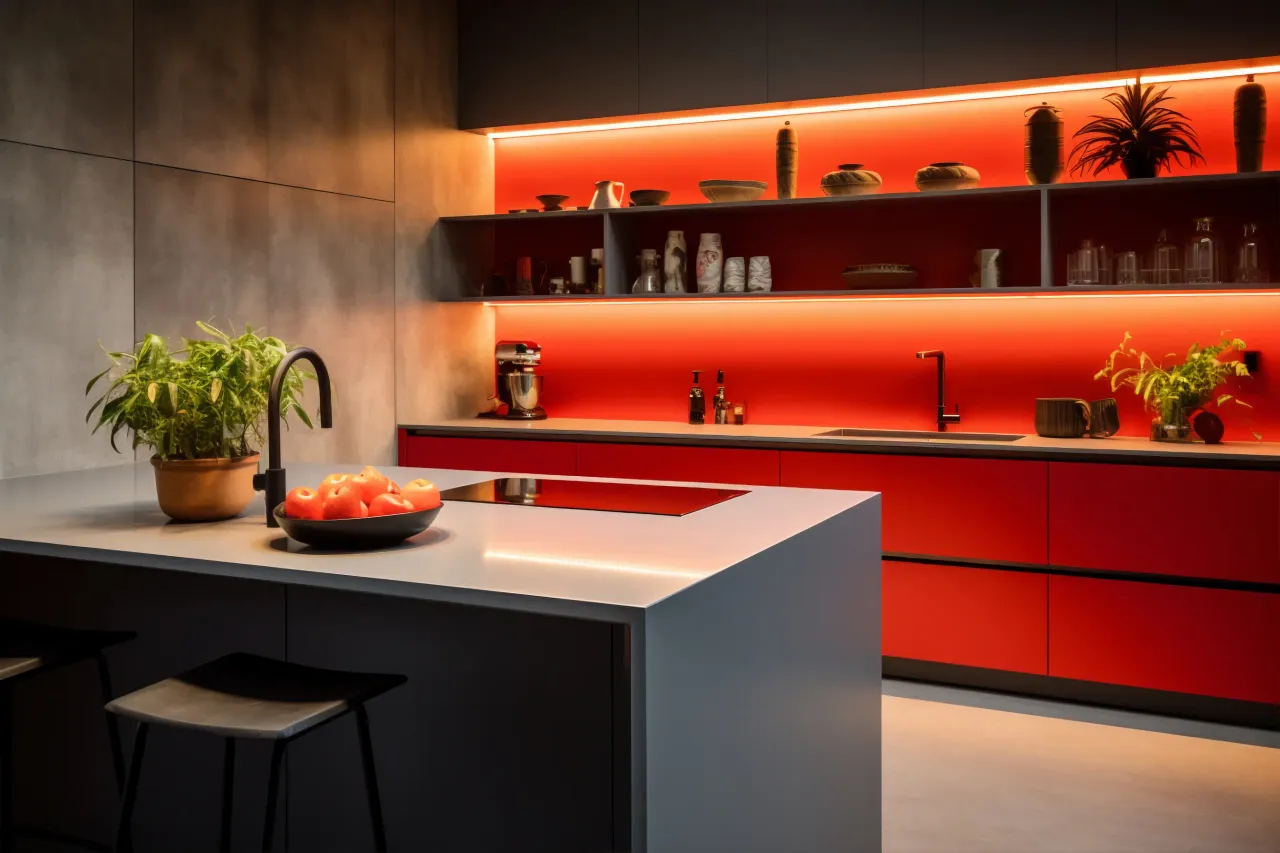
5 Kitchen Features to Test Before Ordering Modular Cabinets
Choose kitchen features by testing how they support cooking, cleaning and storage. Before ordering modular cabinets, try the handles, inspect a finish sample, map daily utensils, operate the cabinet hardware and check the exact appliance requirements. A showroom appearance or trend label does not establish that a feature will suit your kitchen.
1. Try handles with real tasks in mind
Open a sample shutter and drawer with the grip you normally use. Consider anyone with limited hand strength and whether a projecting handle could catch clothing in a narrow route. Check the maker’s care instructions and ask how a damaged handle can be replaced.
For handleless designs, ask to see the actual opening system rather than relying on a rendering. Check finger access, cleaning around profiles and the effect on internal storage. A different handle can change both the look and daily use of the same cabinet.
2. Inspect the finish before committing
View a physical sample beside your floor, counter and backsplash choices under the intended lighting. Ask for the exact finish name, substrate specification, edge treatment and cleaning instructions in writing. Gloss and matte describe appearance; they do not independently establish resistance to scratches, stains or moisture.
Ask the supplier which demonstrations are appropriate for the sample. Avoid improvised heat, solvent or abrasion tests that may damage it or give misleading results. Record the approved sample and product code so the supplied work can be checked against it.
3. Map what you actually store
List everyday pots, plates, containers, appliances and groceries. Measure the largest frequently used items and assign accessible locations. Put everyday items within convenient reach for the people who use them; reserve less convenient storage for occasional items.
Separate a practical storage need from an attractive accessory. A corner mechanism may help one layout and consume valuable space in another. Ask for usable internal dimensions and try loading the display unit with comparable items if the retailer permits.
4. Operate drawers and doors
Request a drawing showing shutter swings, drawer extension and conflicts near corners, walls or handles. Open adjacent units in the proposed sequence. Check whether a dishwasher door or refrigerator blocks access to another essential area.
Ask about the hardware make, model, load guidance, warranty terms and replacement availability. Soft closing is a feature, not a complete description of hardware quality. Confirm which adjustments and service visits are included after installation.
5. Match exact appliance instructions
Choose or shortlist appliances before final cabinet approval. Share their current installation manuals with the designer and installer. Appliance cut-outs, ventilation, services and access requirements vary by model; a generic appliance icon on a drawing is insufficient.
For example, Bosch’s dishwasher installation guidance directs users to the relevant instructions. Confirm responsibility for plumbing, electrical work and final connections rather than assuming the cabinet supplier includes every trade.
Before paying the fabrication advance
Request a coordinated plan, elevations, cabinet schedule, hardware list, approved finish references and a written list of exclusions. Make sure dimensions have been checked on site. Record appliance decisions and any unresolved service changes before releasing the final drawing.
Use WallsToWonder interior cost estimator to organise an initial scope, then obtain a measured quotation. Budget separately for appliances, service alterations, delivery and any temporary cooking arrangement. Ask the supplier for a programme tied to measurement, approval, procurement and installation milestones; do not assume a universal number of days.
Frequently asked questions
Are matte cabinets easier to maintain?
That depends on the specific finish and care instructions. Compare actual samples and manufacturer guidance.
Does every kitchen need corner hardware?
No. Compare usable storage, access, price and service needs against the alternatives for your layout.
When should appliances be selected?
Before final cabinet drawings are approved, so the exact model’s installation requirements can be coordinated.
Turn this idea into a plan for your home
Visualise your space, understand the likely budget, or find a professional who can bring the idea to life.