
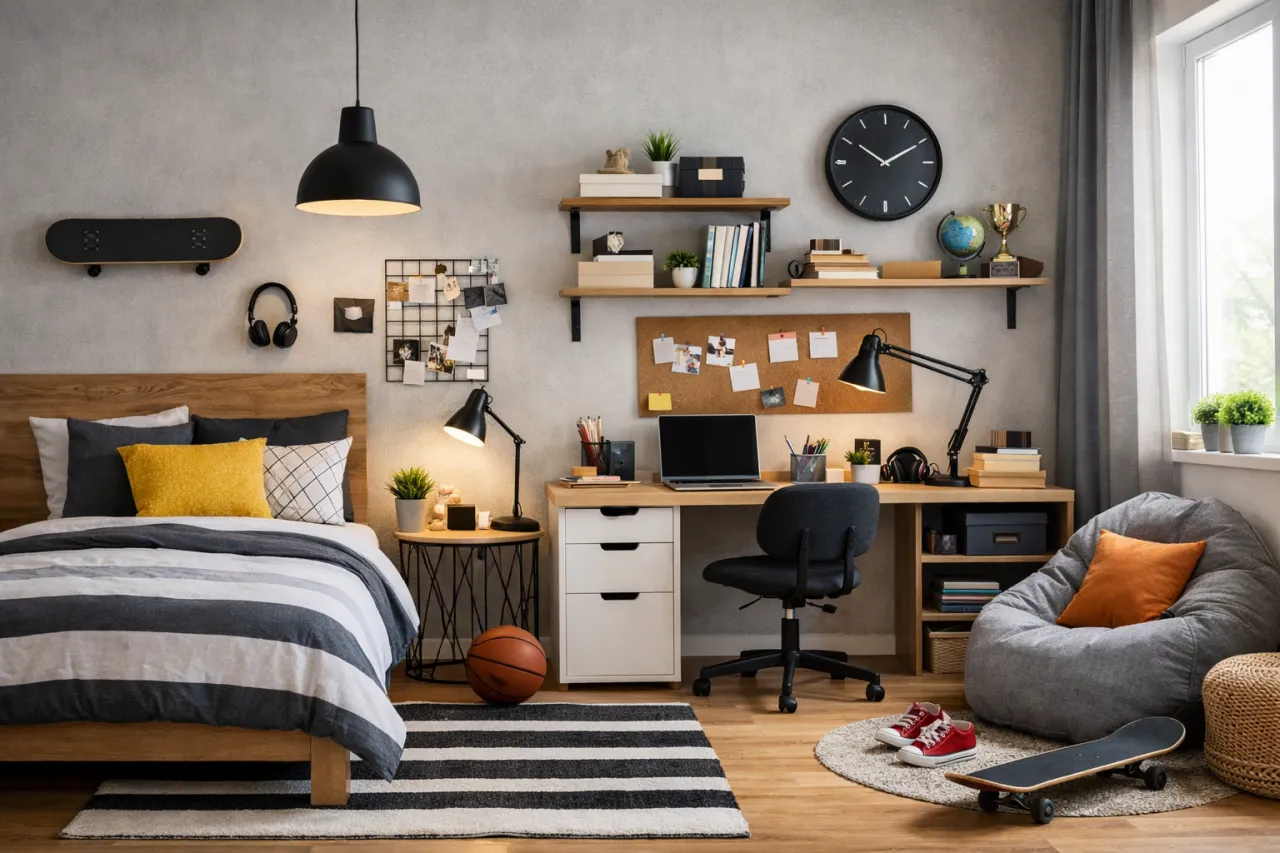
Designing a Room for a Teenager: Smart, Stylish, and Functional Ideas
Designing a Room for a Teenager: Smart, Stylish, and Functional Ideas
Designing a room for a teenager can be both exciting and challenging. At this stage of life, their room becomes much more than just a bedroom. It is a place to study, relax, express their personality, pursue hobbies, and sometimes even hang out with friends. That is why a teenager’s room should be designed with a thoughtful balance of comfort, style, flexibility, and function.
Unlike a child’s room, a teen room needs to feel more mature and personal. At the same time, it should still be practical enough to support daily routines like studying, organizing belongings, and getting enough rest. The ideal teenager’s room is one that reflects who they are today while still being adaptable for the years ahead.
Understand the Teenager’s Lifestyle First
Before choosing colors, furniture, or decor, it is important to understand how the room will be used. Every teenager has different needs. Some may need a quiet study setup for school, while others may need extra space for art, music, reading, gaming, or sports-related storage.
The room design should reflect their routine and interests. A teenager who spends a lot of time studying may need a strong focus on desk space and lighting. Someone creative may need display shelves, pinboards, or open wall areas for inspiration. A teen who enjoys hosting friends may prefer a cozy seating corner or a more open layout.
Listening to their preferences is one of the most important parts of the design process. When teenagers feel involved in shaping their room, the final result feels more meaningful and more personal.
Choose a Color Scheme That Feels Fresh and Flexible
Color sets the mood for the entire room. Teenagers often want a room that feels more grown-up than a bright children’s bedroom, but still has energy and character. Neutral tones such as white, beige, light grey, or soft taupe work very well as a base because they make the room feel calm and timeless.
You can then add personality through accent colors like navy blue, sage green, blush pink, mustard, terracotta, or muted lavender. These shades can appear in the bedding, chair upholstery, wall art, curtains, rugs, or one feature wall.
A flexible color palette is always a smart idea because tastes change quickly during the teenage years. Instead of using very bold permanent finishes everywhere, keep the foundation simple and let the style come through accessories and decor that can be updated easily.
Create Clear Zones for Different Activities
A well-designed teenager’s room works best when it is divided into simple functional zones. Even in a compact room, it helps to think in terms of areas for sleeping, studying, storage, and relaxing.
The bed area should feel restful and uncluttered. The study area should be placed in a spot with good light and minimal distractions. The storage area should be easy to access and designed for everyday use. If space allows, a small corner for lounging, reading, or hobbies can make the room feel more complete.
This zoning makes the room more organized and more useful. It also helps teenagers manage their daily routine better because each part of the room supports a specific activity.
Make the Study Area Practical and Comfortable
One of the most important elements in a teenager’s room is the study area. A comfortable and functional study setup can make a big difference in focus and productivity. The desk should be large enough for books, a laptop, and stationery without feeling crowded. The chair should provide proper support, especially if they spend long hours studying.
Natural light is ideal, so placing the desk near a window is a good option where possible. Add a table lamp or wall light for evening use. Open shelves, drawers, or pegboards above the desk can help keep school supplies organized without taking up too much floor space.
A clean and inspiring study corner encourages better concentration while still fitting beautifully into the overall room design.
Plan Smart Storage to Reduce Clutter
Teenagers usually have a growing collection of clothes, books, gadgets, bags, shoes, accessories, and hobby-related items. Without proper storage, even a stylish room can quickly look messy.
A good room design includes a mix of closed and open storage. Wardrobes, drawers, under-bed storage, and bedside units help hide daily clutter. Open shelves can be used for books, decor, trophies, or display items. A storage bench, ottoman, or wall hooks can also add function without taking up much space.
The key is to create storage that feels easy to use. When everything has a place, it becomes much simpler to keep the room neat and comfortable.
Choose Furniture That Can Grow with Them
Teenagers’ preferences change quickly, so it makes sense to choose furniture that can stay relevant for years. Instead of very child-like designs, go for clean-lined furniture in timeless finishes. A simple bed, a versatile wardrobe, and a neutral desk design will continue to work even as tastes evolve.
Multifunctional furniture is especially helpful in smaller rooms. Beds with storage, foldable desks, wall-mounted shelves, and compact seating can make the room more flexible and spacious.
The goal is to create a room that feels current without needing a complete redesign in just a couple of years.
Add Personality Through Decor and Styling
A teenager’s room should feel like their own space. This is where decor plays an important role. Wall art, posters, photographs, cushions, throws, rugs, and pinboards can all help reflect their interests and identity.
Some teenagers may like a minimal and modern room, while others may prefer a cozy, colorful, or creative vibe. The styling should feel personal but not overcrowded. A few carefully chosen elements often work better than too many decorative pieces.
You can also add interest through textured bedding, layered lighting, statement headboards, patterned wallpaper, or a feature wall in a muted tone. These details help the room feel polished without losing its youthful energy.
Focus on Good Lighting
Lighting is often overlooked, but it has a huge impact on how a room feels and functions. A teenager’s room needs more than just one ceiling light. Layered lighting works best, combining general lighting with focused task lighting and softer ambient lighting.
A desk lamp helps during study time. Bedside lighting is useful for reading. Warm ambient lighting, such as a floor lamp or subtle decorative lights, can make the room feel cozy and relaxing in the evening.
Good lighting supports both mood and practicality, which is especially important in a space used for multiple purposes.
Keep the Design Flexible for the Future
Teenagers grow quickly, and their room should be able to adapt with them. A flexible design makes it easier to update the room over time without starting from scratch. Neutral furniture, practical layouts, and removable decor elements make future changes much easier.
For example, wall art, bedding, curtains, and accessories can be replaced as preferences change. A simple furniture base allows the room to shift from a school-focused setup to something more mature over time.
Designing with flexibility in mind saves cost in the long run and ensures the room stays useful and stylish for years.
Final Thoughts
Designing a room for a teenager is about much more than choosing trendy colors or furniture. It is about creating a space that supports their lifestyle, reflects their personality, and gives them comfort in their everyday routine. The best teen rooms feel balanced — stylish enough to feel special, practical enough to stay organized, and flexible enough to evolve with time.
With the right planning, a teenager’s room can become a place where they feel comfortable, inspired, and truly at home. Whether the room is compact or spacious, thoughtful design choices can make it both beautiful and highly functional.
Frequently Asked Questions
1. What should a teenager’s room include?
A teenager’s room should ideally include a comfortable bed, a practical study area, smart storage, proper lighting, and decor that reflects their personality.
2. Which colors are best for a teenager’s room?
Neutral base shades with accent colors work best. Options like white, grey, beige, navy, sage green, blush, and muted earthy tones are popular choices.
3. How do you make a small teenager’s room look bigger?
Use light colors, multifunctional furniture, wall-mounted storage, mirrors, and a clutter-free layout to make the room feel more spacious.
4. How can I design a teenager’s room that will last longer?
Choose timeless furniture, flexible layouts, and decor elements that can be updated easily as the teenager’s taste changes.
5. Why is storage important in a teenager’s room?
Teenagers usually have many belongings, including clothes, books, gadgets, and hobby items. Good storage helps keep the room organized and practical.
Turn this idea into a plan for your home
Visualise your space, understand the likely budget, or find a professional who can bring the idea to life.