
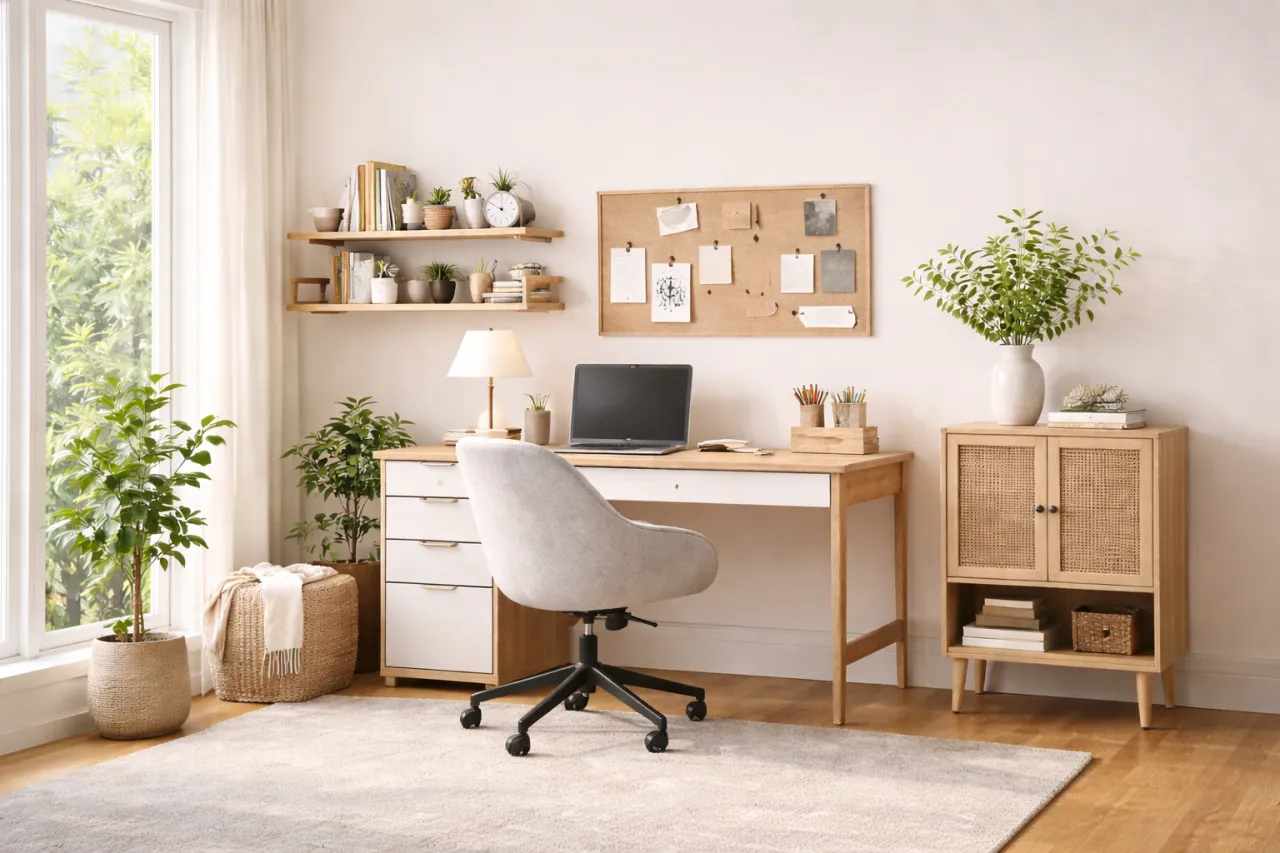
Designing a Compact and Functional Work-from-Home Space
Working from home has changed the way many people use their homes. A corner of the bedroom, part of the living room, a study nook, or even a small unused wall can suddenly become an everyday workspace. But creating a productive work-from-home setup is not just about placing a table and chair somewhere convenient. The space needs to support focus, comfort, storage, and routine without taking over the entire home.
A well-designed compact home office can make a big difference in how smoothly the day feels. It can reduce distractions, improve posture, keep essentials organized, and help create a clearer boundary between work and personal life. Even in a small apartment or shared home, a thoughtful setup can feel efficient, comfortable, and visually clean.
This guide explains how to design a compact and functional work-from-home space that fits modern living without wasting space.
Start by Choosing the Right Spot
The first step is not furniture. It is location. A small workspace will only work well if it is placed where daily use feels practical.
The best work-from-home corner is usually one that offers:
- as much natural light as possible
- minimal foot traffic
- enough wall or floor space for a desk
- access to power points
- a quieter environment during working hours
Not every home has a separate study room, and that is perfectly fine. A functional workspace can be created in:
- a bedroom corner
- part of the living room
- a dining nook
- a passage alcove
- a window-side ledge
- unused wall space under a staircase
- a wardrobe niche or built-in unit
The goal is to choose a place that feels stable and usable every day, not just temporarily convenient.
Understand What You Actually Need
Before designing the space, think about how you work.
Ask yourself:
- Do you use a laptop only, or a desktop setup too?
- Do you take frequent calls or video meetings?
- Do you need storage for files, stationery, or devices?
- Do you write by hand often?
- Do you need a second screen?
- Will this space be used full-time or only occasionally?
A compact workspace works best when it is based on real needs. A person who mainly uses a laptop may need a simple desk and good lighting, while someone working full-time may need storage, ergonomic seating, and stronger zoning.
Pick a Desk That Fits the Space
In a compact home office, the desk should suit the room instead of overpowering it.
A good desk should be:
- large enough for your daily tasks
- small enough to keep movement comfortable
- stable and durable
- easy to clean
- visually proportionate to the room
Some space-saving desk options include:
- slim writing desks
- wall-mounted desks
- foldable desks
- floating worktops
- corner desks
- built-in study ledges
In smaller homes, a simple desk with clean lines often works better than a bulky office table. The focus should be on function, not heaviness.
Never Compromise on the Chair
A compact workspace can be small, but the chair still matters a lot. If you work for long hours, an uncomfortable chair can quickly lead to back strain, poor posture, and fatigue.
A good work-from-home chair should provide:
- proper back support
- comfortable seat height
- enough cushioning
- stable arm support if needed
- a posture-friendly sitting position
If a full office chair feels too bulky for the room, choose a compact ergonomic chair or a well-designed dining-style chair with added support. But avoid using a casual stool or soft lounge chair for regular work hours.
Comfort is one of the most important parts of functionality.
Use Vertical Space for Storage
In small work-from-home setups, the floor area is limited, so wall space becomes very valuable. Vertical storage helps keep the desk clean without taking up too much room.
Useful storage ideas include:
- floating shelves
- wall-mounted organizers
- pegboards
- pinboards
- overhead cabinets
- slim drawer units
- small mobile pedestals under the desk
The best compact workspace is usually the one where the desk stays as uncluttered as possible. When the essentials have a place, the room feels calmer and easier to use.
Keep the Work Surface Clean and Focused
A compact workspace becomes stressful very quickly if too many things are left on the desk. Try to keep only the essentials visible.
This may include:
- laptop or monitor
- notebook
- lamp
- pen holder
- water bottle
- one or two daily-use items
Everything else should be stored nearby but not left scattered across the surface. A clear desk makes a small workspace feel more open and more professional.
Pay Attention to Lighting
Lighting affects both comfort and productivity. Even the best desk setup can feel tiring if the light is poor.
A good work-from-home setup should ideally have:
- natural daylight during the day
- a task light for evening work
- balanced ambient lighting in the room
If possible, place the desk near a window, but avoid strong glare directly on the screen. A table lamp or wall-mounted task light is helpful for focused work, especially in the evening or in darker corners.
Warm lighting may feel cozy, but neutral or balanced task lighting is usually better for work.
Create Visual Separation from the Rest of the Home
One of the biggest challenges of working from home is that the work area can blend too much into the rest of life. Even in a small space, it helps to create a visual boundary.
This can be done using:
- a rug under the desk
- a different wall color or wallpaper panel
- a bookshelf divider
- a curtain partition
- a screen or slatted divider
- a distinct lighting style
- a built-in niche or paneling behind the desk
These details help the workspace feel intentional. They also improve the room visually, especially when the work corner is part of a bedroom or living room.
Choose Calm and Productive Colors
Color affects how a workspace feels. In compact home offices, soft and balanced shades usually work better than loud ones.
Good color options include:
- off-white
- beige
- soft grey
- muted green
- warm taupe
- light wood tones
- dusty blue accents
These tones help the space feel clean, calm, and less visually crowded. Strong colors can still be used in small accents, but the overall workspace should support focus rather than overstimulation.
Make the Background Video-Call Friendly
For many people, work-from-home design now includes how the space looks on video. A neat and professional background can make meetings feel more polished.
A good video-call background may include:
- a simple wall
- an organized shelf
- subtle artwork
- soft lighting
- a plant
- a neutral color palette
Avoid messy shelves, exposed laundry, or visually distracting backgrounds where possible. Even a small corner can look polished with a little styling.
Add Small Personal Touches Carefully
A workspace should not feel cold or overly corporate. Personal touches can make it more pleasant to use. But in a small setup, styling should stay controlled.
Good additions include:
- one plant
- one framed print
- a small mood board
- a textured desk mat
- a candle or diffuser
- a neat organizer
- a meaningful object or book
The aim is to make the space feel welcoming without turning it into clutter.
Think About Cable Management
Cables can quickly make a compact workspace feel messy. Try to plan the setup so wires stay controlled and mostly hidden.
Simple cable management ideas include:
- cable clips
- under-desk trays
- sleeve covers
- desk grommets
- wireless accessories where possible
A small workspace looks much better when cables do not dominate the visual space.
Compact Work-from-Home Ideas for Different Homes
For a Bedroom
Use a slim desk, soft neutral finishes, vertical shelves, and a chair that can tuck in neatly. Try to keep work visually contained so the bedroom still feels restful.
For a Living Room
Choose furniture that blends with the room, such as a console-style desk or built-in work corner. Use styling and lighting to make the workspace feel integrated.
For a Small Apartment
Go for multifunctional pieces like foldable desks, floating worktops, and wall storage. Every item should earn its place.
For Shared Homes
Use partitions, corner setups, or quieter niche areas. Noise control and a clear routine become especially important here.
Common Mistakes to Avoid
Some common issues make small workspaces less effective:
- choosing a desk that is too large
- using an uncomfortable chair
- ignoring lighting
- allowing too much clutter on the desk
- not planning storage
- selecting a noisy or high-traffic location
- creating no visual distinction between work and home life
A compact setup needs careful planning because every detail matters more in a small area.
Final Thoughts
Designing a compact and functional work-from-home space is about using limited space with more intention. The best setup is not the one with the most furniture or the biggest desk. It is the one that supports your routine, feels comfortable to work in, and fits naturally into your home.
With the right location, a practical desk, supportive seating, good lighting, vertical storage, and a calm visual setup, even a small corner can become a highly effective workspace. A compact home office does not need to feel temporary or compromised. When designed thoughtfully, it can feel efficient, comfortable, and surprisingly complete.
Turn this idea into a plan for your home
Visualise your space, understand the likely budget, or find a professional who can bring the idea to life.